
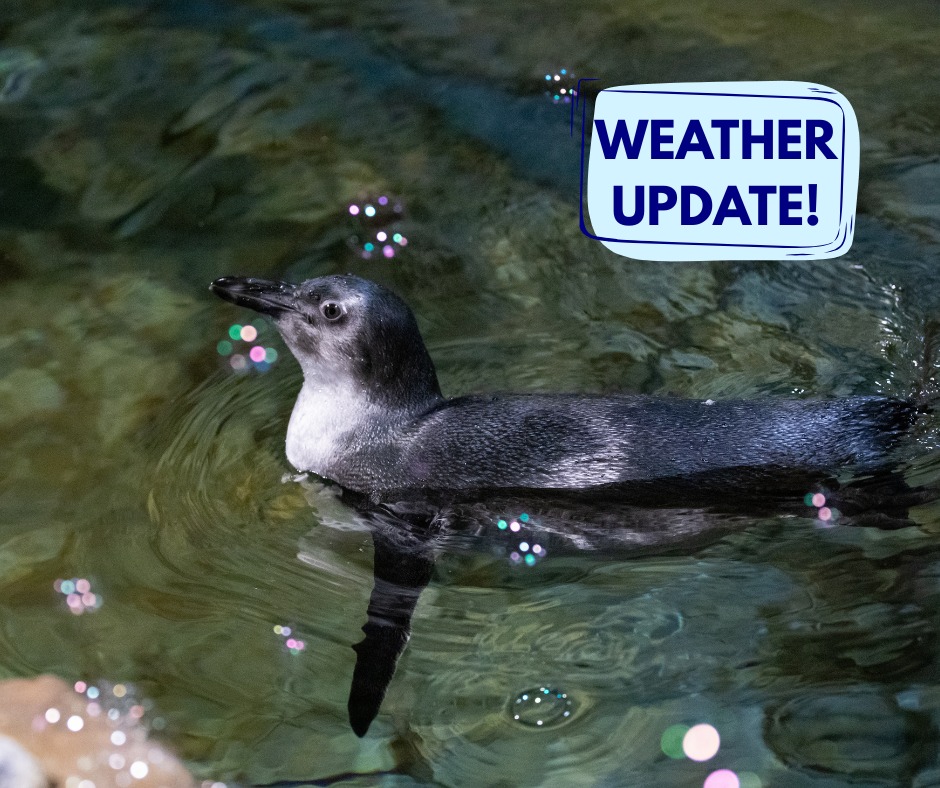
- Georgia Aquarium’s response to weather conditions and its impact on operations.
- The significance of penguins in biological research and public education.
- Understanding winter storms and their effects on marine life and human activities.
- Ticket policies and options for guests affected by weather changes.
- Wildlife conservation efforts and the importance of facilities like Georgia Aquarium.
Georgia Aquarium recently announced a weather-related update concerning its operations. Due to a winter storm expected to affect the Atlanta area, the aquarium will close early at 5 p.m. on Saturday, January 24, and remain closed on Sunday, January 25. It is set to reopen on Monday, January 26, at 12 p.m., allowing guests to experience all that the facility has to offer while ensuring the safety of both visitors and animals during inclement weather.
When severe weather strikes, such as a winter storm, institutions like Georgia Aquarium must act quickly to safeguard not only staff and visitors but also the animals housed within. Penguins, a featured attraction at the aquarium, provide an opportunity to illustrate the delicate balance between wildlife and environmental factors. Penguins thrive in cold environments but are also sensitive to temperature changes. The welfare of such animals during storms is paramount, prompting necessary precautions in care and maintenance.
Penguins play a significant role in biological research and public education regarding marine ecosystems. As flightless birds primarily found in the Southern Hemisphere, they are fascinating subjects for study. Their behavior, social structures, and adaptive techniques to survive harsh climates draw attention from researchers and educators alike. At Georgia Aquarium, the presence of penguins enriches visitor experiences by providing insights into their habitats and environmental challenges they face.
Understanding winter storms is essential for both comprehensive education and preparedness. These storms can bring hazardous conditions, including heavy snowfall, ice, and strong winds. Such weather impacts not only outdoor activities but also indoor facilities like the aquarium. The rapid changes in temperature require significant adjustments. This includes ensuring that all systems designed to maintain animal habitats remain operational without interruption.
For guests who currently hold admission tickets for the affected dates, Georgia Aquarium has implemented a flexible ticket policy. Tickets purchased for visits from January 24 to January 26, 2023, can be used any day through the end of 2026. This approach alleviates concerns over missed opportunities to engage with the aquarium’s exhibits and allows families to plan their visit without added stress. Guests with ticketing inquiries can contact the aquarium’s Call Center or email the hospitality team directly for assistance.
Facilities like Georgia Aquarium contribute significantly to wildlife conservation. They engage in research, offer educational programs, and promote awareness about the protection of marine ecosystems. Initiatives often include participation in breeding programs for endangered species, habitat restoration projects, and community outreach programs. By visiting institutions such as the aquarium, visitors not only gain knowledge but also support efforts aimed at sustaining biodiversity and ensuring the survival of various species.
Moreover, the interplay between severe weather events and marine life offers an important point of reflection. Climate change has led to more extreme weather patterns, which can threaten the habitats of various species, including penguins. The Southern Ocean, where many penguins make their homes, is experiencing shifts in temperature and ice cover, impacting food availability and breeding cycles. It is crucial for organizations like the Georgia Aquarium to champion conservation efforts toward climate adaptation.
Training and preparedness for severe weather are core components of operational protocols at institutions dedicated to wildlife. Staff undergo regular drill exercises to simulate various emergency situations, ensuring they are equipped to handle potential crises effectively. During storms, comprehensive checks of all animal habitats are conducted to guarantee that the environment remains stable. Backup systems for temperature control and oxygen levels are crucial for maintaining healthy habitats for marine species.
The educational aspect of the aquarium operations extends beyond its walls. Community programs often include workshops focused on environmental stewardship and wildlife conservation. Topics such as sustainable practices and ecosystem health are vital for fostering a sense of responsibility among visitors. These programs empower individuals with knowledge, encouraging them to advocate for the welfare of marine environments.
It is also important to spotlight how guests can actively contribute to conservation efforts. Simple actions can play a significant role in protecting marine life. Reducing plastic use, supporting sustainable seafood sources, and participating in beach clean-ups are practical steps individuals can take. Institutions like Georgia Aquarium serve as valuable resources, providing guidance on how everyone can make an impact.
Educational programs generally feature interactive exhibits allowing guests to learn firsthand about marine life and conservation challenges. One aspect that stands out is the engagement volunteers provide through guided tours and presentations. These volunteers often share personal experiences and facts, making the observation of animals engaging and informative.
As Georgia Aquarium navigates the impacts of a winter storm, it continues to uphold a commitment to animal welfare and visitor experience. Requests for flexible ticketing underlines an understanding of the varied circumstances faced by guests. This flexibility also fosters a relationship of trust, portraying the aquarium as a considerate institution.
By focusing on marine life and conservation challenges, venues like Georgia Aquarium not only entertain but educate guests. The structure of programs actively engages the community and raises awareness about the delicate nature of marine ecosystems and the actions individuals can take.
The role of penguins in educational outreach efforts cannot be overlooked. Through interactive experiences like feeding sessions and informative talks, guests gain appreciation for these birds and their habitats. Such interactions foster a deeper understanding of the ecological roles played by various marine species.
Additionally, Georgia Aquarium emphasizes the importance of research in bolstering wildlife conservation. Collaborations with universities and environmental organizations help illuminate pressing issues, such as climate change, habitat loss, and pollution. Studies conducted at aquariums often yield crucial data that informs broader conservation strategies.
The educational initiatives are also designed to inspire the next generation of environmental stewards. By targeting school groups and offering specialized programs, the aquarium attracts young minds eager to understand and protect marine life. Children are encouraged to participate in hands-on activities that ramp up their interest in biology and conservation.
In light of recent weather events, it becomes clear that citizen science plays a role in comprehending environmental changes. Organizations often provide opportunities for guests to engage in data collection that contributes to ongoing research. This hands-on experience solidifies understanding and instills a sense of ownership regarding environmental issues faced globally.
On a broader scale, facilities like Georgia Aquarium engage in advocacy to promote better environmental policies. By collaborating with policymakers and NGOs, they work to influence regulations that protect marine habitats and species. These joint efforts are essential for the health of ecosystems and contribute to the overall welfare of biodiversity.
Penalties for environmental harm, awareness of sustainable practices, and habitat preservation are areas that institutions like Georgia Aquarium emphasize in their outreach. The combination of research, education, and advocacy helps create a multifaceted approach to conservation.
As we consider the repercussions of extreme weather events, it becomes evident that understanding the interconnectedness of species and environments is essential for effective conservation. Present and future challenges require informed responses, making the role of aquariums more critical than ever. Educational resources via zoos and aquariums serve as pivotal tools for empowering local communities to take action on environmental issues.
The immediate response by Georgia Aquarium to the approaching winter storm underscores an ongoing dedication not only to animal welfare but also to public safety. By reinforcing the importance of adaptation in facility operations, the aquarium ensures that both its inhabitants and visitors remain safe and educated about their environment.
By focusing on these key issues, visitors are invited to reflect on their individual responsibilities to marine ecosystems while supporting institutions that champion wildlife conservation. The ongoing relationship between humans and wildlife, especially in light of external challenges, is a topic that continues to seek attention and solutions.
*****
Source Description
🎙️Our penguins are here to give you an important weather update. 🐧Georgia Aquarium will be closing EARLY at 5 p.m. on Saturday, 1/24 and CLOSED on Sunday, 1/25 due to the winter storm. We will be ready to welcome guests with a delayed opening at 12 p.m. on Monday, January 26!
Guests with admission tickets for Saturday (1/24) through Monday (1/26) who are unable to visit can use their tickets for any day through the end of 2026. Guests do not need to contact us to reschedule; tickets will automatically be honored. Guests needing further ticket assistance can call our Call Center at 404-581-4000 or email hospitality@georgiaaquarium.org
