
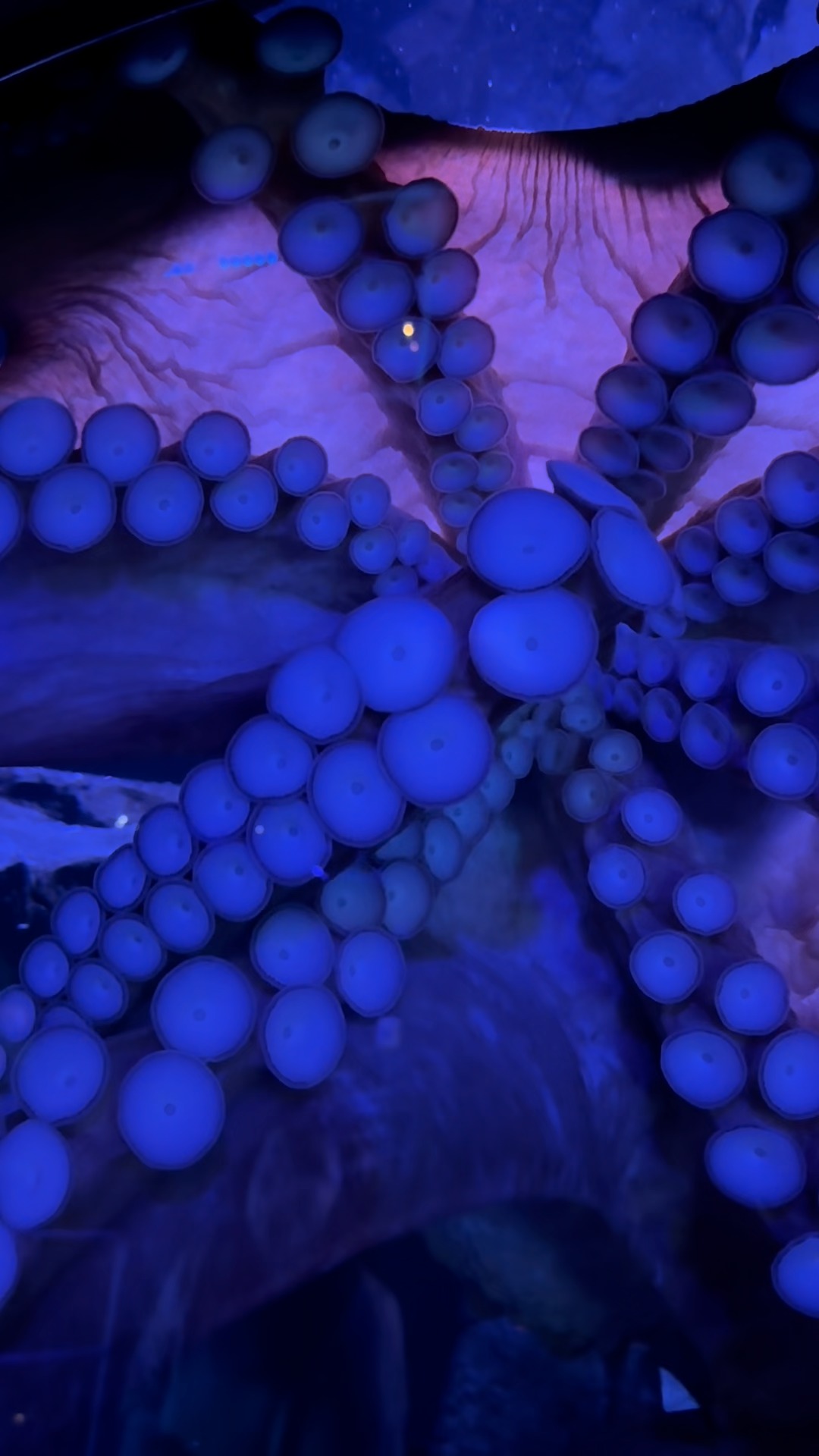
- The anatomy of the Giant Pacific octopus and its adaptations.
- Behavioral traits and intelligence of Malcolm.
- The ecological role of Giant Pacific octopuses in marine ecosystems.
- Conservation efforts and the importance of protecting their habitat.
- Tips for observing Malcolm in captivity and understanding his needs.
The Giant Pacific octopus, specifically exemplified by Malcolm, showcases a fascinating blend of evolutionary adaptations, behaviors, and ecological significance. Understanding these aspects provides insights not only into the life of Malcolm but also into the broader world of marine biology.
The anatomy of the Giant Pacific octopus is particularly remarkable. With eight arms that are pivotal for locomotion and manipulation, Malcolm possesses a design finely tuned for life in the ocean. Each arm is lined with over 280 suction cups, which function effectively as both sensory organs and tools for grasping. These suction cups can exhibit substantial force. On average, each cup can hold up to 30 pounds of pressure. This extensive support allows Malcolm to capture prey effectively, navigate his surroundings, and explore complex environments.
At the center of his arms lies Malcolm’s beak, the only rigid part of his otherwise soft body. This beak is notably designed to break through the shells of crabs and other hard-shelled prey. It serves as an important adaptation that enables Malcolm to access a diverse diet, thereby underscoring his role as a flexible predator.
Behaviorally, the Giant Pacific octopus exhibits remarkable traits that set it apart from other marine life. Highly intelligent creatures, they are capable of problem-solving and showcasing complex hunting strategies. Malcolm is particularly known for his playful demeanor and ability to interact with his environment. He has been observed stacking boxes to reach food, displaying cognitive abilities not unlike those seen in certain mammals. This intelligence is perhaps one of the most captivating aspects of observing Malcolm in a controlled environment.
Moreover, Malcolm’s responses to stimuli reveal his sophisticated nervous system and sensory capabilities. He can change color and texture, thanks to specialized skin cells called chromatophores. This ability enables him to communicate with other octopuses and camouflage himself against predators or prey. Such traits highlight not only his adaptability but also his role in the intricate web of marine life.
The ecological role of the Giant Pacific octopus is also significant. As a predator, Malcolm helps maintain the balance of marine ecosystems by controlling the population of various prey species, such as crabs, shrimp, and fish. This predatory behavior naturally impacts the dynamics of oceanic food webs. Furthermore, as Malcolm consumes prey, he serves as a source of energy for larger marine animals, acting as both predator and prey within this ecosystem.
Conservation of Giant Pacific octopuses and their habitats is critical. They are vulnerable to threats such as habitat destruction, climate change, and overfishing. Protecting the ecosystems where they reside ensures their survival. The Pacific Northwest, where Malcolm is often found, has seen significant changes due to industrial activities and pollution. Active conservation efforts and habitat restoration projects aim to mitigate these impacts.
Organizations engaged in marine conservation are working tirelessly to raise awareness about the importance of these creatures and their environments. By promoting sustainable fishing practices and protecting critical habitats, we can safeguard the future of species like Malcolm.
For those wishing to observe Malcolm and other Giant Pacific octopuses, it is vital to recognize some tips to appreciate these remarkable animals fully. Firstly, visiting accredited aquariums or marine research facilities provides an opportunity to observe Malcolm in a habitat that replicates his natural environment. Observers should remain respectful of his space and behaviors.
Understanding the daily routine of Malcolm enhances the experience. Octopuses are typically more active during specific hours. Notably, they often best display their intriguing hunting techniques during feeding times. Therefore, planning visits around these schedules can lead to engaging encounters and educational moments.
In addition to observing, learning about the dietary needs and behaviors of Malcolm can deepen appreciation for these creatures. Giant Pacific octopuses require a varied diet that can include fish, crustaceans, and mollusks. Knowledge of this dietary variety underscores the importance of responsible sourcing of seafood, as many potential prey items are threatened by overfishing.
Malcolm’s story is more than just an intimate look at a single octopus. It is a window into the vast world of marine preservation and education. The interactions that aquariums facilitate between the public and marine creatures like Malcolm foster greater understanding of our oceans’ fragility and importance.
Through dedicated wildlife conservation, education about marine habitats, and respectful observation practices, we can further appreciate the beauty and complexity of the Giant Pacific octopus. Observing Malcolm in Zone D not only captivates audiences; it also ignites discussions about the broader implications for ecological health and biodiversity.
Malcolm symbolizes a connection between humans and the intricate web of marine life. His remarkable capabilities, predispositions, and the role he plays within his ecosystem serve as a lesson in conservation. Ensuring his safety and the safeguarding of his habitat reflects a collective responsibility to maintain the delicate balance that governs our natural world.
The opportunity to witness Malcolm in action presents more than a visual spectacle; it delivers an educational experience that promotes awareness and inspires care for our oceans. Each visit serves as a reminder of the impact we can have on the environment and the legacy we can leave for future generations. It encourages a proactive stance toward sustainable practices and emphasizes the integral role of species like the Giant Pacific octopus in our planet’s health. The experience of engaging with Malcolm can foster a deeper commitment to protect not only him but the rich diversity of life that thrives beneath the waves.
*****
Source Description
🐙 Up close and personal with Malcolm!
Those mesmerizing circles you’re seeing? Each one is a powerful sucker… and Malcolm has a lot of them!
🔹 Giant Pacific octopuses have 8 arms, each lined with more than 280 suction cups (that’s about 2,240 total!)
🔹 Hidden at the center of all those arms is Malcolm’s beak, the only hard part of his entire body
Next time you visit, keep an eye out for Malcolm in Zone D—you never know when you’ll see him in action 👀✨
