
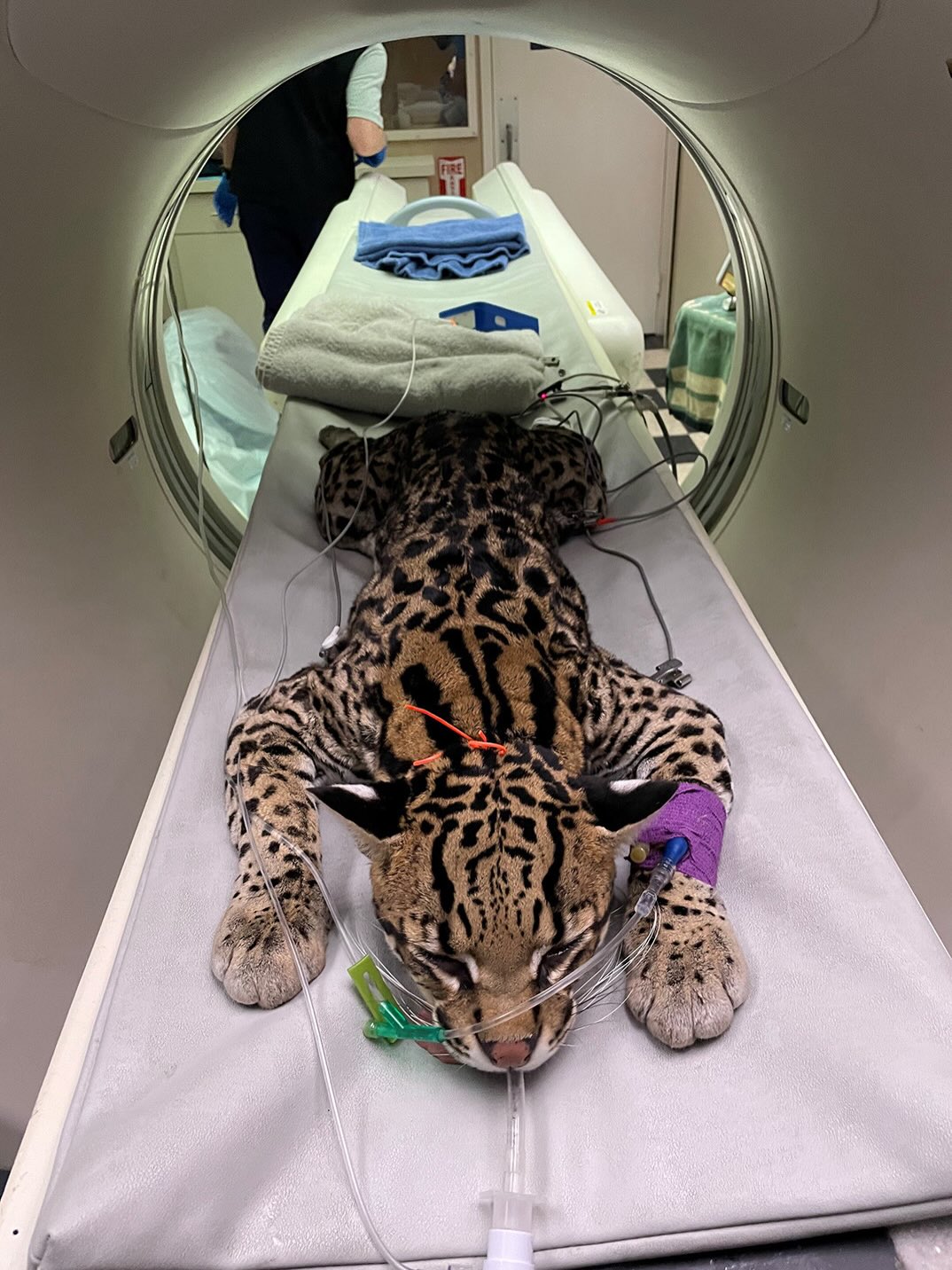
- Introduction to Pepita, the Ocelot
- Understanding Urinary Tract Health in Felids
- Importance of Advanced Diagnostic Techniques
- The Role of Veterinary Specialists in Animal Care
- Conservation Considerations for Ocelots
Pepita, a six-year-old female ocelot, has recently drawn attention due to some unusual behavior. Ocelots are small wild cats native to South and Central America, celebrated for their striking fur patterns and adaptability to various habitats. Like all animals, their health can fluctuate due to various factors, including environmental stressors, diet, and underlying medical conditions. Understanding the health challenges faced by ocelots offers valuable insights into their care and conservation.
Urinary tract health is crucial for all felids, including ocelots. The urinary system plays a vital role in the overall physiological function of an animal. In felids, urinary abnormalities can lead to severe issues, including urinary tract infections, bladder stones, or more systemic illnesses. Symptoms might include changes in urination patterns, blood in the urine, or signs of discomfort. Such symptoms can easily go unnoticed in wild settings but are easier to observe in captive animals. Regular veterinary examinations and diagnostics become essential tools for monitoring and maintaining the health of these captivating creatures.
Pepita’s situation exemplifies why diligent health care is needed for zoo animals. Upon her initial examination, the veterinary team identified urinary irregularities requiring further investigation. Following this, advanced diagnostics were recommended, which would provide a deeper understanding of Pepita’s urinary system.
Advanced techniques like CT scans and cystoscopy are becoming increasingly standard in veterinary practices. A CT scan provides high-resolution images of internal structures. For Pepita, this imaging technique was instrumental in identifying any anatomical abnormalities that may contribute to her urinary issues. The cystoscopy procedure, where a tiny camera is introduced through the urethra, offers an unfiltered view of the urinary tract and bladder. This direct visualization can assist in diagnosing infections, tumors, or urinary obstructions. The precise nature of these tests often leads to more effective treatment protocols, ensuring animals like Pepita receive the quality care they deserve.
Working with specialists, such as those found at SAGE San Francisco, highlights the growing importance of veterinary expertise in animal health. These professionals are trained to handle intricate medical care, providing treatment options tailored to the unique needs of various species. In an age where animal health care continues to advance rapidly, the collaborative efforts of veterinarians, specialists, and wildlife management teams are crucial.
While routines such as health check-ups are essential, they also highlight broader conservation concerns. Ocelots, traditionally threatened by habitat loss and illegal trafficking, rely on appropriate care in captivity to thrive and serve as ambassadors for their species. Education about health issues, like those experienced by Pepita, fosters awareness regarding the challenges wildlife faces in both natural and controlled environments.
Through the care of Pepita and the advanced practices employed by veterinary teams, the intricate balance between wildlife conservation and animal care is accentuated. By attending to her medical needs, we not only support Pepita but also lay the groundwork for broader conservation efforts to protect ocelots in their natural habitats. Such clinical interventions are essential for raising public awareness and fostering community involvement in wildlife protection initiatives.
Every update regarding Pepita’s progress serves as a reminder of the interconnection between veterinary medicine and wildlife conservation. As she receives ongoing monitoring and care, her case underscores the urgent need for comprehensive health care protocols for wildlife. Ocelots, like Pepita, require continuous support from both veterinary specialists and public advocates to thrive.
As the story of Pepita unfolds, it also acts as an educational tool. With better awareness and understanding of urinary tract health, we can make informed choices that benefit both captive and wild populations. The integration of diagnosis, treatment, and conservation efforts empowers us to contribute effectively to the health and welfare of ocelots and other endangered species.
In reflecting on Pepita’s health journey, we appreciate the dedication shown by veterinary teams and the importance of advanced diagnostics. Advances in technology and veterinary care play a crucial role in ensuring animal health. They also serve as a bridge to broader discussions on habitat protection and environmental stewardship.
Through Pepita, we witness the capacity for veterinary medicine to support individual health, which, in turn, benefits species-wide conservation strategies. Her case demonstrates how focused attention on animal well-being can contribute to a healthier ecosystem. Every animal treated, especially those in danger of extinction, is a step towards ensuring biodiversity for future generations.
As we continue to monitor Pepita’s recovery, she exemplifies the boundless potential of veterinary science in advancing animal health, thereby enhancing the conservation narrative. Awareness about urinary health in ocelots and similar species helps form a community that champions wildlife preservation. Each diagnosis serves an essential purpose, providing further insight into the species’ needs and behaviors.
The welfare of captive ocelots like Pepita significantly impacts our understanding of their wild counterparts. By shedding light on her medical care, we inform both the public and future conservation efforts. Informed communities are better equipped to advocate for support systems that protect fragile ecosystems.
Veterinary specialists, along with effective diagnostic tools, pave the way toward innovative care approaches. By prioritizing the health of individual animals, including ocelots like Pepita, we cultivate a culture of conservation that extends beyond zoos to the wild habitats they inhabit.
Through the dedicated efforts of Pepita’s care team and veterinary specialists, her story is one of hope and resilience. The nuances of her health condition emphasize the importance of each diagnostic step undertaken. With every advanced technique applied, we enrich our understanding of animal health, fostering pathways to protect species and their habitats.
Every update about Pepita not only serves as an individual narrative but also signifies larger themes in wildlife care and conservation. As we continue to monitor her health, her journey reminds us of our shared responsibility for the well-being of wildlife around the globe.
Understanding the interplay between veterinary care and conservation will enable us to advocate for responsible management and recovery strategies. We stand to learn much from cases like Pepita’s, reinforcing our commitment to preserving ocelots and other species for generations to come.
Ultimately, Pepita serves as a living testament to the intricate road of veterinary science and wildlife conservation. Her health showcases the impact of dedicated care on species preservation, reaffirming our duty to both captive and wild populations. Through careful attention and advanced medical practices, we embody a commitment to sustaining wildlife in harmony with human existence.
*****
Source Description
You might remember that our six-year-old female ocelot, Pepita, was acting a little off a few months ago. Following her initial thorough exam in October, our veterinary team identified urinary abnormalities and recommended further testing to better understand the underlying cause.
Pepita recently visited the internal medicine specialists at SAGE San Francisco, where she received a CT scan and cystoscopy. Cystoscopy allows veterinarians to directly visualize the urinary tract and bladder by gently passing a small camera through the urethra. These advanced diagnostics provide a clearer picture of Pepita’s urinary tract health and will guide her ongoing care.
We’re grateful to the experts at @sagecenters and to Pepita’s dedicated care team for watching over her so closely. Thank you for all the kind thoughts for Pepita. We’ll continue to share updates when available.
