
- The importance of enrichment for ground hornbills
- Understanding the behavior and characteristics of ground hornbills
- The role of play in wildlife management and conservation
- Techniques for promoting animal welfare through enrichment
- How visitors can engage with ground hornbills and support conservation efforts
Ground hornbills are among the most captivating avian species found in Africa. Known for their striking appearance and remarkable behaviors, these birds thrive in environments that promote their natural instincts. A recent addition of toys to their habitat has sparked a unique opportunity to better understand the significance of enrichment in animal care. This article explores the importance of play for ground hornbills, the effects of enrichment on their well-being, and how this aligns with overall wildlife conservation strategies.
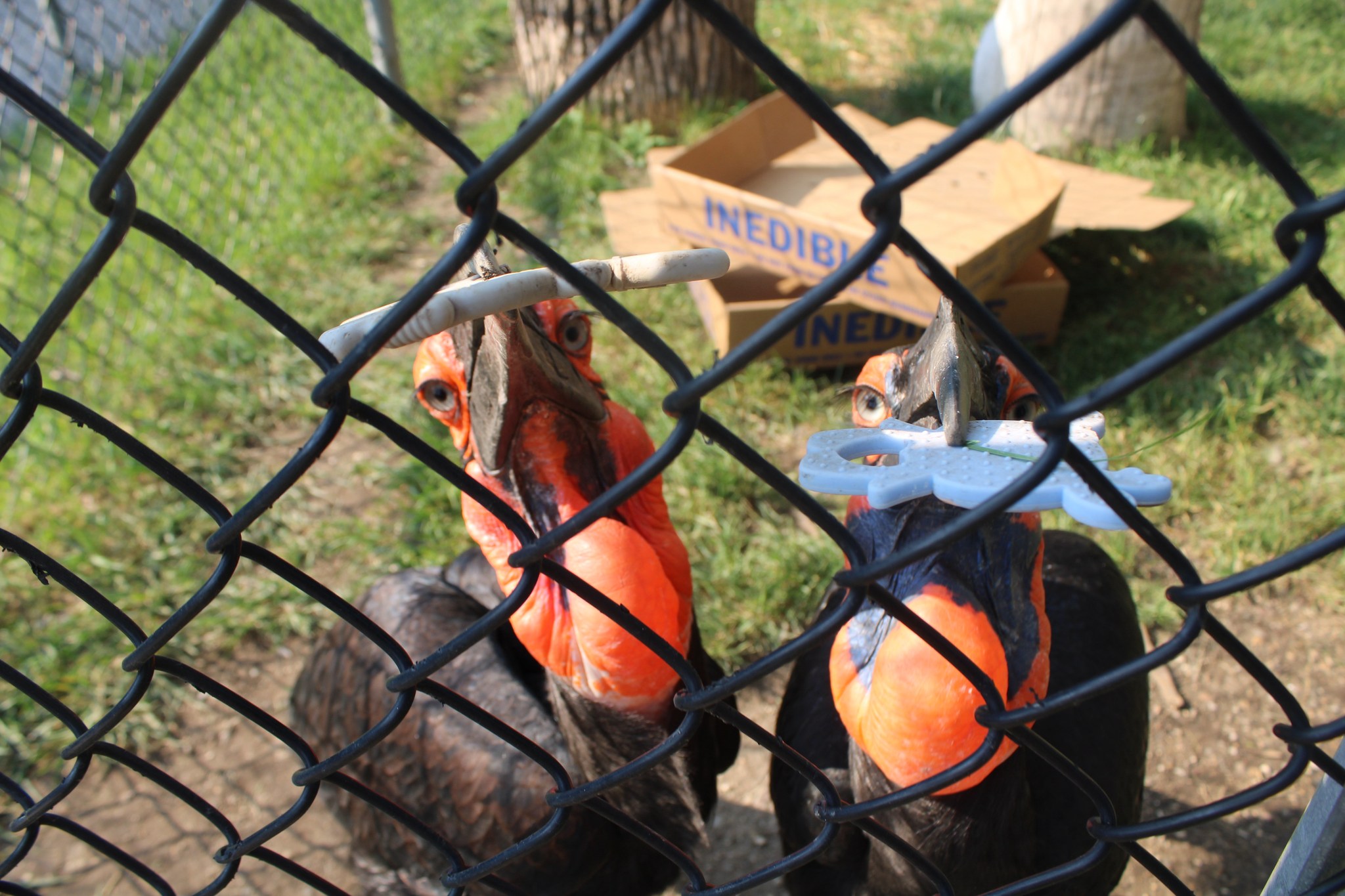
Ground hornbills exhibit behaviors that are both entertaining and educational. They are social birds, often living in family groups that can include up to ten individuals. Their social structure and interactions are crucial for their development and daily existence. By providing play objects, such as ropes, hanging toys, and balls, these birds engage not just physically but also mentally. This stimulation can reduce behavioral issues and increase their overall happiness, leading to healthier, more active lifestyles.
Understanding the significance of enrichment goes beyond simply providing toys. In captivity, animals can experience stress, boredom, and even depression if their environment lacks stimulation. Enrichment enhances the complexity of their surroundings, encourages problem-solving, and fosters creativity. This integrated approach to animal care is critical for species like the ground hornbill, which thrive when given the opportunity to express natural behaviors. Their penchant for tossing and pecking at toys highlights their playful nature and is a clear indicator of their cognitive engagement.
Play is a vital component of development, not just for humans but for animals as well. For ground hornbills, the act of playing serves multiple purposes. It mimics natural hunting and foraging behaviors, enabling the birds to practice skills essential for survival in the wild. This aspect is especially critical given that many populations of ground hornbills are currently facing threats due to habitat loss and human encroachment. By fostering an environment where these birds can exhibit their natural behaviors, we contribute to their overall well-being and adaptability.
The role of play in animal management aligns closely with wildlife conservation practices. Enrichment activities, like those that involve engaging with toys or social interactions, allow us to observe behaviors that are indicative of health and well-being. In some cases, captive breeding programs rely on understanding these behaviors to successful re-introduce species into the wild. For ground hornbills, part of a broader conservation strategy includes maintaining their physical and mental health through various enrichment methods.
Various techniques can be used to promote animal welfare through enrichment. Toys should be safe, durable, and varied, presenting different challenges that stimulate their instinctual behaviors. For instance, toys that dispense food encourage ground hornbills to work for their meals, mimicking natural foraging. Seasonal changes can be leveraged to introduce new objects, keeping the environment invigorating year-round. Regular assessments of toy effectiveness can help refine which types engage the birds best. Moreover, ensuring that species-specific needs—such as ground-browsing behavior—are met adds another layer of complexity to enrichment strategies.
Visitor engagement also plays a critical role in the success of conservation initiatives. By interacting with the ground hornbills, guests gain insight into bird behavior and the importance of preservation efforts. They are not merely viewers but active participants in a conservation narrative. Educating visitors about the challenges that ground hornbills face in the wild can cultivate a sense of responsibility. Opportunities for guests to support aviary programs, such as sponsoring enrichment or contributing to habitat protection initiatives, can significantly impact broader conservation efforts.
Ground hornbills, with their iconic look and fascinating behaviors, serve as ambassadors for their species. They often captivate the imagination of visitors, inspiring them to learn more about wildlife and environmental stewardship. Every interaction, whether through observation or education, deepens connections between people and nature. As we continue to create stimulating environments for ground hornbills, we also reinforce values that extend to other species at risk.
In conclusion, the introduction of engaging toys for our ground hornbills signifies more than just play—it’s an essential component of their welfare and conservation. By creating a vibrant environment where these birds can express their natural tendencies, we promote mental health and well-being. Significant insights derived from observing their interactions with these toys help inform broader animal management strategies. Ground hornbills demonstrate the importance of thoughtful, informed care that aligns with extensive conservation practices. Engaging with these birds highlights the intersection of play, enrichment, and conservation, showing that wildlife management is both a science and an art, and the impact it can have extends far beyond the confines of any individual institution.
*****
Source Description
🐦 Playtime alert!
Our ground hornbills are having a blast with their new toys! They love tossing, pecking, and showing off their curious, playful side. Enrichment keeps their minds sharp and their beaks busy. Come say hi to them today!
