
- Exploring indoor viewing options at the zoo during heatwaves
- The significance of mud wallowing for animal cooling
- How zoos manage animal welfare during extreme temperatures
- An overview of heat adaptation strategies in wildlife
- Conservation efforts highlighting the impact of climate change on animals
As the summer sun blazes, finding ways to cool off becomes essential, not just for humans but also for the animals residing in zoos. This weekend, as temperatures soar, zoos are offering unique indoor viewing experiences. These shaded, air-conditioned spaces allow visitors to enjoy observing animals while staying cool. Such setups are especially beneficial for families, providing educational entertainment away from the heat.
Indoor viewing areas are designed with both guests and animal welfare in mind. For instance, zoos might offer glimpses into nocturnal habitats, giving visitors the chance to see animals that usually avoid daylight hours. These spaces provide insights into animal behavior that might not be visible during outdoor visits. These viewing options enrich the zoo experience, enabling visitors to learn about animals in a setting that mimics their natural environments.
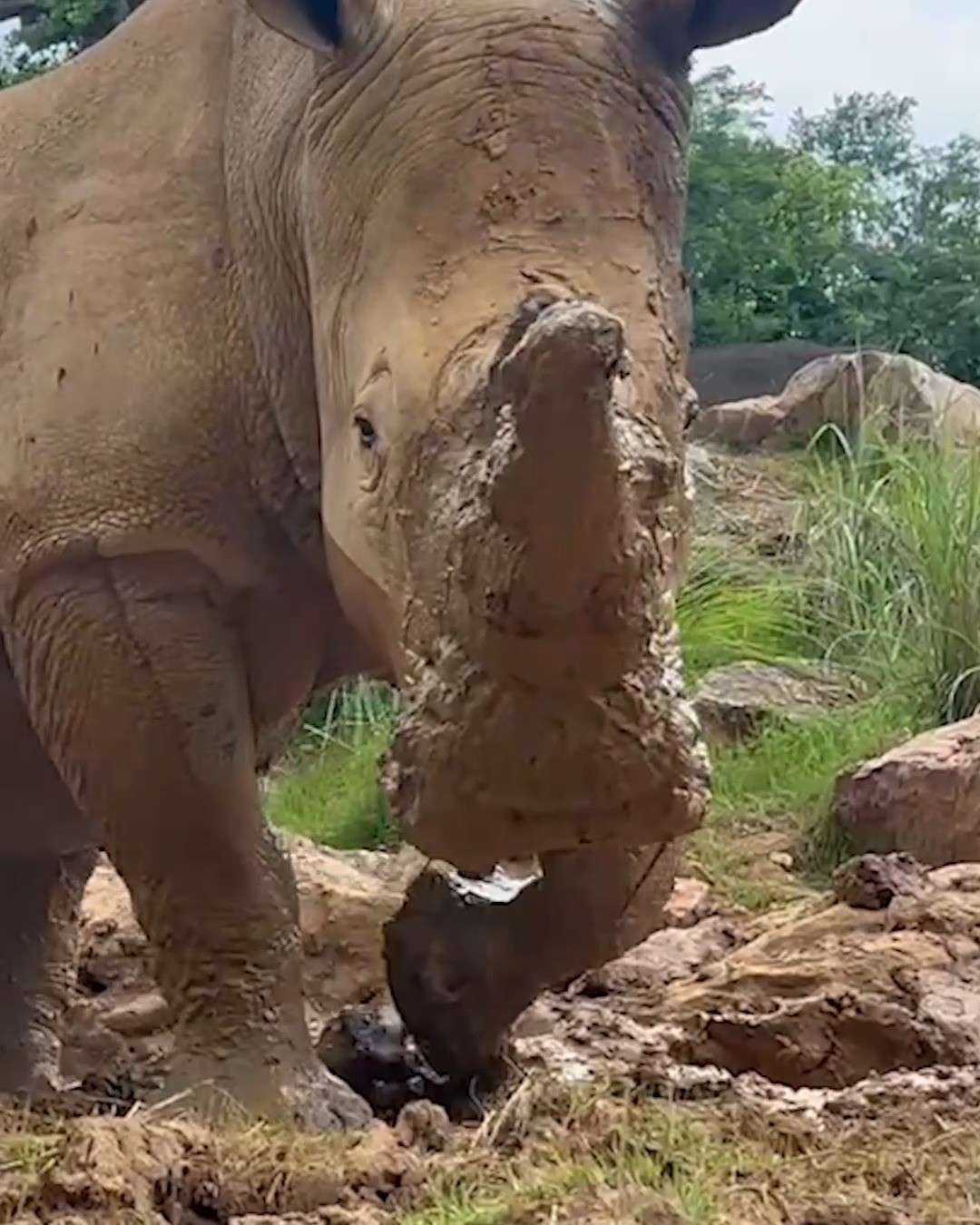
On the other hand, animals like rhinos take advantage of cooling methods reminiscent of their native habitats. Wallowing in mud is a practice that helps regulate body temperature, offering both a cooling effect and a layer of protection from the sun. This behavior is typical for species adapted to hot, arid climates. The mud acts as a natural sunblock and insect repellent, making it an ingenious way to endure the heat.
Zoos play a critical role in ensuring animals remain comfortable during heatwaves. They incorporate several strategies to manage animal welfare, including providing shaded areas, increasing hydration options, and timing feedings to cooler parts of the day. These techniques, rooted in scientific understanding of animal needs, showcase the dedication to care and conservation in modern zoo management.
Across the globe, wildlife has developed various strategies to beat the heat. From elephants using their large ears to dissipate heat to desert foxes being active at night, these adaptations highlight the resilience of animals in extreme environments. Understanding these behaviors not only fascinates audiences but also underscores the importance of protecting natural habitats that support such biodiversity.
The impact of climate change on wildlife is increasingly evident, with rising temperatures posing new challenges. Conservation efforts in zoos are more important than ever, serving as both sanctuaries for endangered species and centers for public education. By showcasing how animals adapt to heat, zoos educate visitors on the broader implications of environmental changes, inspiring action for conservation.
As we navigate this hot weekend, these reflections at the zoo remind us of the intricate connections between animals and their ecosystems. By appreciating these adaptations and the conservation efforts behind them, we take a step toward preserving our planet’s diverse wildlife for future generations.
*****
Source Description
☀️How is everyone beating the heat this weekend?
🧊We have plenty of indoor viewing to cool off at the zoo…or you can do like our rhinos and find some nice cool mud to wallow in. Your choice.🦏
