
Summary of Hundreds of Plush Patients Patched at Stuffed Animal Clinic:
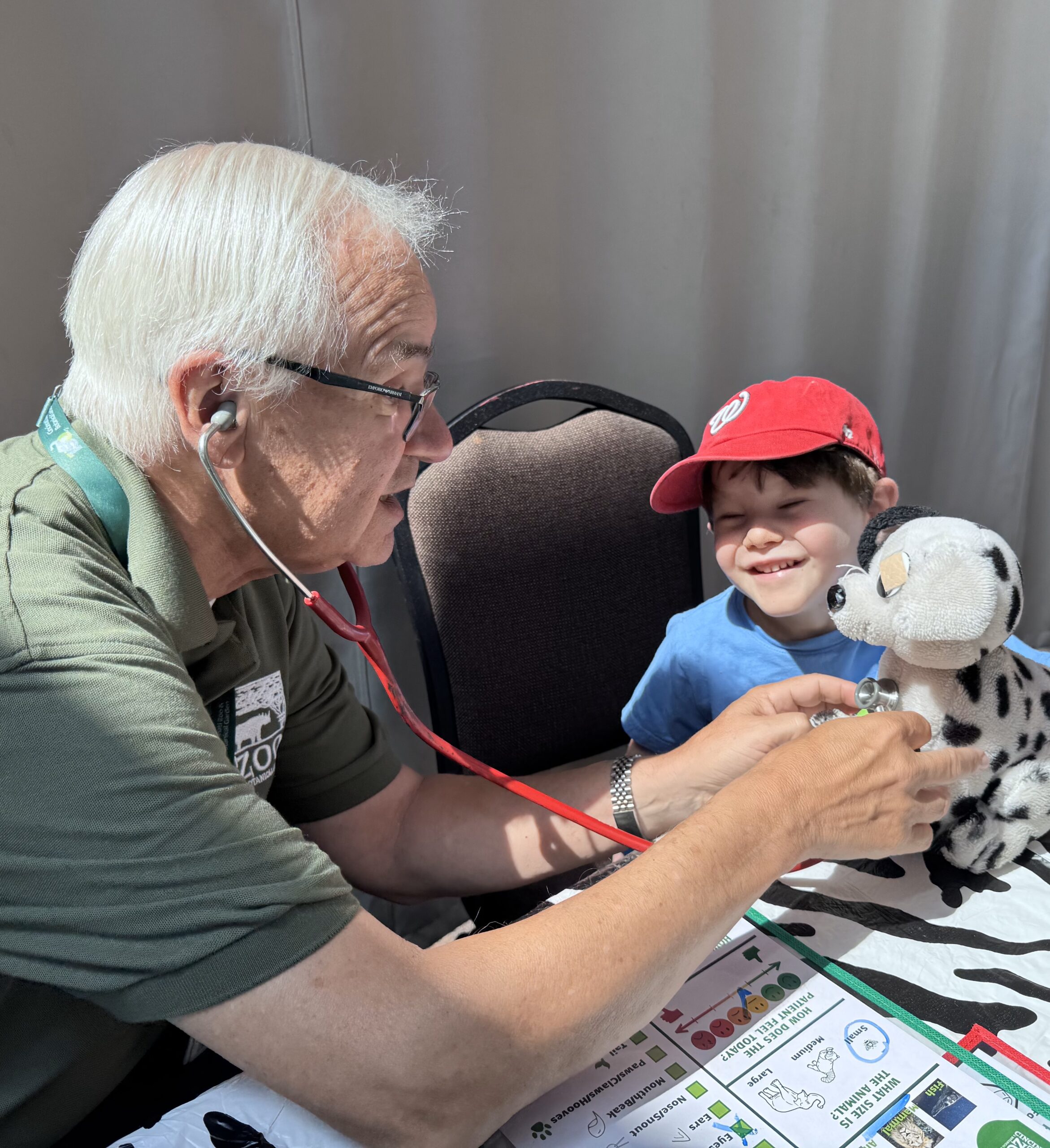
The Cincinnati Zoo & Botanical Garden recently held its second annual Stuffed Animal Clinic, where volunteers provided care for plush toys in need of repairs, from simple Band-Aids to full facial reconstructions. Participants included both kids and their stuffed animals, creating heartwarming interactions and hands-on experiences. Volunteers, equipped with various medical-like tools, included skilled adults and staff from Cincinnati Children’s Hospital. The event was a hit, with plans to return next year, enhancing both the children’s joy and the volunteers’ experiences.
- The significance of the annual Stuffed Animal Clinic for children and volunteers
- The specialized skills and roles of volunteers at the clinic
- The impact of the event on emotional well-being and community engagement
- The importance of preserving childhood connections to stuffed animals
- Future plans and potential expansions of the clinic
The Stuffed Animal Clinic, hosted at the Cincinnati Zoo & Botanical Garden, is a heartwarming event that delights children and adults alike. With hundreds of plush patients treated, this clinic serves multiple purposes beyond simply repairing stuffed animals. It fosters emotional connections, encourages community involvement, and provides children with valuable early experiences in medical care.
At the core of the Stuffed Animal Clinic is the commitment to providing nurturing care through the efforts of dedicated volunteers. The event showcases individuals with diverse skills, including sewing and crafting, combined with the ability to connect emotionally with young attendees. Each volunteer is equipped with tools, such as stethoscopes and threads, designed for the task at hand. Many volunteers have backgrounds in healthcare or child development, further enriching the supportive atmosphere.
The role of volunteers is not just limited to repairs. They also engage children in a meaningful way. Young attendees are often encouraged to participate in the process by assisting with their beloved plush friends’ treatment. This involvement fosters a sense of responsibility and empathy, offering an early insight into medical care. The connection tends to deepen, as these experiences might inspire future interests in veterinary medicine or pediatric care.
Events like the Stuffed Animal Clinic can have substantial psychological benefits. For instance, some children derive immense comfort from bringing in their favorite stuffed animals. These plush companions often serve as emotional anchors, particularly during stressful situations. Volunteers observe firsthand how the clinic turns anxiety into joy, transforming apprehension into excitement. One mother shared a touching story about her son who spoke about bringing his stuffed animal, Spot, for days. The happiness radiating between the child and his volunteer reinforced the clinic’s role in fostering emotional well-being.
The experience is equally rewarding for volunteers. Many have expressed how they appreciate the opportunity to engage with children while using their special talents. This mutual exchange not only enhances the emotional climate but allows for a rich community experience. As Brittany Garera-Stapleton, the volunteer program manager at the Cincinnati Zoo, noted, “This clinic is as good for the volunteers as it is for the kids and the patients.” Such feedback emphasizes the importance of community-driven initiatives in building strong connections within neighborhoods.
Even beyond emotional benefits, the Stuffed Animal Clinic offers practical learning experiences. Children often have the chance to learn about basic healthcare concepts, including the importance of caring for others. As they witness their stuffed animals getting attention, they become more aware of the needs of living beings. Educational interaction fosters curiosity about animals, healthcare, and the interconnectedness of life, which can lead to increased awareness around wildlife conservation.
Further, considering the emotional and educational implications of attachments to stuffed animals ignites discussions on childhood development. Psychological studies indicate that toys, especially soft, cuddly ones, provide comfort to children. For many, stuffed animals symbolize companionship, safety, and joy. In a world of increasing technology and screen time, events like this promote interpersonal skills through direct interaction.
Looking ahead, the Cincinnati Zoo is already planning future clinics. This proactive approach promises to build on the success of past events, perhaps expanding the clinic’s reach and offerings. The pledge to create a more immersive experience may include workshops focusing on animal care or enrichment activities that allow children to learn about empathy and responsibility in greater depth. By nurturing their existing relationships with plush companions, the zoo aims to cultivate future generations of compassionate and responsible individuals.
The impact of the Stuffed Animal Clinic extends into the broader context of wildlife conservation and species awareness. Initiatives like this one encourage discussions about living animals and their needs in ecosystems. By fostering a sense of care toward stuffed animals, children may be more inclined to extend this empathy towards real animals, perhaps sparking interest in wildlife protection efforts. Awareness of conservation can be heightened through fun and interactive experiences designed for youngsters.
Incorporating educational components about animal habitats, the threats they face, and how to contribute positively can further enhance the event’s objectives. Children and their guardians can depart with a new understanding of the responsibilities entailed in caring for both pets and wildlife. Talks or presentations featuring real zoo animals may also be integrated to add an interactive layer to the experience.
The connections made during the Stuffed Animal Clinic emphasize the intersection between community health and wildlife. By engaging in activities that foster empathy, children learn how their choices impact the environment and other species. The anecdotal evidence collected from both participants and volunteers highlights the emotional rewards derived from such involvement.
Zoo management plans to document the various benefits observed through surveys and interactions. Future research can inform strategies for event improvement and community outreach. By analyzing feedback, zoo officials can better understand community needs and desires, enhancing future iterations of the Stuffed Animal Clinic.
The program is also an excellent practice space for volunteers in their community engagement efforts. By offering skill-based volunteering opportunities, the zoo helps individuals grow in fields like child development, psychology, or animal welfare. Volunteers gain hands-on experience while enriching the lives of children and reinforcing the mission of the Cincinnati Zoo.
As the annual event approaches, it is clear that the Stuffed Animal Clinic is about much more than just mending toys. It serves as a conduit for fostering community spirit, providing emotional support, and enhancing awareness around wildlife issues. The healing of plush companions translates into meaningful life lessons for children, cultivating a longing for responsibility that can last a lifetime.
It is not merely a one-off event in the calendar but rather a movement towards nurturing a healthier emotional climate for the next generation. Through continuous support and care, both volunteers and children alike come together to create a unique tapestry of compassion, creativity, and community-driven care.
Planning for future clinics could involve collaborations with local schools or organizations that focus on childhood development or environmental education. The intent is to amplify the clinic’s impact while making strides toward a more sustainable tomorrow. Engaging community partners could open opportunities for further educational content, leading to a widespread increase in awareness and action surrounding wildlife conservation.
Ultimately, the Stuffed Animal Clinic at the Cincinnati Zoo & Botanical Garden exemplifies the importance of emotional and educational engagements within communities. By treating plush companions, children receive the motivation to express care and empathy. The heartening experiences shared between volunteers and young attendees may indeed inspire a passion for preserving the natural world and its inhabitants. Moving forward, the hope lies in instilling a sense of responsibility, respect, and love for flora and fauna, integrating these values into the fabric of local communities and beyond.
