
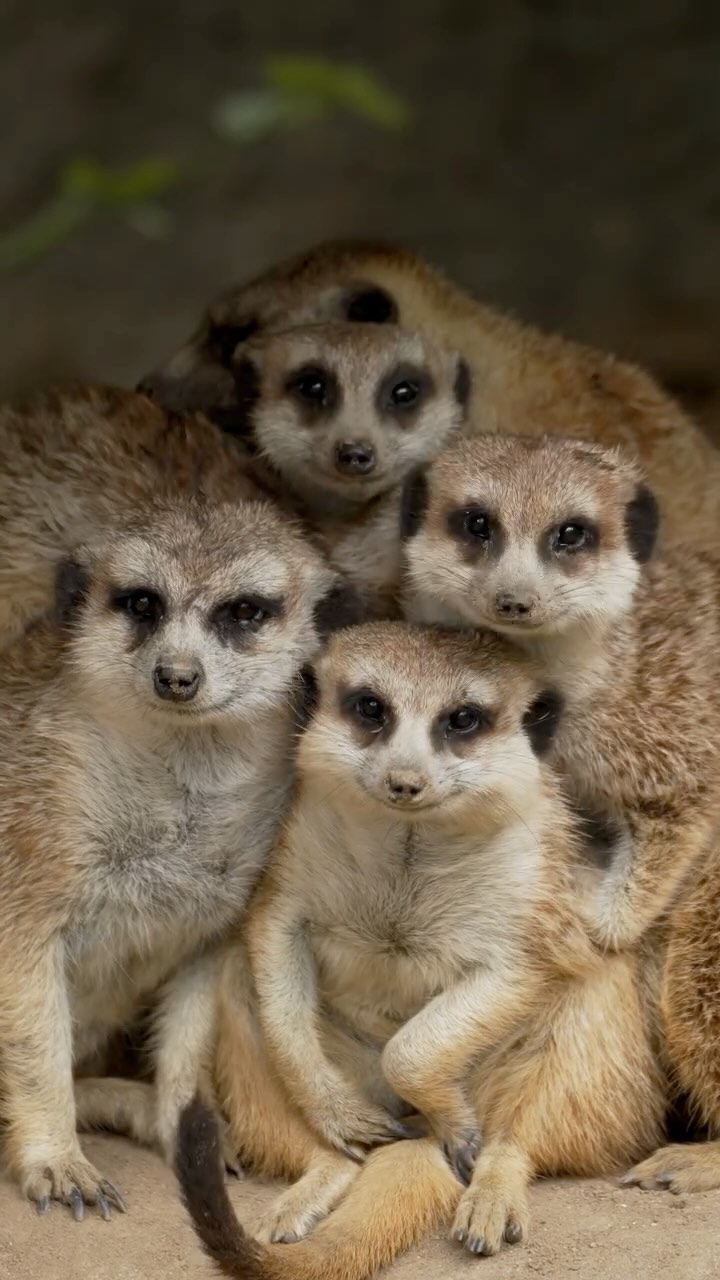
- Overview of meerkat social structures and behaviors
- Explanation of a cuddle puddle and its significance
- Importance of social bonding in meerkats
- Conservation efforts for meerkats and their habitats
- Insights into meerkat impact on ecosystems
Meerkats, small members of the mongoose family, exhibit fascinating social behaviors that make them stand out in the animal kingdom. Native to southern Africa, these highly social animals live in groups called mobs or clans, showcasing a sophisticated social structure characterized by strong bonds among members. Their cooperative behavior is essential for survival in the harsh environments they often inhabit.
A cuddle puddle refers to a specific behavior seen in meerkats where individuals huddle close together, often forming a heap of interconnected bodies. This behavior serves several vital functions. The first of these is warmth. Meerkats are primarily active during the day, and they often rest in the cooler hours of the morning and evening. By huddling together, they conserve body heat, which is crucial when temperatures drop. This behavior is not just about being comfortable; it is a survival strategy.
Moreover, a cuddle puddle offers protection. When meerkats group together, they create a layer of safety. Predators are less likely to target a densely packed group than solitary individuals. The clustering acts as a defensive mechanism that can help deter threats. When meerkats are close, they can also keep an eye out for danger, ensuring that some individuals remain vigilant while others rest.
The act of cuddling also plays a significant role in reinforcing social bonds. Meerkat groups are known for their strong familial ties. Through physical contact, they establish trust and reinforce their hierarchy within the clan. Young meerkats learn from older members not just about foraging or alerting to danger, but also about social interactions and dynamics. Cuddle puddles thus act as a natural setting for learning these essential skills.
These social behaviors extend beyond mere physical interactions. Meerkats communicate through a variety of vocalizations and grooming rituals. Vocal calls are crucial for alerting the group to potential threats, while grooming fosters closeness and strengthens relationships. In many ways, the cuddle puddle acts as a microcosm of meerkat society, illustrating their cooperative nature.
Social bonding among meerkats contributes significantly to their survival and reproductive success. Strong hierarchies are often established within a mob, typically led by a dominant pair that leads breeding efforts. The shared responsibilities contribute to nurturing and raising the young. When young meerkats are reared in a supportive environment, they are more likely to thrive and learn the essential skills needed for survival.
Understanding meerkat behavior is also closely linked to conservation efforts. These animals play a crucial role in their ecosystems as they aerate the soil while digging for food and create burrows that serve as habitats for other species. The decline of meerkat populations can thus have ripple effects in their ecosystems. Conservation initiatives aim to protect their habitats, such as grasslands and scrublands, which are increasingly threatened by human activities, such as agriculture and urbanization.
There is a growing awareness of the need to conserve not only meerkats but also their natural environments. Sustainable land management practices can help preserve the ecosystems essential for their survival. Educating local communities about the ecological impact of their activities is a vital step in conservation efforts. Engaging communities in protecting meerkat habitats can foster a sense of stewardship and support for wildlife conservation.
An important aspect of this conservation approach involves research. Field studies help experts gain insights into meerkat behavior, population dynamics, and habitat requirements. This research informs conservation strategies, ensuring they are effective in preserving both the species and their habitats. Long-term monitoring of meerkat populations aids in understanding their adaptability and resilience in changing environments.
Efforts to enhance habitat protection and promote awareness about meerkats contribute to broader wildlife conservation goals. By addressing the factors leading to habitat loss and fragmentation, conservationists can work towards ensuring the survival of meerkats for future generations. Community-based conservation initiatives have proven effective, where local communities actively participate in conservation efforts, fostering a connection between wildlife and people.
In summary, the cuddle puddle behavior displayed by meerkats emphasizes the importance of social structures and bonds within their communities. This adorable sight provides numerous benefits, from warmth and protection to reinforcing social hierarchies essential for survival. Understanding these behaviors helps advance conservation efforts aimed at preserving meerkat populations and their ecosystems. By protecting meerkats, we support the intricate web of life that they inhabit, ultimately benefiting the entire ecosystem.
*****
Source Description
The special meerkat behavior being displayed here is known as:
a. A cuddle puddle
b. The cutest thing on your feed today
c. All of the above
