
- Understanding the Role of Pollinators in Ecosystems
- The Importance of Pollinator Day
- Educational Activities and Engagement
- Conservation Efforts for Pollinators
- How to Support Pollinator Populations
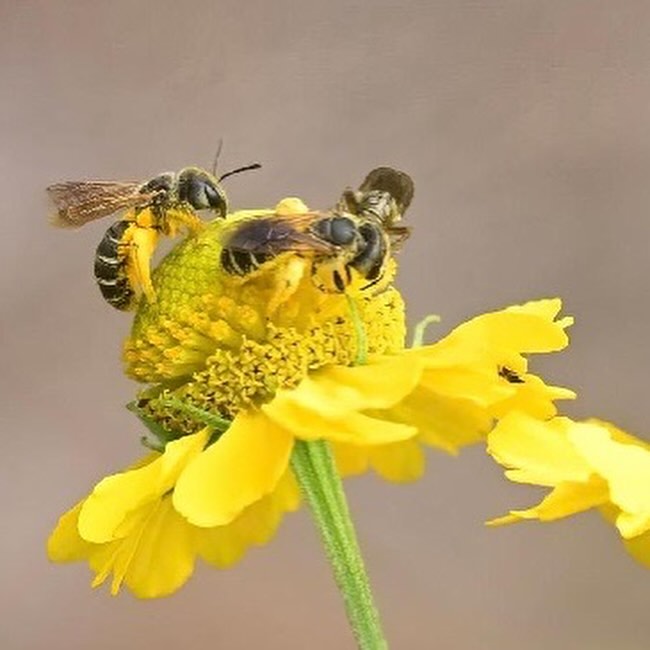
Pollinators play a vital role in ecosystems by facilitating the reproductive processes of flowering plants. These organisms include bees, butterflies, birds, and even some mammals. Over 75% of flowering plants depend on animal pollination, making it essential for biodiversity and food security.
Pollinator Day, celebrated annually on June 21st, raises awareness about the crucial relationship between these creatures and the plants they help thrive. Events often span from educational displays to hands-on activities that highlight the importance of pollinators. This event serves not just as a celebration, but as a call to action for people to engage in conservation efforts aimed at protecting these species.
Attendees at Pollinator Day can expect a variety of educational opportunities. Displays may include information on local pollinator species, their habitats, and the types of plants that attract them. Guided activities can help participants understand pollination processes, the life cycles of pollinators, and the challenges these organisms face. Craft sessions offer creative engagement, allowing participants to make pollinator-friendly gardens or decorative bee hotels. These activities encourage an interactive learning experience that can inspire individuals of all ages to appreciate the crucial roles pollinators play in our ecosystem.
While celebrating the contributions of pollinators, it is also important to recognize the many threats they face. Habitat loss, pesticide use, and climate change significantly impact pollinator populations. Increased urbanization leads to the fragmentation of habitats essential for these species. Pesticides and herbicides can poison pollinators directly or degrade their food sources. Monitoring climate change’s effects, such as shifts in blooming times or the migration of certain species, is crucial for understanding these challenges.
Conservation efforts are critical in addressing these issues. Organizations around the globe work to restore habitats, advocate for sustainable agricultural practices, and promote public education on pollinator preservation. Planting native species in gardens and creating pollinator corridors can help support local populations. Moreover, legislation aimed at reducing pesticide use can play a significant role in protecting these indispensable creatures.
Individuals can also contribute to pollinator conservation in their daily lives. Planting diverse gardens rich in flowering plants attracts various pollinators. Choosing native species can provide the necessary resources these creatures need for survival. Limiting pesticide use in home gardens is another effective way to protect pollinators. Simple actions, like leaving some areas of a lawn unmown or creating bee hotels, can significantly enhance local habitats.
Pollinator Day is not just a festivity; it is an opportunity to resound the critical message of conservation. By understanding the ecological role of pollinators, appreciating their contributions, and adopting conservation measures, individuals can play an integral part in safeguarding these vital species. Celebrations like Pollinator Day foster an informed and engaged community, passionate about protecting pollinators for future generations.
*****
Source Description
🐝 Pollinator Day! 🦋
Join us today (6/21) from 12-4pm as we focus on the importance of the relationship between pollinators and plants! There will be educational displays, crafts, activities, and more! Included with general admission.
🌊
