
- Understanding Post-Thanksgiving Eating Habits
- The Impact of Thanksgiving Traditions on Marine Life
- Conservation and Sustainable Eating Practices
- The Role of Zoos in Promoting Healthy Diets
- Tips for Responsible Food Consumption After the Holidays
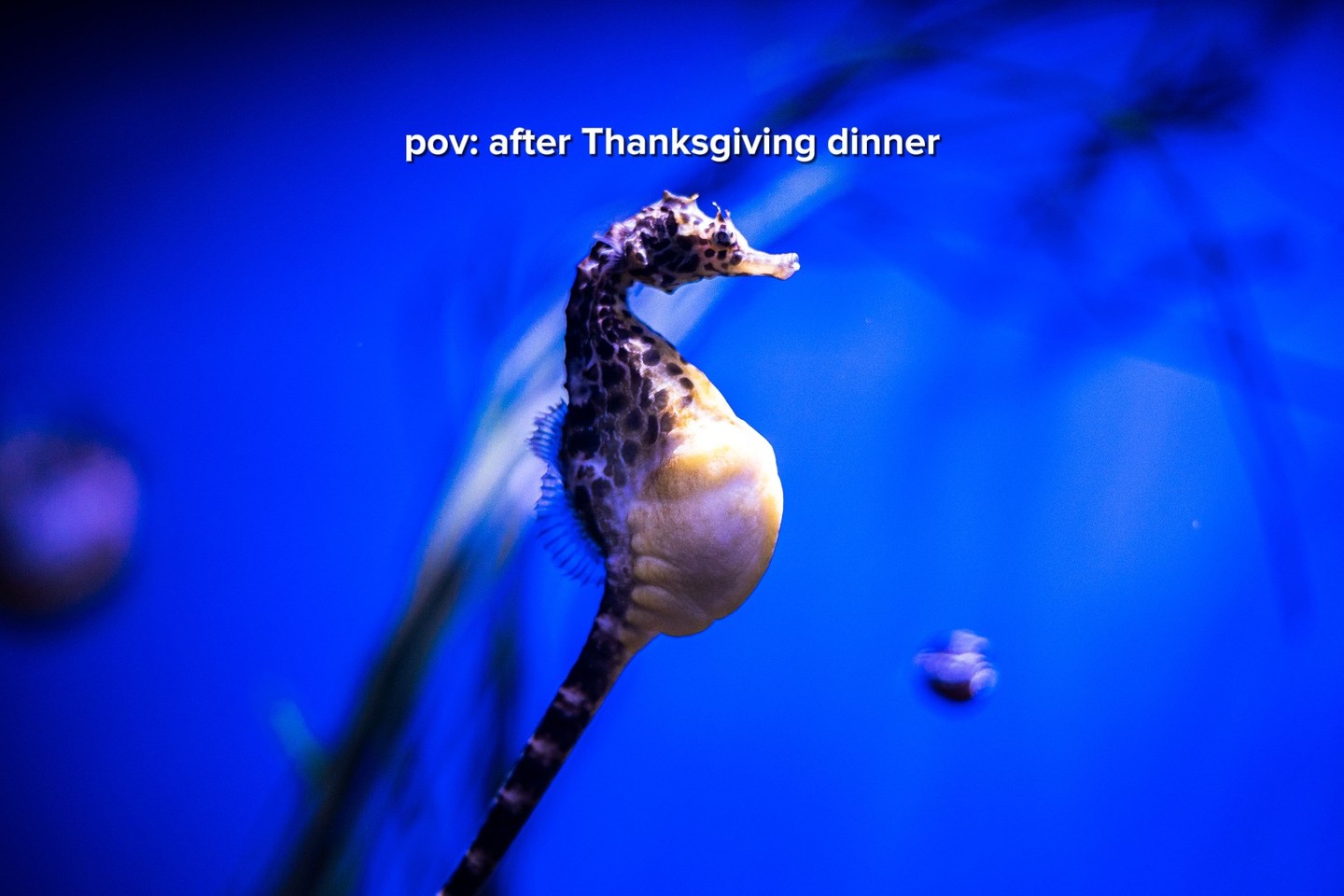
The period following Thanksgiving often brings a distinct shift in dietary habits for many people. As individuals transition from feasting to managing their food choices, awareness of healthy eating becomes crucial. The post-Thanksgiving look, characterized by fullness and often a sense of indulgence, calls for reflection on not just personal health but also greater ecological impacts. Understanding these dynamics can provide valuable insights into our eating behaviors and the implications for wildlife.
After the Thanksgiving celebration, individuals might find themselves with an abundance of leftovers. These leftovers can be a source of joy but can also lead to food waste if not managed appropriately. The CDC estimates that about 30-40% of the food supply in the U.S. goes to waste, which has far-reaching consequences. Educating oneself on how to creatively reuse these leftovers can not only minimize waste but also lead to more nutritious meals. This may include reimagining dishes or freezing excess food for future use.
Eating habits during and after Thanksgiving can influence weight gain and overall health. Studies show that overindulgence during festive seasons can have lasting effects. The body requires a balanced approach to nutrition, which is especially critical in the wake of binge eating. A return to a balanced diet rich in fruits, vegetables, lean proteins, and whole grains can help regulate metabolism and maintain energy levels.
Thanksgiving traditions reflect more than culinary preferences; they have cultural and environmental dimensions. The resources used to prepare traditional meals, particularly turkey, often raise questions about sustainability. Mass production of turkeys has significant ecological consequences, including emissions from industrial farming settings. Understanding the origins of Thanksgiving foods can lead to more thoughtful consumption. By selecting locally sourced, organic, or humanely-raised options, individuals can support sustainable farming practices that benefit local ecosystems.
Healthy eating extends beyond the dinner plate; it intersect with wildlife conservation efforts as well. Many people don’t realize that their food choices impact not just their health but also the health of marine ecosystems. Overfishing and unsustainable seafood practices have led to the decline of various fish populations. Choosing sustainably sourced seafood can foster the preservation of aquatic species. This shift supports marine biodiversity, ensuring that future generations can enjoy oceanic resources.
Zoos, including famous facilities like Ripley’s Aquarium of the Smokies, play a pivotal role in educating the public about the importance of nutrition for both humans and animals. Zoos often serve as custodians of wildlife knowledge, providing valuable insights into the dietary needs of various species. By promoting healthy diets for captive animals, zoos foster a greater understanding of nutrition that can extend into human diets.
Moreover, public education programs can illuminate the connections between personal health and environmental stewardship. Educating children about where their food comes from not only instills good nutritional habits but also encourages a broader appreciation for wildlife conservation. School programs featuring animal ambassadors can communicate the nutritional needs of different species while promoting sustainable food choices.
After the Thanksgiving feast, it’s essential to embrace responsible food consumption. This means being mindful of portion sizes and planning meals with leftovers in mind. Planning can greatly influence food waste. For example, preparing meal plans that include leftover turkey can lead to dishes like turkey soup or turkey tacos, allowing for continued enjoyment while minimizing waste.
Composting leftover food scraps can also enrich garden soil and reduce landfill waste. Learning about composting can provide educational opportunities, especially for children. Engaging youth in garden projects can help them understand the cycles of food production and waste management.
Nutrition literacy is vital in encouraging healthy eating patterns. By understanding nutritional labels and making informed decisions, individuals can avoid the pitfalls of overindulgence. Setting realistic dietary goals after holidays can lead to sustainable changes in eating habits. Incorporating consistent meal planning, hydration, and active living can offset the temporary indulgences of Thanksgiving.
Focusing on small, achievable changes can cultivate a lifelong commitment to health and conservation. Initiatives that promote local farmers’ markets and community gardens can foster a connection with food sources while supporting local economies. Integrating these practices into daily life enhances both personal well-being and environmental sustainability.
As food systems evolve, understanding the implications of our dietary choices becomes essential. The post-Thanksgiving look serves as a reminder of the importance of thriving ecosystems and sustainable eating. Educating oneself on these principles can pave the way for better health outcomes while supporting marine and land wildlife.
Moreover, exploring plant-based meal options post-Thanksgiving can invigorate diets and minimize environmental footprints. Plant-based diets are associated with lower risks of chronic diseases and can significantly reduce greenhouse gas emissions associated with animal agriculture.
Culinary experimentation can help repurpose traditional Thanksgiving foods into healthier options. For instance, transforming sweet potatoes into a warm salad or creating vegetable-based soups from leftover sides can introduce creativity in the kitchen, enabling individuals to enjoy their Thanksgiving bounty while embracing nutrition.
Finally, it’s crucial to remember that responsible food consumption after holidays extends beyond personal health. Making educated and sustainable food choices contributes to a larger conservation ethos. Supporting local and ethical food producers can drive demand for sustainable practices, ensuring that wildlife and ecosystems can thrive.
In summary, the post-Thanksgiving look encapsulates more than just a moment of fullness; it reflects our relationship with food, health, and the environment. Being mindful of our consumption habits and aligning them with conservation efforts contributes to a more sustainable future for all species. As we reflect on our meal choices and their impact, the focus should be on fostering a connection with food sources, educating ourselves, and supporting the ecosystems that sustain life.
*****
Source Description
That post Thanksgiving look 🤤🍗🍽️
Happy Thanksgiving from all of us at Ripley’s Aquarium of the Smokies! We hope you and your school of fish stuffed your faces (and bellies!) with FIN-tastic food and good vibes! 🥘🦃
