
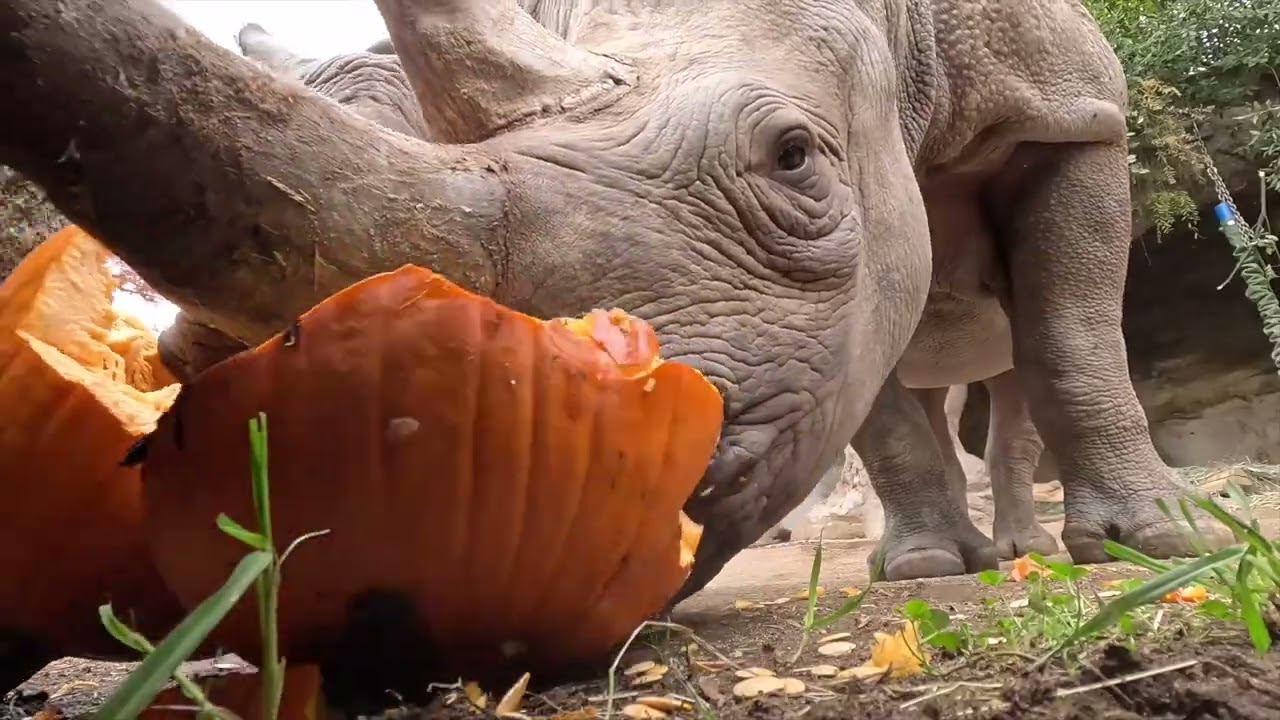
- Overview of the Thanksgiving Feast event at zoos and its impact on animal behavior.
- Insight into specific animal diets and the nutritional adaptations for festive feasting.
- Importance of animal welfare in zoos and how special events contribute to it.
- Role of zoos in wildlife conservation and education during public events.
- Detailed exploration of video content showcasing animals enjoying a Thanksgiving Feast.
Every year, zoos across the United States celebrate Thanksgiving by hosting events where animals enjoy a seasonal feast. These festivities provide both nutritional enrichment and a delightful spectacle for visitors. The event, known as “Adorable Zoo Animals Chomp On Thanksgiving Feast,” highlights different species savoring specially curated meals in festive settings. This article will delve into the particulars of such celebrations and their broader significance in the field of zoology, zoo management, and wildlife conservation.
During the Thanksgiving Feast event, zoos ingeniously recreate the holiday spirit through unique meals. The event’s primary goal is to engage the public while simultaneously enriching the animals’ environments. For instance, bears may receive a pumpkin stuffed with fruits and vegetables, while monkeys might enjoy a nutty feast. Each meal is carefully designed to meet the specific dietary needs and preferences of the animals. The selection of foods not only stimulates natural foraging behaviors but also provides a break from their routine diet, which is crucial for psychological and physical health.
Understanding the dietary needs of various species is vital in zoo management. Herbivores like elephants and giraffes require a fibrous diet while carnivores such as lions and tigers need protein-rich meals. During the Thanksgiving Feast event, zookeepers tailor the diet to mimic the animals’ natural intake while adding a festive twist. The inclusion of seasonal fruits, nuts, and vegetables also broadens their palates and introduces new textures and tastes, enhancing their feeding experience.
Animal welfare is a paramount concern for modern zoos. Special events like these are not simply for entertainment; they enrich the animals’ lives. Enrichment strategies are essential in preventing boredom and encouraging natural behaviors, crucial components of animal care. Thanksgiving feasts provide sensory, cognitive, and dietary stimulation. The process of preparing and presenting these meals involves thoughtful planning, ensuring each animal receives appropriate nutrition aligned with their physiological needs.
These celebrations have a direct link to the zoos’ broader roles in wildlife conservation and public education. By showcasing animals indulging in a Thanksgiving Feast, zoos create an engaging platform for learning. Visitors gain insight into species’ behaviors, dietary habits, and the diversity of life on our planet. Events like these are opportunities to raise awareness about conservation issues and highlight the importance of preserving habitats for each adorable creature.
The “Adorable Zoo Animals Chomp On Thanksgiving Feast” video captivates audiences as it captures the joy and curiosity of animals interacting with their festive meals. Watching elephants delicately maneuvering squash or otters playfully diving for treats provides a window into their personalities and intelligence. Such videos not only entertain but also educate, emphasizing the innovative methods zoos employ in caring for their residents.
By crafting these experiences, zoos demonstrate a commitment to combining entertainment with education and conservation. They underscore the critical role of zoos as bastions of animal welfare, conservation, and public engagement. Through events like the Thanksgiving Feast, zoos inspire generations to value wildlife and support global conservation efforts, ensuring a vibrant future for both animals and humans.
*****
Source Description
Happy Chompsgiving!
