
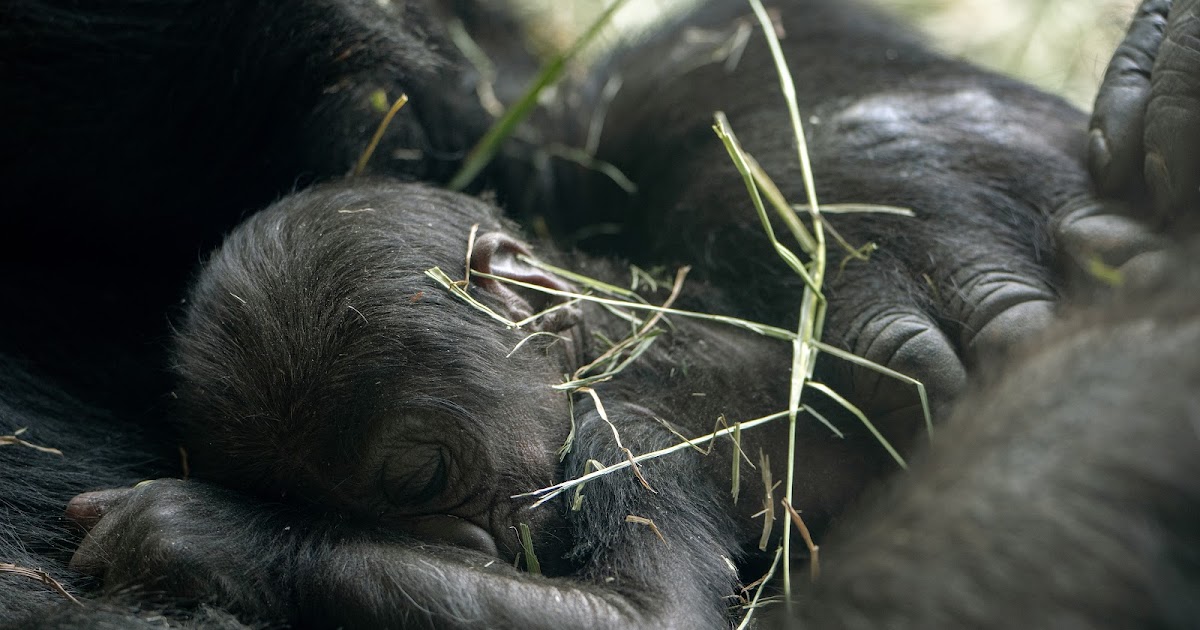
Summary of The first of two pregnant gorillas gives birth at the zoo: Jamani becomes second-time mom!:
A baby western lowland gorilla was born at Woodland Park Zoo on May 18, following an eight-and-a-half-month gestation period. Jamani, the mother, has displayed good maternal behavior, keeping the newborn close and nursing properly. Both the mother and baby are currently in a private sleeping area to bond and are being closely monitored by staff. Nadaya is the first-time dad, while Olympia, another gorilla at the zoo, is also expected to give birth soon. The zoo has a total of 12 western lowland gorillas and offers opportunities for visitors to help conserve gorilla habitats through various programs.
- Jamani, a western lowland gorilla, recently gave birth at Woodland Park Zoo.
- Gorillas have critical early life stages, which make up the first 72 hours after birth.
- The zoo provides a carefully managed habitat for gorillas, focusing on both animal welfare and conservation education.
- The zoo’s gorilla population reflects successful breeding and management efforts.
- Conservation initiatives are vital for the survival of western lowland gorillas.
Jamani, a western lowland gorilla at Woodland Park Zoo, has captured the public’s attention by giving birth to a healthy baby on May 18 at 5:50 a.m. (PDT) after an eight-and-a-half-month gestation period. This event marks a significant milestone for both Jamani, as a second-time mother, and the zoo which is engaged in the active preservation of this endangered species.
The birth represents not just a moment of joy but also the culmination of extensive knowledge surrounding gorilla health and reproduction. Gorillas can exhibit complex maternal behaviors, and observing these within the first few days is crucial for both the infant’s well-being and the success of the mother. Martin Ramirez, Curator of Mammalogy at Woodland Park Zoo, emphasized that the first 72 hours of a newborn gorilla’s life are particularly critical. These early days are not just about survival; they also set the foundation for physical and emotional development. Caregivers closely monitor interactions between Jamani and her baby to ensure that essential behaviors—like the infant’s grasping reflex and nursing—are occurring as expected.
Current practices in gorilla care derive from a background of extensive research. Gorillas typically are born with a strong instinct to cling to their mothers. Observations indicate that these infants instinctively grasp their mother’s fur. This initial bonding is essential for fostering a secure attachment, which influences their social behavior as they grow. Specialists at the zoo are prepared to intervene only if necessary, favoring a hands-off approach to encourage natural maternal behaviors.
Gorillas generally give birth in secluded settings, which is also a key management strategy employed at Woodland Park Zoo. Jamani and her baby are currently in a quiet den that allows them to bond without disturbances. Such environments promote a calming atmosphere, which is beneficial for both the mother and infant. Staff will monitor their interactions through visual checks to ensure that Jamani is demonstrating appropriate maternal instincts while limiting any external stressors.
The attentive care extends beyond the immediate postpartum period. As the new mother continues to showcase positive maternal behaviors, zoo staff will gradually assess the baby’s health by conducting neonatal exams. These assessments will cover vital signs, nursing frequency, and physical development, ensuring the infant benefits from high-quality maternal care.
Jamani’s situation also highlights her rich background as a successful mother. Her first offspring was born in 2012. This experience likely aids in her maternal skills as she navigates motherhood for the second time. Having seen Jamani and fellow gorilla Olympia raise their first sons together, it’s a testament to social structures among captive gorillas. Such camaraderie can positively influence parenting patterns, often leading to shared knowledge among mothers.
At Woodland Park Zoo, managing gorilla populations involves not just individual care but also broader conservation efforts. The facility currently houses 12 western lowland gorillas split into two family groups. The first group contains a silverback male named Kwame and several females, while the second includes Nadaya, another silverback, and Jamani with her new baby. This diversified group structure is carefully calculated to promote healthy genetic diversity while also emphasizing social interactions that are natural for the species.
Breeding programs in zoos have become essential components of conservation strategies aimed at preserving endangered species. Status assessments of western lowland gorillas indicate decreasing populations, primarily due to habitat loss and poaching. By maintaining a genetically diverse and stable population within accredited zoos, these facilities are actively contributing to the long-term survival of the species. Breeding initiatives are carefully regulated, supported by the Species Survival Plan (SSP) that oversees breeding across various institutions to avoid inbreeding and maintain genetic health.
In addition, educational outreach forms a foundational aspect of zoo missions worldwide. Visitors play a crucial role in conservation, as admission fees often contribute funds for wildlife preservation efforts. At Woodland Park Zoo, a portion of every ticket sold helps protect gorilla habitats, particularly in the wild. Programs like ECO-CELL encourage recycling of electronic devices, which provides funding for the preservation of the gorilla’s rainforest environment.
The interconnectedness between zoo management, societal efforts, and wildlife conservation is stressed in comprehensive educational programs. Programs designed to engage the public provide opportunities for learning about the unique challenges gorillas face. For instance, the option to adopt a gorilla not only supports their care but also fosters a sense of community and responsibility towards wildlife.
Efforts aimed at conservation are increasingly vital, given the alarming status of western lowland gorillas. Habitat destruction, hunting, and diseases like Ebola have led to population declines that threaten their survival. Engaging in zoo initiatives allows individuals to contribute to the fight against these pressing issues actively.
By establishing a nurturing environment and implementing targeted breeding practices, Woodland Park Zoo demonstrates effective conservation strategies. The recent birth of Jamani’s baby serves as a beacon of hope and positive progress in the challenging landscape of wildlife conservation. Each birth not only enriches the zoo’s family dynamic but also enhances collective understanding of gorilla care, breeding, and the importance of protecting their natural habitats.
Gorilla populations face numerous obstacles that threaten their existence. Yet, facilities dedicated to their care show how proactive management strategies can facilitate both animal welfare and educational outreach. Working towards conservation not only involves meticulous care of gorillas like Jamani and her newborn but also inspires communities to engage with wildlife stewardship.
The recent birth has captured community interest and highlights how individual animals play pivotal roles in broader conservation narratives. Each interaction between Jamani and her baby becomes a learning moment that reinforces the notion that wildlife conservation is a collective effort. By fostering knowledge about gorillas, their habitat, and the intricacies of care that species like Jamani require, Woodland Park Zoo strengthens connections between humans and the natural world.
