
- Understanding Sloth Behavior and Ecology
- The Life of the Brown-Throated Three-Toed Sloth
- David: The Connection Between Humans and Sloths
- Conservation Efforts for Sloths and Their Habitats
- The Overall Importance of Education and Awareness
Understanding Sloth Behavior and Ecology
Sloths are fascinating animals known for their slow movements and unique adaptations. As part of the Bradypodidae family, the brown-throated three-toed sloth (Bradypus variegatus) is one of the most well-known species and typically inhabits the tropical rainforests of Central and South America. These animals are herbivores, primarily feeding on leaves, fruits, and flowers. Their diet is low in calories and nutrients; therefore, sloths have evolved to have a slow metabolism, often spending up to 20 hours a day resting and sleeping.
The adaptations of sloths go beyond their dietary habits. They possess long, curved claws that allow them to grasp branches easily while hanging upside down. This position provides several advantages: it protects them from predators and allows them to conserve energy. With a low body temperature and minimal activity, sloths are perfectly adapted to their environment, although this lifestyle makes them vulnerable to habitat destruction and climate change.
Sloths have a symbiotic relationship with the algae that grow on their fur. This not only provides them with camouflage from predators but also serves as an additional food source when other food items become scarce. Their slow movements and specific ecological niches highlight their unique roles in the ecosystem. By understanding sloth behavior, we gain insight into their evolutionary history and significance within their habitats.
The Life of the Brown-Throated Three-Toed Sloth
Brown-throated three-toed sloths typically live about 20 years in the wild and can reach up to 30 years in captivity. Reproductive habits can be quite interesting. Female sloths usually give birth to one offspring after a gestation period ranging between six and eleven months. The young cling to their mother’s fur and remain dependent on her for several months. By the age of three, young sloths learn to be more independent, but they may remain in their maternal range even longer for social interaction and additional learning.
Communication among sloths is generally silent but not absent. They engage in vocalizations, especially during the mating season. Mothers communicate with their offspring through specific calls. Additionally, there is evidence that sloths may emit certain sounds to warn others of dangers nearby. This communication is subtle but essential for their social life, particularly when young sloths are learning the ropes of survival.
The brown-throated three-toed sloth’s habitat comprises a delicate environment, filled with diverse flora and fauna. The sloth plays a vital part in this ecosystem by contributing to the health of the forest. They help in seed dispersal through their droppings, which contain seeds that germinate and grow into new plants. This role emphasizes their importance in maintaining the balance of their ecosystem.
David: The Connection Between Humans and Sloths
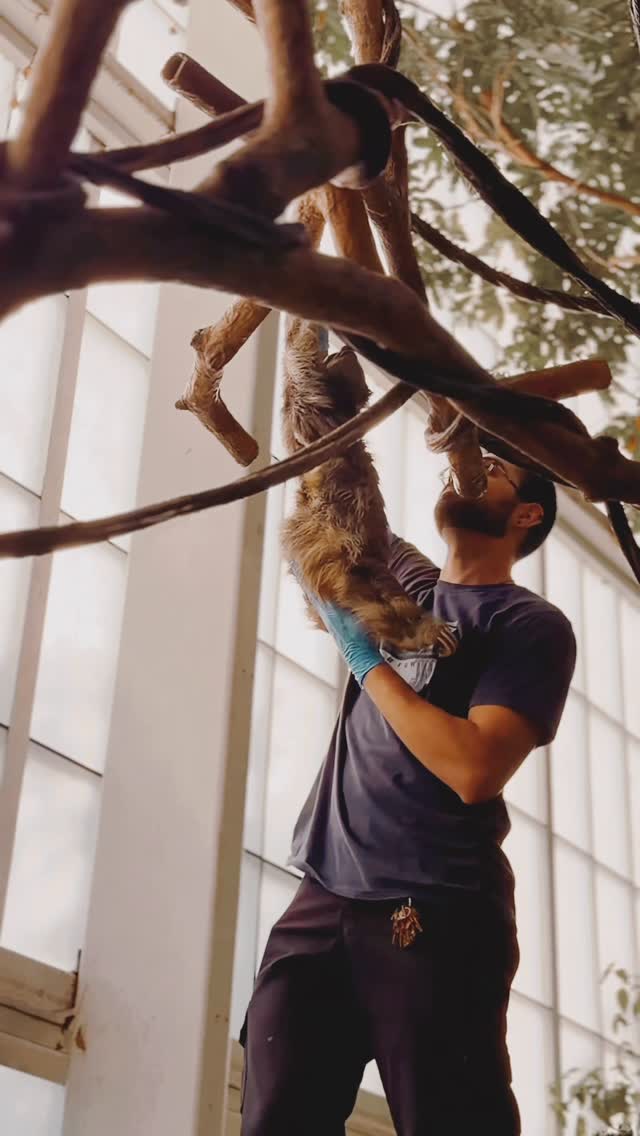
Sloths, like David, offer us an opportunity to explore the important relationship between humans and wildlife. Interactions with animals can significantly enhance our understanding and appreciation of them. David might be characterized as a “favorite” person to the brown-throated three-toed sloth, showcasing the bond that can form through nurturing and care. These animals respond positively to gentle touch and consistent handling, leading to mutual affection and trust.
Education plays a crucial role in fostering connections. When visitors come to meet David and the sloth, they develop a deeper appreciation for the species. These interactions can serve as learning experiences, where guests gain insights into sloth behavior, habitat preservation, and the challenges these creatures face in the wild. Each meeting represents an opportunity to cultivate awareness, enhancing public knowledge about wildlife and the ecosystem.
Moreover, trained caretakers like David contribute to the well-being of sloths in captivity. Their knowledge of animal behavior ensures that the sloths receive proper care, including nutrition, veterinary attention, and a suitable living environment. Proper handling practices maintain the mental and physical health of these animals, creating opportunities for them to thrive and continue fostering connections with the community.
Conservation Efforts for Sloths and Their Habitats
Conservation is essential for the survival of sloths and their habitats, as many species face threats from habitat loss, climate change, and illegal poaching. The brown-throated three-toed sloth, while currently not endangered, is vulnerable due to deforestation and the destruction of their rainforest habitats. Conservation actions aim to mitigate these threats and involve multiple stakeholders.
One of the primary conservation efforts is habitat protection. This involves setting up reserves and protected areas where sloths can thrive without human interference. These areas are crucial for preserving biodiversity and ensuring healthy ecosystems. In addition to habitat protection, organizations work to educate local communities about the value of sloths within the ecosystem, enabling them to advocate for sustainable land-use practices.
Another aspect of conservation is rehabilitation efforts for sloths that have been rescued from harmful situations. Sanctuaries play a significant role in providing care for injured or orphaned sloths. These facilities often engage in public education, using their platforms to raise awareness about wildlife protection.
Additionally, research initiatives focus on studying sloth behavior and ecology to better inform conservation strategies. By understanding their needs and the relationships they maintain within their habitats, researchers can contribute vital information to help guide conservation actions.
The Overall Importance of Education and Awareness
Education is a powerful tool in wildlife conservation. By promoting awareness about the brown-throated three-toed sloth, organizations can inspire people to take action. Education programs aim to engage diverse audiences, expanding interest beyond traditional environmentalists to individuals who may not have previously considered wildlife conservation. The more people learn about sloths, the more they recognize their value and the need for protection.
Informative campaigns can utilize various platforms to reach a broader audience. Social media posts, community events, and educational programs can all be instrumental in sharing knowledge about sloths and the importance of conservation efforts. This engagement creates a ripple effect, encouraging individuals to share information and inspiring further advocacy.
In classrooms, education can focus on the broader implications of biodiversity loss. Students can learn about the interconnectedness of ecosystems and the role that sloths play within them. Additionally, discussions about habitat destruction, climate change, and wildlife trafficking can help shape informed citizens who care about the environment.
Through efforts to engage the public, education can contribute not only to the protection of sloths but also to a larger understanding of the environmental issues facing diverse species worldwide. By raising awareness, communities can unite to take action toward a sustainable future, fostering a deeper appreciation for wildlife and enriching the global conservation movement.
The dynamics between David and the brown-throated three-toed sloth exemplify the bond between humans and wildlife. Every encounter contributes toward a greater understanding of sloths, their ecological relevance, and the urgent need for conservation action. Through education, awareness, and responsible stewardship, we can make significant strides toward safeguarding the future of these remarkable creatures and their habitats.
*****
Source Description
It’s pretty easy to tell that David might be our brown-throated three-toed sloth’s favorite person. 🦥🤎
Have you visited our sloth?
