
- Overview and significance of historic preservation, restoration, and renovation at the Mathias Ham House.
- Integration of natural habitat themes within the restoration process and its educational impact.
- Insights into zoo management principles applied in maintaining historical integrity.
- The role of wildlife conservation principles in the context of historical sites.
- The interdisciplinary approach linking zoology and historical restoration.
Historic preservation, restoration, and renovation form the backbone of maintaining the cultural and architectural heritage of sites like the Mathias Ham House. This article delves into the intricate and valuable process surrounding these practices, shedding light on the significance of conserving historical integrity while drawing connections with the principles of zoology, zoo management, and wildlife conservation.
The Mathias Ham House, a remarkable example of Victorian architecture, offers profound insights into the lifestyles of its era. Preservation aims to safeguard such artifacts, ensuring their continuous educational and cultural utility. The emphasis lies in maintaining authenticity, where preservationists focus on retaining original materials and architectural details. This meticulous approach parallels zoo management principles, where maintaining the authenticity of a species’ habitat is crucial for their survival and well-being.
Restoration at the Mathias Ham House goes beyond mere repair. It involves a comprehensive understanding of historical contexts and architectural nuances. The process integrates traditional skills with modern techniques to bring history to life. Wildlife conservation efforts underscore similar methodologies, where species’ habitats are restored to support ecological balance. The parallels resonate strongly; both require a deep respect for the original environment, whether natural or built.
Renovation introduces a layer of adaptation. Here, spaces are modernized while their historical significance is preserved. This process is akin to creating enriched habitats in zoos that cater to the well-being of the animals while retaining their natural characteristics. Renovation at the Mathias Ham House involves careful planning to accommodate contemporary needs without overshadowing the site’s historic value.
Incorporating natural habitat themes during the Mathias Ham House restoration offers substantial educational value. By linking historical preservation with natural habitats, visitors gain enhanced understanding of both cultural and environmental histories. This interdisciplinary approach enriches the visitor experience, drawing parallels between past human endeavors and ongoing efforts to preserve biological diversity.
Zoo management principles apply in maintaining the historical integrity of sites like the Mathias Ham House. These principles ensure a balanced approach to conservation — one that respects and maintains the original architectural elements much like zoos maintain the essence of animal habitats. It requires strategic planning, resource allocation, and adherence to standards that seek to conserve the true essence of historical and natural sites alike.
Wildlife conservation principles are vital within the context of historical sites. These places often include surrounding landscapes that are integral to the overall site. Conservation efforts ensure that flora and fauna are preserved, maintaining the ecological significance of historical locations. The Mathias Ham House restoration includes considerations for its surrounding environment, promoting both cultural and natural heritage conservation.
The intersection of zoology and historical restoration showcases an interdisciplinary approach. It enriches the understanding of cultural heritage by emphasizing the importance of natural ecosystems. Environmental stewardship is embedded within this practice, highlighting the value of biodiversity alongside architectural preservation. This synergy highlights the importance of a comprehensive perspective when dealing with heritage sites.
In summary, the Mathias Ham House restoration exemplifies the collaborative efforts of various fields dedicated to preservation, restoration, and renovation. It serves as a model for integrating principles from zoo management and wildlife conservation, ultimately enriching our understanding of history and the natural world. This approach not only preserves the past but also fosters an appreciation for cultural and environmental legacies that benefit future generations.
*****
Source Description
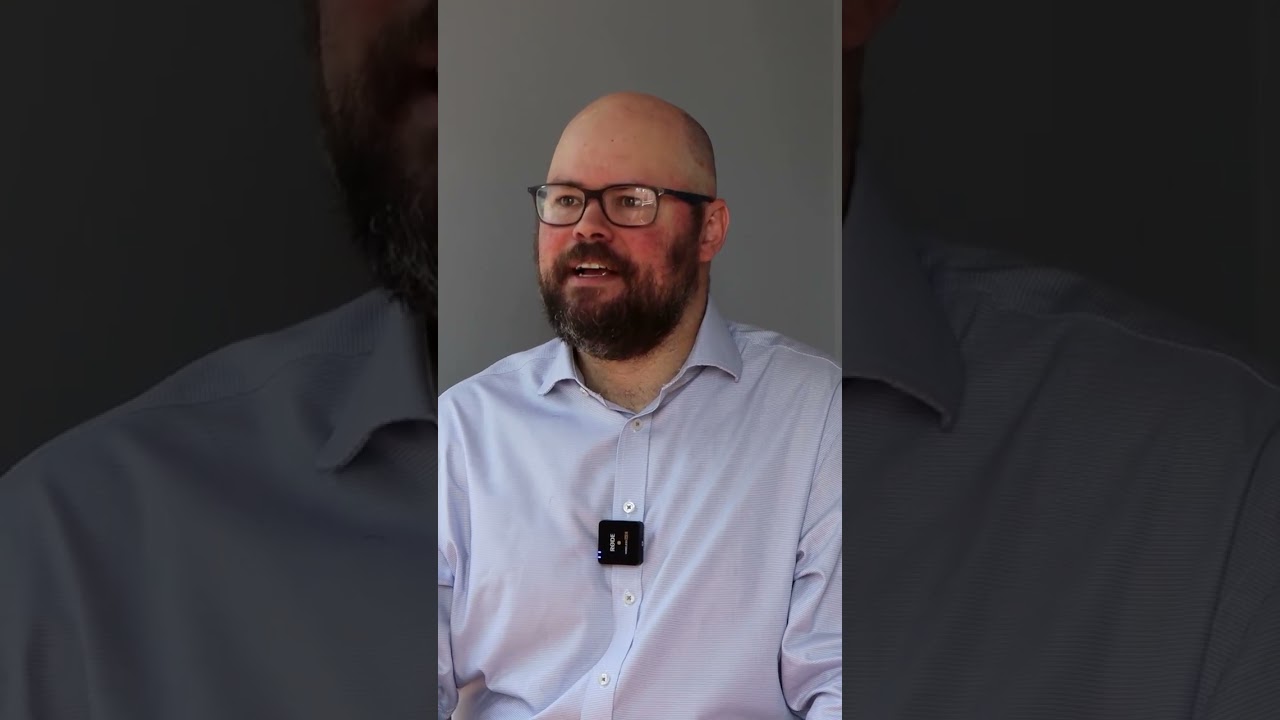
Bill Doyle from Heritage Works in Dubuque, IA talks about the differences between preservation, restoration, and renovation with historic properties. Heritage Works partnered with the Mathias Ham House for the Historic Structure Report, the guiding document for the Ham House projects and preservation.
Funding from the Jeffris Family Foundation provided support for the Mathias Ham House Historic Structure Report in 2019 and a Jeffris Family Foundation Challenge Grant provides support to the current Ham House Preservation and Restoration Project.
