
- The role of animals in educational settings and community engagement
- Criteria for animal superlative awards and their significance
- Profiles of notable animal winners and their unique traits
- The importance of animal welfare and conservation in zoos
- Reflecting on the broader impact of animal recognition programs in wildlife education
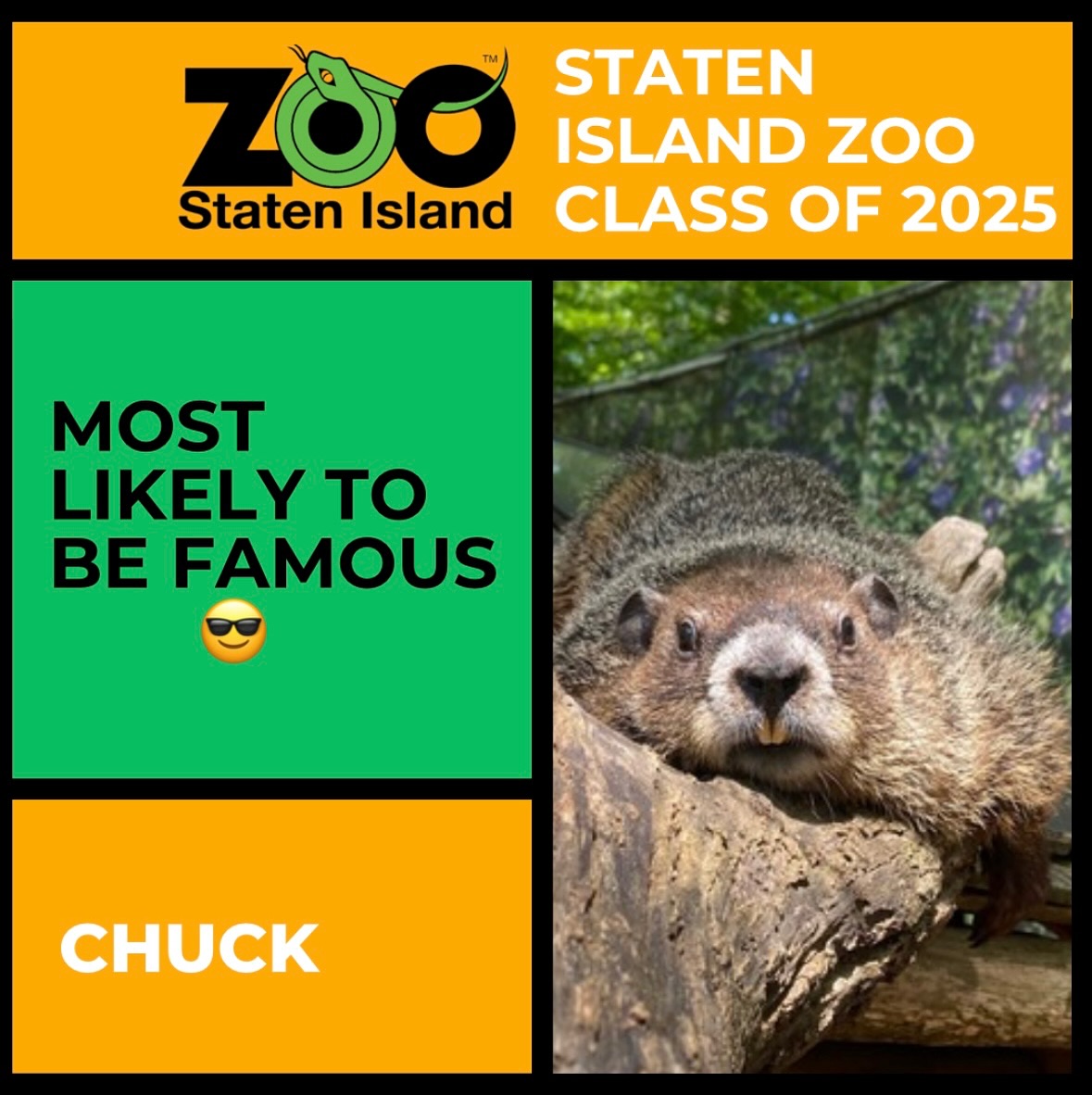
Prom crowns have been claimed, but there’s still plenty to celebrate as the school year winds down. The announcement of the Staten Island Zoo Senior Superlatives highlights the unique personalities and traits of various animals, showcasing the zoo’s commitment to education and community engagement. These superlatives not only recognize individual animals but also serve as a platform for discussions about wildlife, conservation, and the importance of animal welfare.
Animals play a crucial role in educational settings, fostering connections between people and wildlife. They serve as ambassadors for their species, helping to illuminate issues such as habitat loss, climate change, and biodiversity decline. Engaging the community through initiatives like animal superlative awards encourages visitors of all ages to learn about animal behaviors, habitats, and conservation efforts. The educational significance of the zoo is magnified through these interactive experiences, making wildlife education accessible and engaging.
The criteria for these superlative awards often reflect distinct physical traits, behavioral characteristics, and social dynamics. For example, categories like Best Hair and Cutest Couple highlight the animals’ unique physical attributes or interactions between species. Each category carries importance beyond just a title, emphasizing the diversity present within the animal kingdom. Recognizing individual traits allows visitors to appreciate the complexity and variety of animal behaviors, prompting discussions about their natural habitats and evolutionary adaptations.
Specific animals stand out in various categories due to their remarkable characteristics. For instance, a fluffy Arctic fox may win the Best Hair title, showcasing not just its striking appearance but also adaptations for survival in cold climates. Such recognition provides an opportunity to discuss the ecological challenges faced by Arctic foxes. Similarly, a playful pair of otters might earn the title of Cutest Couple, drawing attention to their social behaviors and the importance of family structures in animal species. Each award illuminates unique traits while simultaneously educating the public.
The importance of animal welfare and conservation cannot be overstated in modern zoos. Programs that recognize animal traits and behaviors foster a greater appreciation for their needs, driving home the message that animals are not just exhibits but sentient beings deserving of care and respect. Accredited zoos adhere to high standards, ensuring that animals live in suitable environments that promote natural behaviors. The commitment to animal welfare translates into conservation efforts as zoos contribute to breeding programs, habitat restoration, and public awareness campaigns aimed at protecting endangered species.
Recognizing animals through superlative awards can extend beyond individual traits to embrace larger themes in wildlife conservation. For example, a category like Most Inspiring Wildlife Ambassador may focus on an animal that has become a symbol for conservation efforts. Such animals often participate in educational programs that teach visitors about their species’ plight. By elevating these ambassador species, zoos can create deeper connections between the creatures and the community, inspiring action for conservation initiatives.
The broader impact of award programs extends into community engagement. Events that highlight animals and celebrate their characteristics create excitement and curiosity among visitors. Such initiatives can lead to higher attendance, fostering funds for conservation projects, habitat restoration, and educational programming. Engaging the public encourages individual involvement in environmental stewardship. When community members participate in programs at their local zoo, they gain insight into the broader narrative of wildlife conservation, realizing that every action counts.
Moreover, superlatives can prompt ongoing discussions about the implications of animal traits in the wild. For example, when a particular animal receives the title of the Loudest Call, it opens the door for conversations about communication in the wild, mating behaviors, and territory establishment. Understanding how animals interact with one another not only informs visitors about social structures but also enhances the appreciation for the intricacies of ecosystems.
Animals are often judged based on criteria that may seem lighthearted or whimsical; however, there is a serious underlying message. Recognizing animal qualities allows discussion around adaptation, evolution, and survival strategies. Such insights can trigger a shift in perceptions, encouraging visitors to see animals not only for their entertainment value but as integral components of their ecosystems.
Zoological institutions across the country adopt various techniques to engage visitors and raise awareness. Similar to the Staten Island Zoo’s superlative awards, other zoos recognize animal accomplishments, behaviors, and traits. This recognition can occur through photography contests, themed events centered around animal traits, or community voting on specific attributes. The collective goal remains the same: to weave knowledge into the fabric of fun, making it easy for visitors to engage and learn.
The role of zoos in these educational initiatives is vital. They act as caretakers of biodiversity, hosting species that may be critically endangered in the wild. In showcasing the behaviors and characteristics of these animals, zoos fulfill an educational mission. They shape the future generation of wildlife advocates who will be passionate about conservation. Topics covered through these interactions can ignite a spark of interest; young visitors may exit the zoo more informed and dedicated to supporting animal welfare efforts long after their visit.
Innovative strategies for community outreach also enhance the impact of programs like animal superlatives. Guided tours, educational workshops, and hands-on programs for children can embed wildlife education into the community. Such activities can effectively supplement discussions around animal traits, reinforcing the importance of each species. Hosting sessions where visitors can discuss what they have learned empowers community members to take ownership of local conservation initiatives.
As we celebrate our Staten Island Zoo Senior Superlatives, it becomes clear that this recognition is about more than just animals. It’s an invitation to engage in thoughtful conversations about wildlife, conservation, and the intricate balance of ecosystems. Each animal showcased represents a chapter in the larger story of biodiversity, shedding light on species that might otherwise remain overlooked.
Through these initiatives, zoos become hubs of education and conservation, ensuring that the knowledge gained is transferred to future generations. The titles bestowed upon animals like the Best Hair or Cutest Couple invite a level of whimsy while effectively combining entertainment with educational goals.
Community members are encouraged to reflect on the traits they admire in these animals, fostering deeper connections to wildlife. When individuals consider why a particular animal is deserving of their title, they confront broader questions about conservation and their role in protecting these unique creatures.
Encounters at the zoo provide invaluable opportunities to encourage environmental stewardship. The recognition of animal traits can spark curiosity in visitors, resulting in a desire to learn more, whether through books, documentaries, or community conservation efforts.
The Staten Island Zoo’s Senior Superlative event stands as a reminder of the importance of active participation in wildlife advocacy. Each award given to an animal serves as a catalyst for change, fostering awareness and commitment to animal welfare efforts in the community. Visitors, educators, and wildlife enthusiasts alike can learn from these initiatives, embracing the responsibility of caring for our planet and its inhabitants. Each title reflects a charming aspect of nature, urging us all to pay attention to the animal kingdom and its implications for environmental health.
*****
Source Description
Prom crowns have been claimed, but we’re not done celebrating just yet. As the school year comes to a close, it’s time to announce our Staten Island Zoo Senior Superlatives!
From Best Hair to Cutest Couple, these animals stood out in all the right ways.
Check out the winners and let us know who you think nailed their title!
