
- Pumpkins as a Versatile Enrichment Source for Gorillas
- Nutritional Benefits of Pumpkins for Zoo Animals
- Insights into Gorilla Behavior and Natural Habitats
- The Role of Seasonal Enrichment in Animal Wellbeing
- Community Engagement and Education on Wildlife Preservation
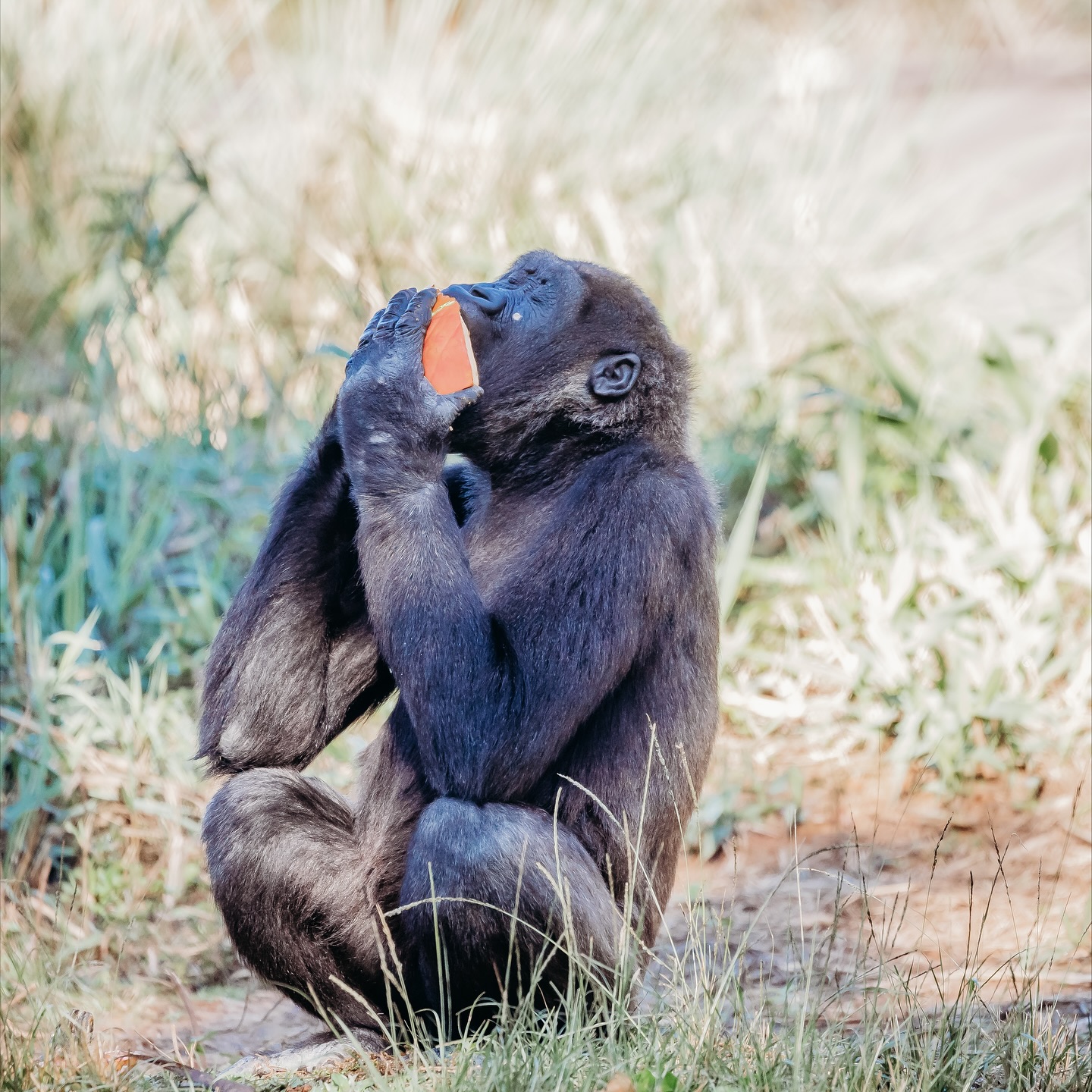
Pumpkins aren’t just for pie! This seasonal favorite plays a crucial role in the enrichment of many animals at zoos, particularly our gorillas. These fascinating creatures love exploring and tasting pumpkins, making them an essential component of their daily activities. Seasonal enrichment, such as pumpkins, not only stimulates the physical and mental abilities of gorillas but also provides a unique opportunity for education and engagement in wildlife conservation.
Pumpkins as a Versatile Enrichment Source for Gorillas
Enrichment is a key component of modern zoo management. It helps replicate the challenges animals face in the wild. For gorillas, pumpkins provide a multitude of sensory experiences. These large gourds can be hidden or suspended, encouraging gorillas to problem-solve and forage as they would in their natural habitats. The texture of pumpkin skin offers tactile stimulation, while the vibrant orange color and distinct smell engage their visual and olfactory senses.
Through exploration and interaction, gorillas exhibit natural behaviors, enhancing their overall wellbeing. Observing gorillas manipulating pumpkins can provide insights into their cognitive skills and adaptability. Zookeepers often use pumpkins as part of larger enrichment strategies to promote physical exercise and mental stimulation within the gorilla troop.
Nutritional Benefits of Pumpkins for Zoo Animals
Pumpkins are not only fun for gorillas but also nutritionally beneficial. They are high in vitamins A and C, essential for maintaining a healthy immune system. The fiber content in pumpkins aids in digestion, contributing to overall gut health. This is particularly important in zoos, where diet management is critical to prevent obesity and related health issues.
Incorporating pumpkin into the gorillas’ diet offers a seasonal treat that varies their nutritional intake. It can be served raw, pureed, or even roasted, providing a variety of experiences with different textures and flavors. When pumpkin is introduced in moderation, it can be a rewarding snack, reinforcing positive behaviors during training sessions.
Insights into Gorilla Behavior and Natural Habitats
Understanding gorilla behavior is crucial for effective zoo management. Gorillas are naturally curious and social animals. They thrive in environments that allow them to express their instincts and interact with one another. In the wild, areas such as rainforests and woodlands provide ample opportunities for exploration and socialization.
Zoo environments aim to replicate these habitats while ensuring the safety and wellbeing of the animals. Seasonal enrichment, like pumpkins, becomes a vital tool in promoting natural behaviors. Gorillas can engage in activities that mimic foraging and social interactions, leading to healthier dynamics within the troop. Observing how gorillas interact with pumpkins offers valuable data on their preferences and behaviors, aiding zookeepers in creating more engaging environments.
The Role of Seasonal Enrichment in Animal Wellbeing
Seasonal enrichment is a crucial aspect of animal care in captivity. It addresses the psychological and physical needs of animals, contributing to improved welfare. Each season brings a new opportunity for enrichment and engagement, making experiences fresher and exciting for the animals.
The use of pumpkins in fall aligns with natural cycles that animals would experience in their habitats. Seasonal changes impact wildlife behavior; thus, offering seasonal items can evoke natural instincts. As gorillas engage with pumpkins, zookeepers can monitor their activities, which provides essential feedback on both animal health and the effectiveness of enrichment practices.
By rotating seasonal enrichments, zookeepers can maintain high levels of interest and engagement. It also introduces diversity to the animals’ diets, promoting a balanced intake of necessary nutrients while keeping the experience enjoyable.
Community Engagement and Education on Wildlife Preservation
Whether it’s around Halloween or Thanksgiving, pumpkins offer a unique platform for educating the public about wildlife preservation. When zoos utilize pumpkins as enrichment tools, they create an excellent way to involve the community. Educational programs can revolve around topics such as gorilla conservation, the importance of biodiversity, and sustainable practices in agriculture.
Social media campaigns can further extend the impact of these activities. Sharing images and videos of gorillas interacting with pumpkins sparks interest and engagement. It encourages viewers to appreciate wildlife and fosters a greater understanding of their role in conservation.
Community engagement has a ripple effect, promoting support for wildlife conservation projects and furthering the conversation about protecting natural habitats. By showcasing how pumpkins aren’t just for pie, zoos can inspire individuals to consider their impact on the environment and take an active role in ensuring a safer future for both animals and ecosystems.
Incorporating all these elements demonstrates how pumpkins serve as more than just seasonal treats; they become integral components of animal wellness and education. As zoos invest in these types of enrichment activities, they improve the quality of life for animals while fostering a broader understanding of conservation efforts.
By participating in pumpkin enrichment activities, zoos not only serve the needs of captive animals but also cultivate a connection with the public. This relationship is essential for fostering a culture of awareness and respect for all living beings, further advancing the cause of wildlife conservation. Understanding the importance of items like pumpkins helps shed light on the myriad ways humans can positively impact animal welfare in captivity.
Engaging with pumpkins may be a simple yet effective practice, but its implications are profound. It challenges the notion that certain foods serve only culinary purposes and demonstrates an interconnectedness between humans, animals, and the environment. In that respect, pumpkins truly aren’t just for pie.
*****
Source Description
Pumpkins aren’t just for pie! 🥧
Our gorillas love exploring, tasting, and playing with their seasonal pumpkin enrichment. 🎃🦍
What’s your favorite fall treat? Let us know in the comments below!
