
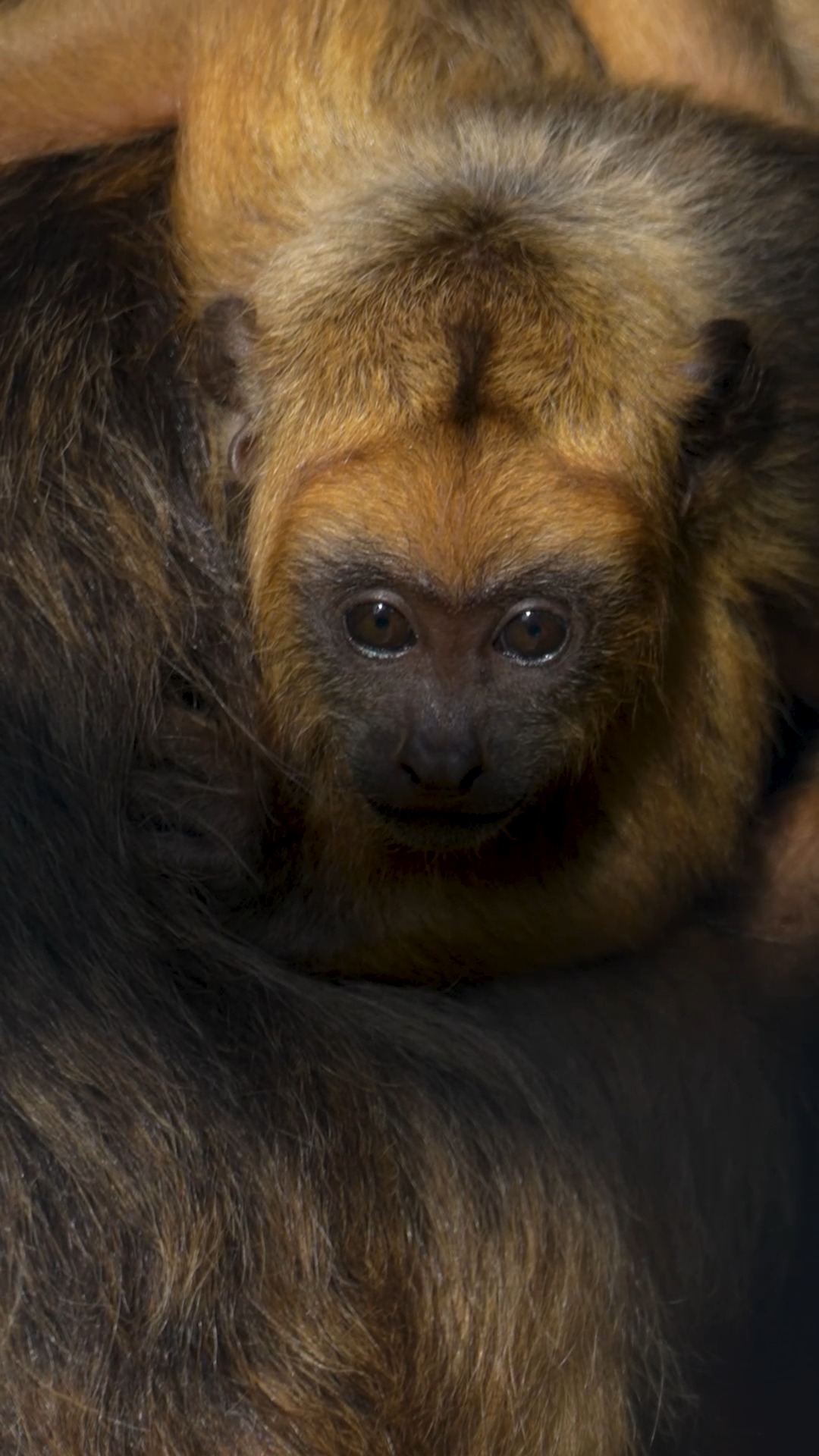
- The rapid growth and development of baby howler monkeys
- The behavioral traits and social structure of howler monkeys
- The role of howler monkeys in their ecosystem
- Challenges faced by howler monkeys in the wild
- Conservation efforts and their importance for howler monkey populations
The rapid growth and development of baby howler monkeys presents an exciting glimpse into the early stages of life for these fascinating primates. Howler monkeys are known for their distinctive vocalizations and striking appearance, featuring long limbs, prehensile tails, and a robust body. The baby howler monkey’s early weeks are vital for learning survival skills and social behaviors. In a few short months, they transition from a dependent infant to an exploratory juvenile eager to engage with their environment.
During the first months, baby howler monkeys are cared for primarily by their mothers, who provide not only physical nourishment but also emotional support. The young monkeys cling tightly to their mothers, which is essential for both protection and learning. During this period, they acquire social cues by observing their mothers and other adults. Observations show that baby howler monkeys often imitate behaviors such as foraging and grooming. The mother’s guidance plays a crucial role in laying the foundation for the infant’s future interactions within the troop.
As the baby grows, it becomes increasingly curious and starts to venture away from its mother. This exploration phase is critical as the young monkey begins to interact with its environment independently. Baby howler monkeys exhibit play behaviors during this stage, essential for developing motor skills and social bonds. These playful antics not only engage the young monkeys physically but also help foster relationships among the troop members. Watching a baby howler monkey take its first leaps between branches is a delightful sight and a pivotal moment in its development.
The social structure of howler monkey groups also plays a significant role in the early life of the young. Typically, these monkeys live in groups that can range from a few individuals to several dozen, led by an alpha male. This social organization affords the baby howler opportunities to interact with different members of the troop, which is beneficial for learning established social norms. The collective behavior of the group encourages a supportive environment where young monkeys can practice their social skills freely.
As the baby howler monkey grows older, it begins to take part in vocalizations, showcasing the species’ characteristic howls. These vocalizations serve multiple purposes, including establishing territory and communicating with the group. Continued exposure within the troop allows the young monkey to refine its vocal skills, which are critical for its social integration. The sound distinction also helps to bond the members of the group, serving as a means of cohesion in dense forest environments.
Understanding the behavioral traits of howler monkeys can provide insights into their role within their ecosystem. As primarily herbivores, howler monkeys have a significant impact on their habitats. They are known for consuming leaves, fruits, and flowers, and through their feeding habits, they contribute to seed dispersal. This role enhances plant biodiversity and helps maintain forest health. The interactions between howler monkeys and their food sources highlight the importance of their presence in tropical ecosystems.
In addition to their ecological contributions, howler monkeys are also essential indicators of environmental health. As sensitive creatures, changes in their population dynamics can indicate the overall state of their habitat. Various factors, such as deforestation, habitat fragmentation, and climate change, pose serious challenges to howler monkey populations. Their sensitivity to disturbances makes long-term population trends an essential issue for conservationists.
The threats faced by howler monkeys cannot be overstated. Habitat loss due to logging and agricultural expansion has drastically reduced the areas where these monkeys can thrive. Road construction and urban development further fragment their habitats, isolating groups and reducing genetic diversity. The population decline in some regions has led to alarm among conservationists and researchers who recognize the urgency of addressing these challenges.
In recent years, conservation efforts have gained momentum to protect howler monkeys and their habitats. Various organizations are working tirelessly to restore degraded areas and promote sustainable land use practices. By establishing protected areas and engaging local communities, conservationists aim to raise awareness and foster stewardship of these unique ecosystems. Community-led conservation initiatives often involve educating locals about the ecological importance of howler monkeys and the benefits of preserving their habitat.
Research plays a vital role in these conservation efforts. By studying the behavior and ecology of howler monkeys, scientists can develop strategies to protect their populations effectively. Understanding their social structures, breeding behaviors, and nutritional needs helps in creating informed conservation policies. Genetic studies provide insights into population health, enabling targeted efforts to prevent inbreeding and loss of genetic diversity.
Zoos and wildlife reserves have also contributed to the efforts in preserving howler monkeys. Many facilities are now involved in breeding programs designed to maintain genetic diversity within captive populations. These programs not only help in potential rewilding efforts but also serve as educational platforms that raise awareness about the challenges faced by howler monkeys in the wild. Engaging the public through educational initiatives is essential for garnering support for broader conservation strategies.
Engaging the public is a critical element in the success of conservation efforts. Awareness campaigns illustrate the plight of howler monkeys and highlight the importance of preserving their natural habitats. Visitors to zoos can experience close encounters with these animals, fostering a sense of connection and responsibility towards wildlife conservation. Through educational programs and interactive exhibits, zoos can inspire future generations to advocate for howler monkeys and other endangered species, enhancing global conservation efforts.
As a visitor to a zoo, you may have the opportunity to see a young howler monkey exploring its environment and engaging with troop members. The dynamic interactions among the group members are a testament to the social structure that plays a vital role in the successful maturation of these monkeys. This captivating display emphasizes the importance of understanding these animals and the ecosystems they inhabit.
Ongoing research, public engagement, and habitat protection are crucial in ensuring that howler monkeys continue to thrive in their ecosystems. By fostering a spirit of stewardship and collaboration among communities, governments, and researchers, there is hope for a balanced coexistence between human activities and wildlife. As we aim for sustainable practices, the future of howler monkeys remains intertwined with the health of their environments.
Observing a baby howler monkey can be an unforgettable experience. Their playful nature and charm are bound to capture the hearts of anyone lucky enough to witness their antics. As the young ones grow, their roles within the troop evolve, illustrating the importance of social learning and community dynamics in their lives. While opportunities to see these babies may be fleeting, the establishment of robust conservation measures will ensure that future generations can enjoy the wonders of howler monkeys and the vital ecological roles they play. The imperative now is to act with urgency and conviction in safeguarding their future and the health of their habitats.
*****
Source Description
The baby howler monkey is growing fast! If you have not had the chance to see the baby yet, you can rest assured that this young howler monkey is eager to explore the habitat on its own. Visit soon to see the adorable monkey while it is still small.
