
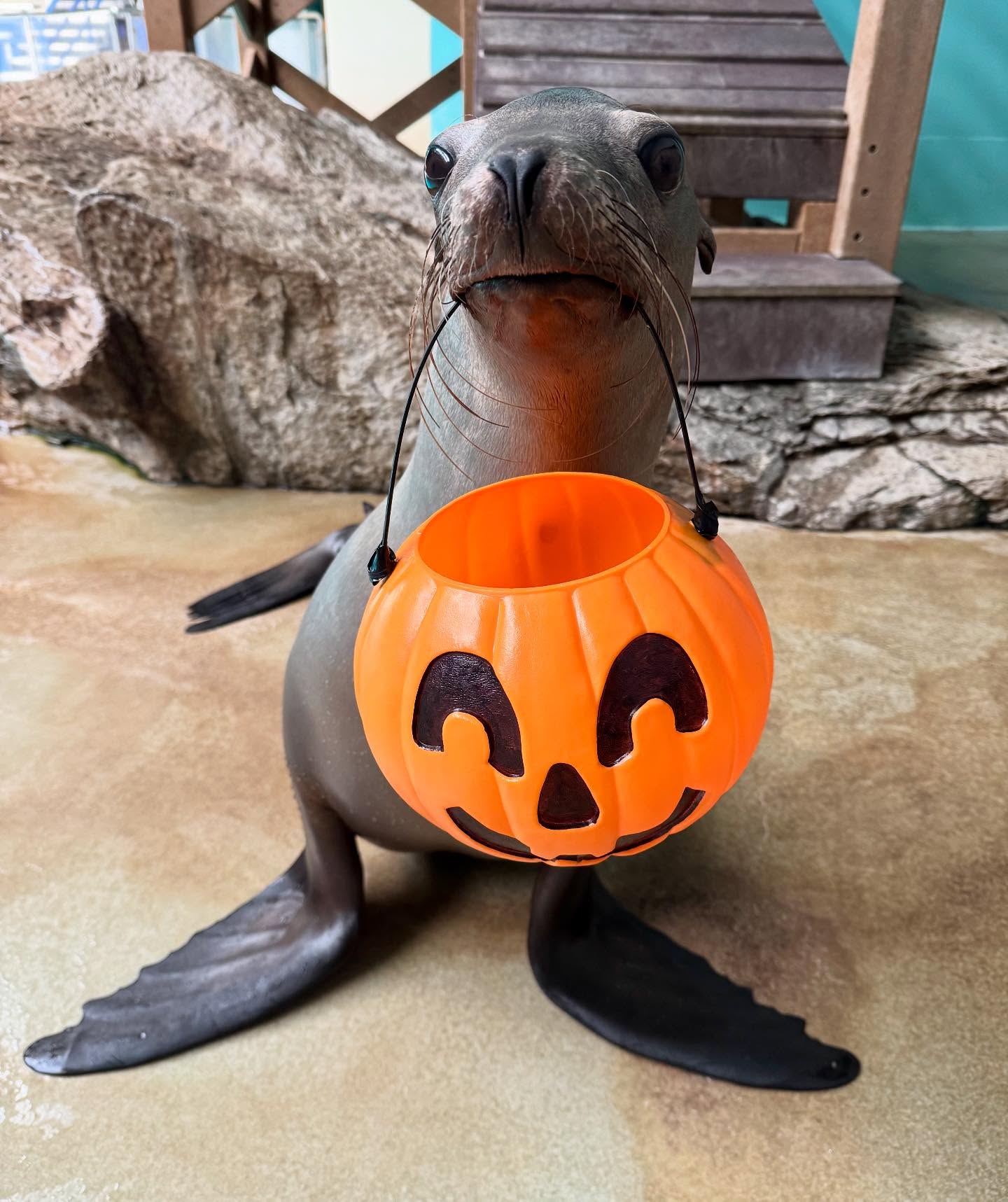
- Understanding Pyp: The California Sea Lion and Her Lack of Calendar Awareness
- The Role of Animals in Education and Outreach
- The Importance of Social Enrichment in Zoo Management
- Wildlife Conservation: The Case for California Sea Lions
- Behind the Scenes: Daily Care and Management of Sea Lions
Pyp, the California sea lion, has captured the hearts of many with her charming antics—especially her belief that every day is Halloween. This playful misunderstanding highlights a larger concept in animal behavior and cognition. Unlike humans, animals do not perceive time or seasonal changes in the same way. Scientific studies have shown that many animals have varying senses to interpret their environments. For Pyp, the calendar is an inconsequential notion. This article will explore her behavior, the educational roles animals play, the significance of social enrichment in zoo management, and why the conservation of California sea lions is vital.
Pyp represents an opportunity for education. California sea lions, or Zalophus californianus, are fascinating marine mammals native to the western coast of North America. They are known for their intelligence and social structures, forming groups that exhibit complex behaviors. Engaging with an animal like Pyp encourages public understanding of marine ecosystems. Sanctuaries and aquariums utilize educational programs centered around animal characters like her to inspire curiosity about wildlife.
Animals often become intermediaries in conveying key ecological messages. Pyp’s playful nature, especially her Halloween spirit, encourages public interaction and interest. Visitors are more likely to learn about the species and its habitat requirements when presented with relatable and engaging narratives. Educators can take advantage of Pyp’s peculiar traits to foster discussions about marine life and the impact of human activities on these animals.
Pyp’s peculiar belief illustrates a broader theme of social enrichment in captivity. Social enrichment is crucial for the well-being of during their time within zoo environments. Sea lions are naturally social creatures, thriving in groups. When living in controlled environments, they often need stimulation to maintain their mental health. Providing interactions, varying their routines, and allowing for enrichment activities keeps them active and engaged.
For example, Pyp might engage with toys, or other sea lions in her group. Activities can also include sensory experiences such as different water temperatures or varying feeding techniques. Engaging their senses shapes their behaviors and keeps them mentally stimulated, which is essential for promoting overall welfare. Without such enrichment, zoo animals may develop negative behaviors, impacting their health and lifespan.
Wildlife conservation is an increasingly critical area of focus. The California sea lion population has experienced fluctuations due to various factors, including climate change, pollution, and human interactions. Awareness raised through animals like Pyp contributes to conservation efforts. The more the public understands these animals, the more they are likely to support measures to protect their habitats.
California sea lions face threats from marine debris, food scarcity, and shifting ocean temperatures due to climate change. Education around these threats can pave the way for collective action. Using Pyp’s story in conservation initiatives can help draw attention to broader issues affecting marine life. This can lead to increased funding for research, habitat restoration, and policies aimed at protecting these seals.
Behind the scenes, the daily management of sea lions is intricate. Care starts with understanding their social dynamics—hence zoo staff must monitor their interactions closely. Feeding, health assessments, and enrichment activities are all part of standard routines. Staff must also be trained in animal behavior and emergency protocols. Care teams educated in the specific needs of sea lions, such as their social structures and behavioral patterns, can provide optimum care.
The diet of a California sea lion is another important aspect of their management. In the wild, they primarily hunt fish and squid. Zoos often mimic these dietary needs by providing a similar range of seafood while ensuring nutritional balance. Special care is needed to avoid overfeeding, which can have detrimental effects just as underfeeding can.
Behavioral training is also key for managing these animals. It’s not only useful for providing medical care but also enriching their environment. Positive reinforcement techniques are typically utilized to encourage desired behaviors. This type of training strengthens the bond between humans and animals, ultimately enhancing the welfare of the sea lions in captivity.
Pyp and her fellow sea lions serve as ambassadors for their species, shining a light on crucial conservation messages. Their lives in captivity often mirror the challenges faced in their natural habitats. Programs that highlight these challenges can raise awareness and inspire action. Through engagement with these animals, the public can learn about climate change, the importance of clean oceans, and sustainable fishing practices.
Because animals like Pyp can’t comprehend human concepts like calendars or holidays, their behaviors must be understood in context. Pyp’s ongoing presence and playful attitude remind us that animals view the world through their unique senses. They lack the cognitive faculties required to navigate human constructs, illustrating a divergence in how different species engage with their environments.
Giving a virtual sweet squid snack to Pyp through social media platforms can amplify her story further. Engagement in these online spaces adds to the narrative at hand, allowing for an interactive learning experience. This ultimately inspires a broader conversation about the importance of wildlife protection.
Ultimately, the narrative surrounding Pyp, the California sea lion who thinks every day is Halloween, effectively captures the intersection of education, management, and conservation. Understanding the complexities of animal behavior provides insights that can increase awareness about marine ecosystems. The playful spirit of sea lions reinforces an important message: that awareness leads to action, and action leads to conservation.
As Pyp continues to charm her audience with her innocence, she embodies the need for environmental awareness. The balance of work in zoo management and wildlife conservation necessitates not only direct action but also fostering a sense of community engagement. Pyp’s daily journey encourages us all to advocate for marine life and the ecosystems that support them.
Awareness is only the first step. The visible decline in California sea lion populations underlines the urgency of addressing ecological impacts. Marine ecosystems are vital components of the planet’s health, and through education, we can begin to form a more informed public.
By spotlighting animals like Pyp, we open the door to more meaningful discussions about wildlife conservation and the treatment of animals in human care. Understanding their needs and sharing their stories serves as a call to action for individuals, organizations, and governments alike.
The future of animals like Pyp hinges on our ability to care for their environments. Through education, responsible management, and a commitment to wildlife conservation, we cultivate an informed society capable of enacting meaningful change. The story of Pyp will continue to resonate as we strive to protect the habitats where California sea lions thrive, ensuring that their playful spirit is not lost to future generations.
*****
Source Description
Pyp, the California sea lion can’t read a calendar and doesn’t know it’s not Halloween yet… be nice and like this post to give her a virtual sweet squid snack.
