
- Introduction to jellyfish diets and their ecological role
- Detailed analysis of jellyfish feeding mechanisms
- Examination of different jellyfish species and their dietary habits
- Implications of jellyfish consumption on marine ecosystems
- Conservation efforts and challenges in marine biodiversity
Jellyfish are fascinating marine creatures that inhabit oceans worldwide. Their diets and ecological roles are crucial for understanding marine ecosystems. These gelatinous organisms have adapted to various environments, and their feeding habits reflect their ecological importance.
Jellyfish diets vary significantly depending on species, availability of prey, and local environmental conditions. Generally, jellyfish feed on plankton, small fish, and other marine invertebrates. Their tentacles, equipped with specialized cells called nematocysts, deliver venom to capture prey. This process is essential for their survival and supports the balance of marine food webs. By controlling plankton populations, jellyfish help maintain biodiversity and ensure that ecosystems function effectively.
The feeding mechanisms of jellyfish are as intriguing as their diets. Jellyfish use their trailing tentacles to detect and ensnare prey. The tentacles’ nematocysts contain toxins that immobilize targets temporarily, allowing the jellyfish to transport prey to the mouth for digestion. The food passes into the gastrovascular cavity, where digestion occurs. This simplistic yet efficient system varies across species. For example, some species have specialized structures to assist in feeding, such as oral arms that help capture and manipulate prey.
Different jellyfish species possess distinctive dietary patterns. The moon jellyfish, common in coastal waters, consumes plankton, small crustaceans, and fish eggs. The lion’s mane jellyfish, known for its massive size, preys on fish, zooplankton, and even other jellyfish. Box jellyfish, highly venomous, target shrimp, small fish, and, occasionally, larger vertebrates. These diverse diets highlight the adaptive strategies jellyfish use to thrive in various habitats.
Jellyfish consumption impacts marine ecosystems in multiple ways. As predators, they influence the abundance and distribution of their prey. By consuming large amounts of plankton and small fish, jellyfish can alter population dynamics, impacting larger predators that rely on these organisms for food. When jellyfish populations surge, they may outcompete other marine animals, disrupting ecosystem balance. This can lead to declines in fish populations critical for commercial fishing and biodiversity. Furthermore, jellyfish can affect carbon cycling by digesting organic matter and converting it into carbon dioxide, which then re-enters the oceanic carbon cycle.
Conservation efforts aim to protect marine biodiversity, addressing challenges related to jellyfish population management. Climate change, overfishing, and habitat degradation have led to periodic jellyfish blooms, stressing ecosystems and human activities. Scientists and conservationists work to understand these dynamics and develop strategies to manage jellyfish populations sustainably. Efforts include monitoring jellyfish blooms, promoting sustainable fishing, and protecting critical habitats to maintain healthy marine ecosystems. These strategies are crucial to preserving biodiversity and ensuring ocean health.
Understanding what jellyfish eat provides insight into their ecological roles and the broader marine ecosystem. As we continue to study these remarkable creatures, their role in marine conservation becomes increasingly evident. Their unique feeding mechanisms, diverse diets, and ecological impact underline the complexity of ocean ecosystems and the need for dedicated conservation efforts to safeguard marine biodiversity. Through ongoing research and stewardship, we can work toward a more balanced and resilient ocean environment.
*****
Source Description
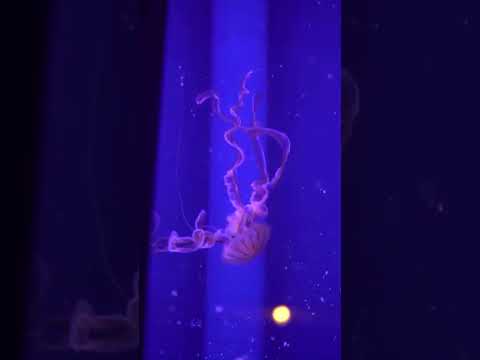
✨ Pablo, cuidador de peces y medusas, te cuenta más sobre la Medusa compás y su exquisita dieta.
🤤 Mmmm nauplio…
