
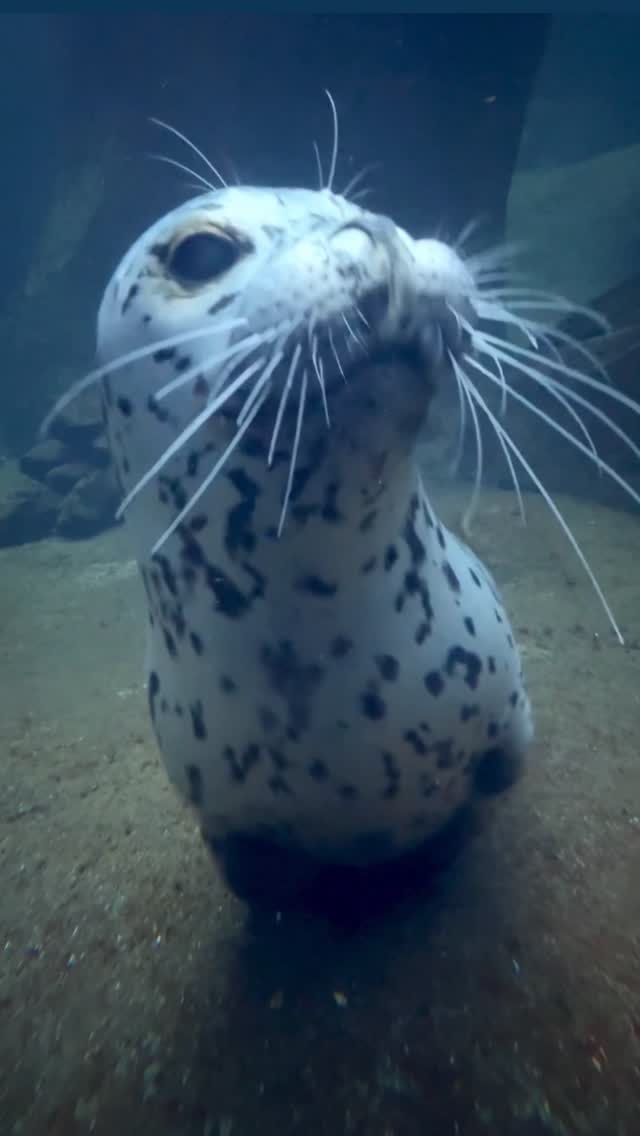
- Habitat and Behavior of Tuq the Harbor Seal
- The Importance of Fall in Marine Ecosystems
- The Role of Tuq in Education and Conservation
- How to Safeguard Marine Life During Seasonal Changes
- Community Engagement and Witnessing Quiet Fall Moments with Tuq
The harbor seal, a common sight along the coastlines of the Northern Hemisphere, has captured the attention of many wildlife enthusiasts and scientists alike. One such captivating individual is Tuq, a harbor seal who has become an ambassador for marine conservation at his home in a wildlife sanctuary. His tranquil presence during the fall months offers education and insight into the behaviors and ecological relationships of this marine mammal.
Tuq’s habitat extends across rocky shores, sandy beaches, and coastal waters where he enjoys basking on sunlit rocks. His behavior is generally characterized by a variety of vocalizations and social interactions. Harbor seals tend to be social creatures, often found in groups but also enjoying solitary time. Tuq exemplifies this balance in a way that engages onlookers.
During the fall, Tuq’s behaviors may shift as the environment changes. As temperatures drop and daylight decreases, harbor seals begin to prepare for the winter months ahead. Tuq exhibits increased grooming behaviors, a key element in maintaining his health. Grooming helps to keep his dense fur clean, which is essential for insulation against frigid water temperatures. Observers of Tuq during these quiet fall moments are treated to a display of intricate movements as he interacts with his environment and coworkers, demonstrating both agility and grace.
The fall season is of critical importance in marine ecosystems. This transition period serves multiple functions within the food web. For harbor seals like Tuq, this is a time when prey species, such as fish and crustaceans, often migrate or change their spawning patterns. Understanding these environmental shifts can provide insights into the habits of Tuq and others like him. This seasonal transition also highlights the interconnectedness of various marine species and their habitats.
In addition to the biological significance of autumn, Tuq plays a pivotal role in education and conservation efforts. His presence in the sanctuary allows visitors to learn about the importance of preserving marine ecosystems. Educational programs often focus not only on harbor seals but also on the challenges they face, including climate change, habitat loss, and pollution. Tuq’s life story and behaviors provide a relatable medium for engaging the public in conservation discussions. By observing Tuq, visitors gain valuable insights into the realities affecting seals and their habitats.
Community engagement is also essential for the conservation of harbor seals. Educational outreach programs that feature Tuq encourage active participation in efforts to protect local marine environments. Through activities like beach cleanups, visitors can witness firsthand the immediate impacts of waste and pollution on marine life. Moreover, workshops focused on marine species help foster a community of informed individuals who are willing to take steps towards environmental stewardship.
Witnessing Tuq in his quiet autumn moments serves as a reminder of the delicate balance within marine ecosystems. This period allows for reflection on our responsibility towards wildlife and their habitats. Seasonal changes remind us of the fragility of these ecosystems and the need for continuous conservation efforts. By understanding Tuq and his world, visitors leave with not only admiration for harbor seals but also a broader appreciation for marine life as a whole.
Understanding Tuq’s role and the environment he inhabits encourages empathy and stewardship toward marine ecosystems as a whole. The educational aspects that surround Tuq’s behavior and habitat also emphasize the importance of preserving these areas for future generations. By engaging with Tuq and participating in community activities, individuals become champions for conservation, significantly impacting local marine environments.
Each quiet fall moment spent observing Tuq goes beyond mere enjoyment; it highlights the responsibility humans hold in protecting natural habitats. Harbors and coastlines are not isolated. They are interconnected ecosystems where actions in one area can have profound effects on others.
As the seasons change, so does the availability of food for Tuq and other marine animals. This shift signifies a larger trend occurring in the ocean, where varying conditions can cause fish populations to fluctuate. Understanding these dynamics is crucial for the continued health of seal populations. Educational initiatives often include discussions about sustainable fishing practices and the ethical treatment of marine resources, showing how everyone can contribute to conservation efforts.
Efforts to protect harbor seals must also extend to their habitats. Urban development, pollution, and climate change pose ongoing threats to their survival. Reserves and marine protected areas can serve as safe havens for seals, allowing them to breed, rest, and forage with minimal human interference. However, the success of such programs relies on informed public awareness and engagement.
Understanding the significance of Tuq’s quiet moments during fall offers more than a serene visual; it provides an ongoing dialogue about what can be done to preserve the beauty and vitality of our marine ecosystems. Each incident of interaction, whether it be through educational programs or casual observation at the sanctuary, helps build a community that values marine life.
Ultimately, witnessing Tuq, the harbor seal, during moments of tranquility fosters an appreciation for these animals and their habitats. Such experiences can ignite a passion for marine conservation, triggering positive changes within communities and among individuals. Whether through direct action or advocacy, every effort counts toward maintaining the delicate balance of our oceans and coasts.
The presence of Tuq serves as an essential reminder that every marine creature plays a role in the greater ecosystem. As autumn sets in, it provides a unique opportunity for individuals to reflect on how their actions affect not just Tuq but countless other harbor seals and marine species. Education, conservation, and community involvement must go hand in hand to ensure that all marine life continues to thrive.
Through Tuq the harbor seal, the importance of understanding and protecting marine environments becomes more evident. The quiet moments of fall invite contemplation and inspire action, reminding us of our duty as stewards of the earth and all its inhabitants. These interactions with Tuq serve as an entry point for deeper discussions about marine conservation, fostering a generation that will appreciate and protect the natural world for years to come. Every quiet moment is an opportunity for learning, growth, and action in the field of wildlife conservation, and Tuq encapsulates this through his captivating presence.
*****
Source Description
Quiet fall moments with Tuq the harbor seal 😍
