
- Understanding the Role of a Reptile Keeper
- Insights into the Komodo Dragon: Shu and Dracaena
- The Importance of Exhibit Redesign in Zoo Management
- Horticultural Work in Zoo Settings
- Training Techniques for Reptiles
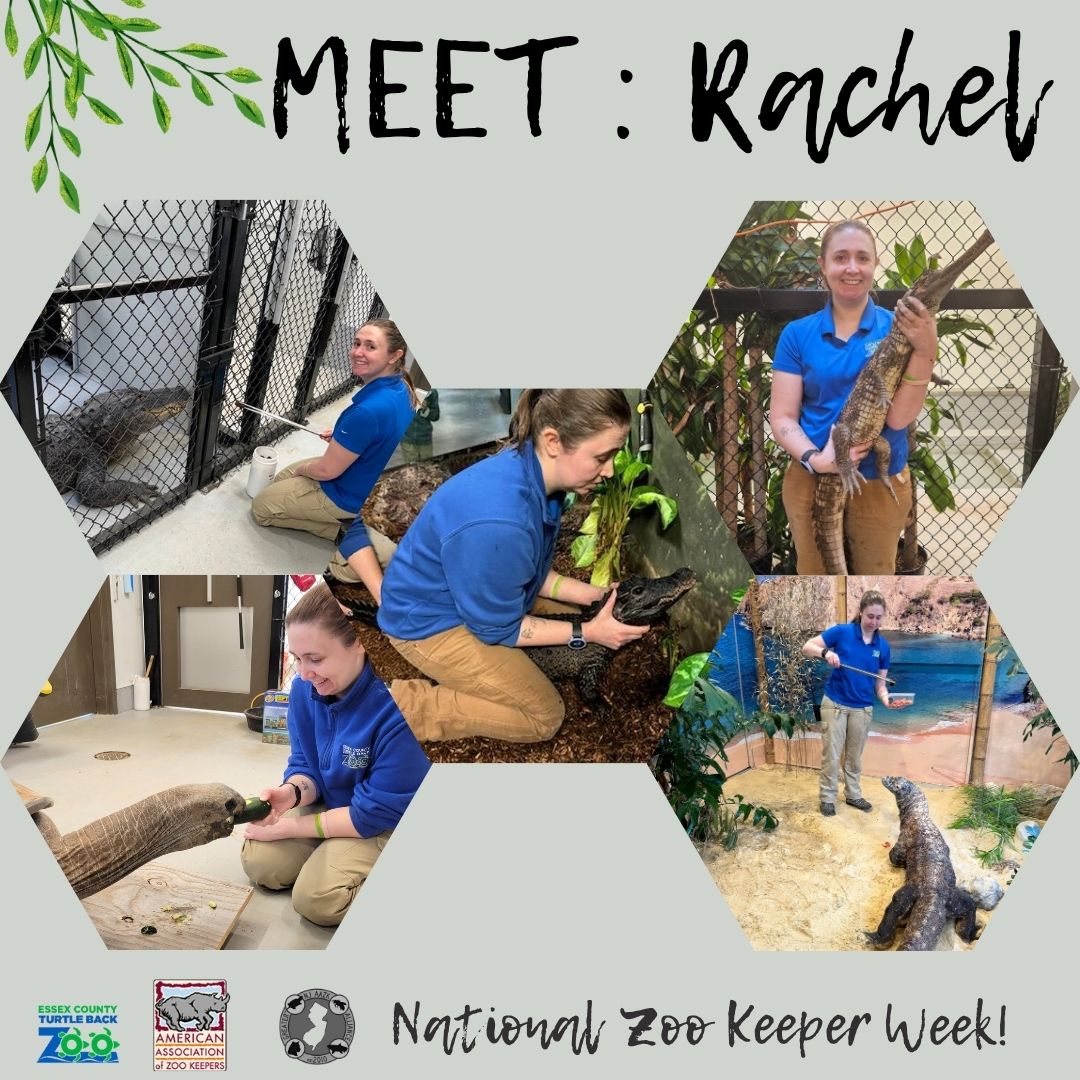
Rachel, a dedicated reptile keeper, has carved her niche in the field of zoology and animal care. Her focus on reptiles, especially the magnificent Komodo dragon, sparks interest among visitors and educates them about these fascinating creatures. The role of a reptile keeper is multifaceted, focusing not just on the animals themselves but also on the environments they inhabit and the public’s understanding of them.
Understanding the Role of a Reptile Keeper
A reptile keeper is responsible for the care, feeding, and overall well-being of reptiles housed in a zoo or aquarium. This role encompasses various tasks, from daily husbandry to educational outreach. Reptile keepers need extensive knowledge about different species, their habitats, dietary needs, and social behaviors. Monitoring the health and behavior of reptiles is crucial, as any changes can indicate potential health concerns.
Moreover, reptile keepers are integral to conservation efforts. Many reptiles are threatened or endangered due to habitat destruction and poaching. By educating the public about these issues, keepers like Rachel play a vital role in wildlife conservation. They host educational programs, engage visitors at exhibits, and share success stories of breeding programs designed to bolster dwindling populations.
Insights into the Komodo Dragon: Shu and Dracaena
Rachel’s favorite animal, the Komodo dragon, is a captivating subject. Two individuals, Shu and Dracaena, are her primary focus, each with their own unique personality traits. Komodo dragons are the largest lizards in the world, measuring up to ten feet in length. They primarily inhabit Indonesia’s islands, showcasing remarkable adaptation skills.
Shu, the more reserved of the two, displays a keen sense of awareness. Rachel has observed that he often engages in basking, which is vital for thermoregulation. On the other hand, Dracaena exhibits more adventurous behavior. Her exploratory tendencies provide Rachel with opportunities to enhance enrichment activities, aimed at fostering natural behaviors.
Both dragons have a carnivorous diet, requiring a variety of protein sources. Rachel ensures that their meals consist of whole rodents, poultry, and occasional fish, replicating their natural diet as closely as possible. This attention to dietary specifics is essential not just for physical health but also for mental stimulation.
The Importance of Exhibit Redesign in Zoo Management
A significant aspect of Rachel’s work involves the redesign of exhibits. This task is important for enhancing animal welfare and visitor experience. As animals in captivity can face challenges related to boredom and stress, creating a more engaging habitat is essential.
Exhibit redesign requires a thorough understanding of the animal’s natural environment. Rachel conducts extensive research to replicate natural elements, like terrain and vegetation. For the Komodo dragons, incorporating rocks for climbing and pools for swimming reflects their wild habitats.
Involving the public in the redesign process helps create a sense of ownership and investment in conservation. Rachel uses this opportunity to educate visitors about the significance of the adjustments being made. For example, she explains how the design impacts the dragons’ health and facilitates behaviors that are vital for their well-being.
Horticultural Work in Zoo Settings
A lesser-known aspect of a zookeeper’s responsibilities involves horticultural work. Rachel frequently engages in tasks that involve maintaining plant life within the exhibits. This task is vital for creating a safe and appealing environment for the animals. Properly selected plants provide shade, enrich the habitat, and offer additional foraging opportunities.
The selection of plants is not arbitrary; it takes careful planning and execution. Rachel inspects plant species to ensure they are safe and non-toxic to the animals. Incorporating native plants can also strengthen conservation efforts by supporting local fauna.
In addition to enhancing animal habitats, horticultural work plays a role in enhancing the visitor experience. An aesthetically pleasing environment draws visitors into the narratives behind the animals’ lives. Rachel utilizes her horticultural knowledge to create vibrant, engaging exhibits that are visually striking and ecologically thoughtful.
Training Techniques for Reptiles
Training plays a critical role in the care and management of reptiles like Komodo dragons. Rachel employs positive reinforcement techniques to build trust and encourage desired behaviors. Training can facilitate easier handling during health checks and improve overall animal welfare.
One effective method involves using food rewards to encourage specific actions, such as coming to a designated area or participating in enrichment activities. By breaking down complex tasks into manageable steps, Rachel makes learning engaging for the reptiles. Over time, these training practices can lead to significant improvements in animal behavior.
Ongoing training sessions also respond to the learning pace of each dragon. Rachel carefully monitors both Shu and Dracaena, adapting her approach based on their responses. This attentiveness empowers each reptile and strengthens the bond between keeper and animal.
Ultimately, Rachel’s experiences as a reptile keeper exemplify a broader commitment to animal welfare, public education, and conservation. Her ongoing work with Komodo dragons, particularly with Shu and Dracaena, sheds light on the intricacies of animal care and environmental stewardship. By combining scientific knowledge, practical skills, and compassion for reptiles, Rachel continually invites both species and humans into a shared journey of understanding. This process signifies an essential step in fostering deeper connections between the public and the natural world. The more we understand these incredible creatures, the better equipped we become to protect their habitats and ensure their survival for future generations.
*****
Source Description
👋Rachel, Reptile Keeper
🐉Favorite animal: Komodo dragon, both Shu and Dracaena
🔹Favorite task/project: Exhibit redesign & training with Dracaena
🔹Something zookeepers do that people wouldn’t expect: A lot of horticultural work to maintain exhibit beauty and animal safety.
