
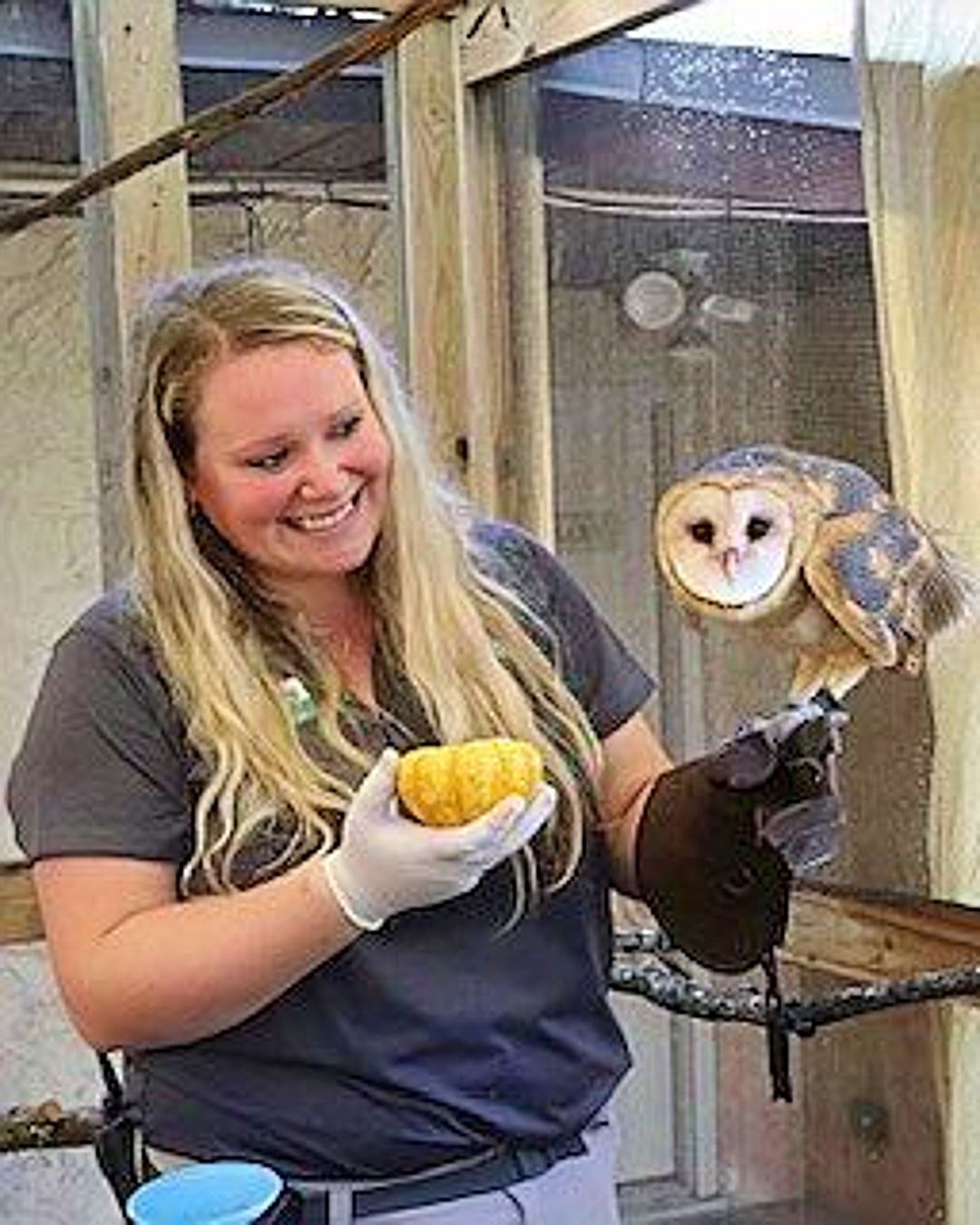
- Importance of National Zookeeper Week in recognizing zookeepers’ contributions
- Overview of training protocols and animal husbandry practices
- Highlighting Ashley, our Assistant Curator of Birds and Mammals
- Impact of animal training on animal well-being and behavior
- The link between zookeeping, conservation efforts, and wildlife education
National Zookeeper Week is an important occasion dedicated to honoring the vital role zookeepers play in wildlife care, education, and conservation. Celebrating our zookeepers during this week allows us to highlight their dedication and expertise while raising awareness about the ongoing challenges in wildlife management. This year, we are excited to share our commitment to this event with an engaging slogan: “We’re owl in this together!” This playful nod to our feathered friends captures the spirit of teamwork and community underlying zookeeping.
Central to our celebration is Ashley, our Assistant Curator of Birds and Mammals. Ashley exemplifies the diverse skill set zookeepers must possess. From conducting training sessions across the zoo to engaging in detailed animal assessments, she plays a significant role in ensuring the animals in our care thrive. One intriguing fact about Ashley is her background in marine biology. During her studies, she had the opportunity to assist with a shark ultrasound, giving her invaluable insights into marine life. She even swam with a 13-foot-long female shark in the Bahamas, an experience that not only showcased her passion for wildlife but also reinforced the importance of understanding various species in different environments.
Training protocols in zoological institutions are crucial for animal care. These protocols allow zookeepers to provide the highest standard of care by promoting the physical and psychological health of the animals they care for. Training sessions often employ positive reinforcement techniques that help establish trust between zookeepers and the animals. This method not only aids in veterinary care—making procedures less stressful for the animals—but also enhances their quality of life. Animals that undergo training are often more engaged, exhibiting natural behaviors that might otherwise diminish in a captive environment.
Ashley’s role as Assistant Curator encompasses a wide range of responsibilities, from overseeing training programs involving both birds and mammals to supporting various animal husbandry practices. She manages the well-being of numerous species, ensuring their dietary needs, cleanliness, and behavioral enrichment are met consistently. The importance of animal husbandry cannot be overstated; it forms the backbone of effective zookeeping. Zookeepers like Ashley often spend considerable time observing animal behaviors, noting any changes that may indicate health issues or stress factors. These observations are critical in formulating care plans that reflect individual animal needs.
The training of animals is not a one-size-fits-all endeavor. Each species requires a tailored approach informed by its natural behaviors and habitats. For example, avian species, such as parrots and owls, often benefit from social interaction and environmental enrichment that mimics their wild habitats. In contrast, mammals like big cats or primates need different forms of stimulation to keep them physically active and mentally engaged. Ashley customizes the training programs based on each animal’s characteristics, ensuring they don’t just survive but thrive in their environments.
A key aspect of National Zookeeper Week is the recognition of the broader impact zookeepers have on conservation efforts. Zookeepers serve as ambassadors for wildlife populations both in captivity and in the wild, raising awareness about endangered species and habitat preservation. Through educational programs, zookeepers inform visitors about animal behaviors, ecosystems, and the challenges wildlife faces due to habitat destruction and climate change. They are on the front lines of conservation, advocatingfor sustainable practices that benefit both the animals in their care and their wild counterparts.
Zookeepers’ efforts extend beyond the zoo walls. They often participate in field research and conservation programs aimed at protecting endangered species in their natural habitats. Collaborations with organizations focused on biodiversity preservation amplify the impact of their work, allowing for more comprehensive conservation strategies. Ashley, for example, actively engages in educating the public about the importance of preserving bird and mammal species, noting that every small action contributes to larger conservation goals.
A distinct feature of zookeeping is the commitment to animal education not just for visitors, but also for future generations of wildlife caretakers. As part of her responsibilities, Ashley often mentors interns and volunteers, offering hands-on training in animal care and management techniques. This not only nurtures their interests in zoology and conservation but also cultivates a new generation of professionals dedicated to protecting wildlife. By sharing her experiences, including fascinating encounters like swimming with a shark, Ashley inspires others to embrace the beauty and complexity of biodiversity.
As we celebrate National Zookeeper Week and acknowledge the contributions of zookeepers like Ashley, we are reminded of the interconnectedness of all living beings. The work performed by zookeepers plays an essential role in maintaining ecological balance and promoting positive human-animal relationships. Their daily dedication ensures that animals receive the care they require while fostering public interest in wildlife conservation.
Training animals is not solely about keeping them compliant or performing tricks; it is about enhancing their quality of life and allowing them to express natural behaviors. Positive reinforcement training encourages animals to engage in activities that stimulate their minds and bodies. For example, through target training, animals learn to respond to specific cues, which simplifies the process of routine veterinary checks. By making these experiences less intimidating, zookeepers like Ashley can ensure better health outcomes for the animals.
Moreover, training helps zookeepers gain a deeper understanding of animal responses. Monitoring how animals react to certain stimuli can reveal a wealth of information about their well-being. For instance, changes in behavior might indicate stress or illness. Zookeepers are trained to interpret these signals and act accordingly. This proactive approach is vital in preventing potential health issues, ultimately creating a more harmonious living environment for the animals.
The connection between zookeeping and wildlife conservation cannot be understated. Zookeepers serve not only as caretakers but also as educators and advocates for their species. They work tirelessly to build awareness about endangered animals, highlighting the need for their preservation in the wild. Providing educational programs at zoos plays a key role in cultivating fascination about wildlife, prompting visitors to consider the impact of their actions on the environment. Awareness fosters empathy, encouraging people to contribute to conservation efforts, whether through donations, volunteering, or adopting sustainable practices in their own lives.
To further enhance public understanding, zookeepers often organize events during National Zookeeper Week, aiming to bridge the gap between the zoo and the community. These events may include behind-the-scenes tours, interactive animal encounters, and presentations about conservation initiatives. By engaging the public in this manner, zookeepers successfully foster excitement and interest in wildlife education. Through effective storytelling and personal experiences, such as Ashley’s adventures with marine life, they offer a tangible connection to the complex issues surrounding wildlife care and environmental stewardship.
In today’s rapidly changing world, the role of zookeepers is as crucial as ever. As human activity continues to impact wildlife habitats, the expertise of zookeepers becomes increasingly valuable. They provide invaluable insights into animal behavior, contributing to the broader scientific community’s understanding of ecological balance. Knowledge acquired in zoos supports wildlife research and informs conservation strategies that can be applied on a global scale.
The spirit of National Zookeeper Week is enveloped in appreciation and recognition of the hard work and dedication zookeepers demonstrate daily. Their commitment to animal welfare, public education, and conservation efforts drives the mission of zoos to protect and preserve wildlife. As we celebrate our zookeepers this week, we also reaffirm our collective commitment to supporting their work. By engaging with their initiatives, we can effectively contribute to the ongoing conversation about wildlife care and environmental protection.
As we reflect on Ashley’s journey from marine biology to her current role, it becomes evident how interconnected our understanding of various species is. Each zookeeper’s experience adds to the collective knowledge and understanding of the intricate relationships between animals, humans, and their environments. These stories help us garner appreciation for wildlife and highlight the importance of conservation in ensuring that future generations will have the opportunity to experience the beauty of nature.
Recognizing the efforts of our zookeepers during National Zookeeper Week is not merely a celebration; it is a crucial reminder of our responsibility to protect and care for the planet. By valuing zookeepers’ knowledge and experiences, we pave the way for better animal care and enhance our collective commitment to wildlife conservation. The dedication of zookeepers like Ashley illustrates the meaningful impact we can all have in fostering a brighter future for both animals and humans alike.
This recognition serves to strengthen the community ties between zoos, wildlife advocates, and the public. By encouraging open dialogue, we can promote a culture of awareness and education. The future of conservation relies heavily on our collective actions today. As we celebrate, let us remember that we are indeed “owl in this together,” united in our mission to protect and preserve the wonderful diversity of life on this planet. The commitment of zookeepers is a beacon of hope, guiding us toward a more sustainable and compassionate future.
*****
Source Description
Celebrating our Zookeepers for National Zookeeper Week and we’re owl in this together! 👏 Meet Ashley, our Assistant Curator of Birds and Mammals, and you can find her in training sessions all over the zoo. Training is essential for zookeepers to engage with the animals under their care, enabling them to deliver the highest standard of care possible.
Fun fact about Ashley is that she studied marine biology in college and got the opportunity to assist with a shark ultrasound! Then she was able to swim with that same 13 foot long female shark in the Bahamas. 🦈
