
- The significance of underwater livestreaming in conservation awareness
- Rachel’s diving experience and its educational components
- Techniques for effective underwater livestreaming
- The role of social media in wildlife education
- Future possibilities for underwater streaming sessions
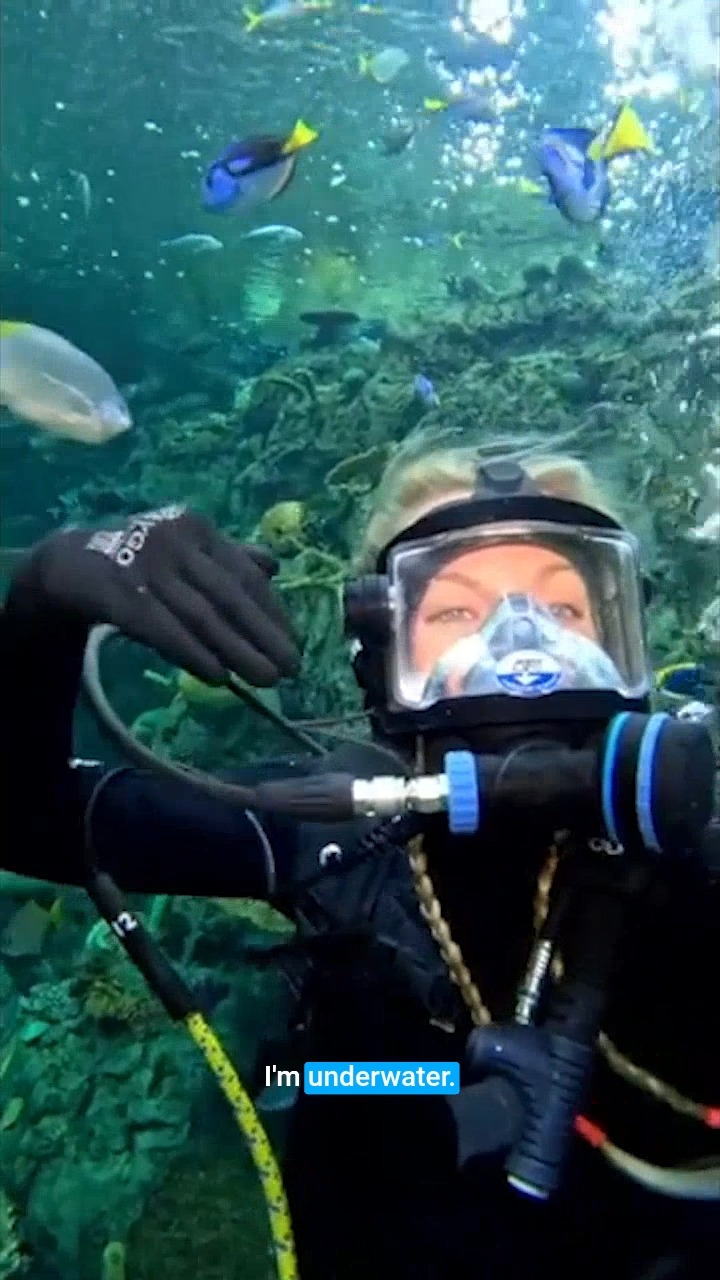
The phenomenon of underwater livestreaming offers a unique portal for engaging audiences with the wonders of aquatic life. Today’s experience with Rachel diving live on TikTok exemplifies how social media can be used to strengthen connections between people and wildlife. Not only does this approach captivate viewers, but it also serves as a platform for raising awareness about marine conservation.
Rachel’s recent adventure in the depths is a testament to the vibrant life beneath the water’s surface. As she dove, viewers were treated to a spectacular display of underwater ecosystems, complete with colorful fish, intricate coral structures, and various forms of plant life. Diving not only provides immersive visual experiences but also fosters an understanding of ecological interdependencies. Each species plays a critical role in its habitat, forming food webs and maintaining the balance necessary for a thriving ecosystem. This aspect was highlighted during the livestream, where Rachel provided insights on different organisms and their roles in the aquatic environment.
To make underwater livestreaming effective, several techniques can enhance the viewer’s experience. High-definition cameras and advanced lighting systems are essential for capturing the underwater scene vividly. Sound quality also matters; viewers could hear the soothing sounds of water, emphasizing the tranquility of marine spaces and making them feel present. Engaging storytelling is integral as well. During her dive, Rachel coupled her visuals with explanations of specific species, their behaviors, and any conservation concerns they may face. Clear, focused information helps mitigate misunderstandings about aquatic environments and can spark curiosity and advocacy among viewers.
Social media platforms have revolutionized how wildlife education is delivered. Traditional methods often struggled to engage younger audiences. In contrast, TikTok and similar platforms enable immediate interaction. Fans of Rachel could ask questions in real-time about the types of fish she encountered or the significance of coral reefs. This active engagement drives home the educational value of the experience, allowing followers to connect with marine life on multiple levels. Viewers can better appreciate biodiversity when they understand how individual species contribute to the overall health of marine ecosystems.
The educational potential of underwater livestreaming goes beyond awareness; it could motivate action. Viewers who are intrigued by the complexities of marine life may be more likely to support conservation initiatives or advocate for sustainable practices. For example, Rachel’s dive may inspire followers to participate in local clean-up efforts or support marine protection policies. Reaching diverse audiences can be a powerful driver for legislative changes and conservation funding.
Looking ahead, the future of underwater livestreaming holds exciting possibilities. Innovations in technology will allow for more engaging and informative streams. Livestreams featuring expert marine biologists or conservationists could offer audiences detailed insights into specific challenges facing marine ecosystems, such as climate change or ocean acidification. Incorporating augmented reality elements might further enrich the experience, allowing viewers to visualize changes in ocean environments over time or see what a healthy reef looks like compared to one that has been damaged.
Moreover, platforms like TikTok open doors for collaborative events, where multiple divers worldwide can share their unique perspectives simultaneously. Such initiatives could highlight global conservation issues, connecting localized efforts into a united front. This interconnected approach strengthens the message that marine conservation is a global responsibility, inviting action from individuals around the globe.
In conclusion, Rachel’s live diving session was more than just an entertainment spectacle; it was a milestone in using technology and social media to promote marine education and conservation. By focusing on effective communication, technological advancements, and audience engagement, the movement towards underwater livestreaming as a prominent educational tool can become a staple in wildlife conservation efforts. As the popularity of these live events grows, so too does the potential for cultivating a well-informed and conservation-minded public. With continued exploration and innovation, the future of underwater livestreaming is poised to play a significant role in marine awareness and education.
*****
Source Description
Did you catch Rachel diving LIVE on TikTok today? It was a blast! What do you think, should we do more underwater livestreaming? 🤔
