
- The vibrant lories and their role in interactive aviaries
- Specialized feeding habits and physiological adaptations
- The significance of multicolored plumage for camouflage
- Educational opportunities in avian behavior observation
- Conservation and ethical management practices in zoos
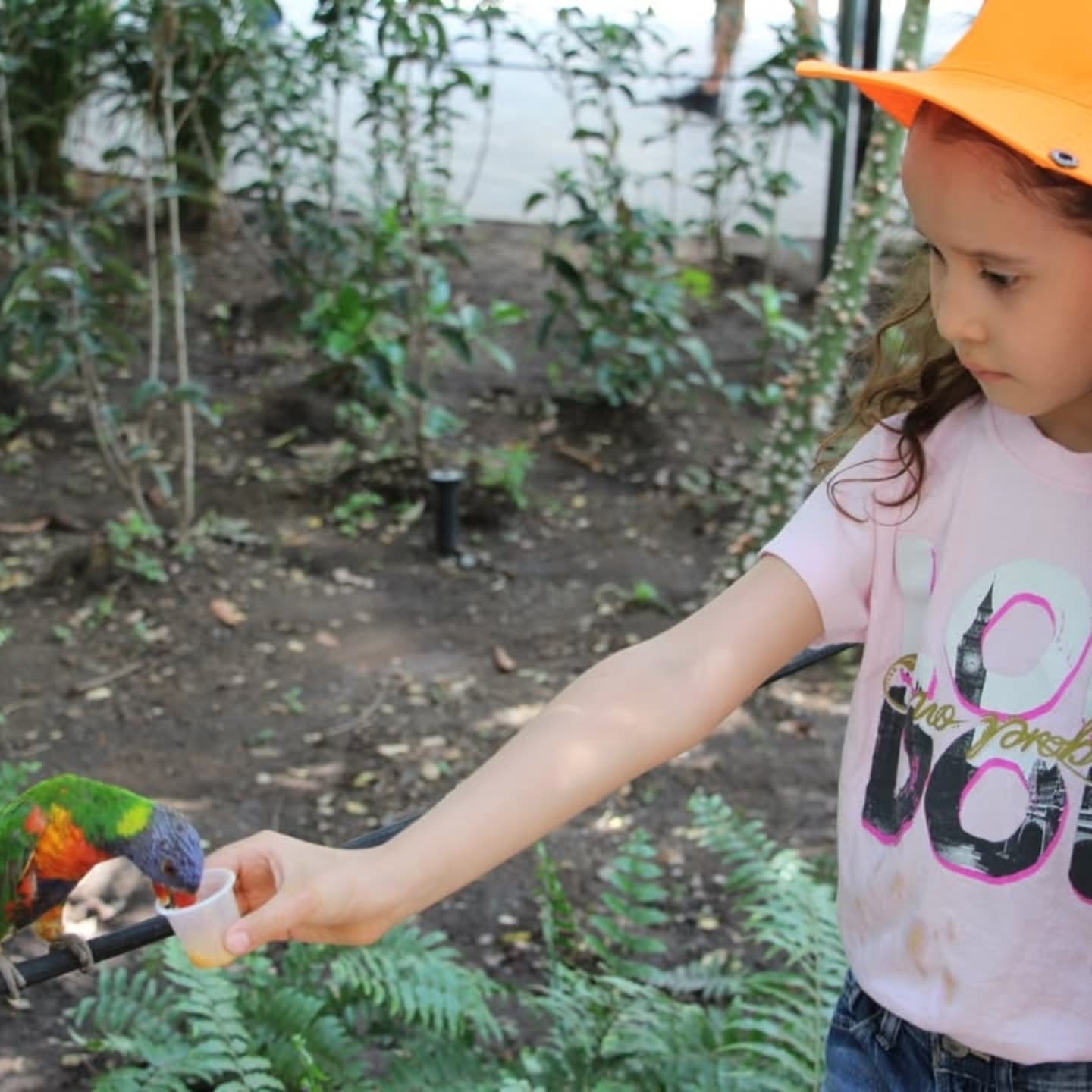
In our Interactive Aviary, visitors are greeted by the vibrant and playful rainbow lorikeets. These colorful birds offer a unique and educational experience, ideal for those interested in ornithology and animal behavior. The aviary is designed to be immersive, allowing people to closely observe and interact with these fascinating birds in a monitored environment.
The rainbow lorikeet is known for its vivid plumage, featuring a blend of red, blue, green, and yellow. This coloration is more than mere aesthetic appeal; it serves a critical role in their natural habitats, where camouflage plays a vital role in their survival. In tropical environments, these bright colors can blend seamlessly with the colorful flora, providing an effective means of evading predators.
Lorikeets have highly specialized feeding habits. Their primary diet consists of nectar and fruit, which they expertly consume using their uniquely adapted tongues. These "brush-tipped" tongues are designed to efficiently collect nectar from a variety of flowers. This adaptation makes them extraordinary pollinators, playing an essential role in the ecosystems where they reside. Understanding these dietary preferences is crucial for their care in captivity, where ensuring a diet rich in sugars and fibers is vital for their health.
Visitors to the aviary have the chance to feed the lorikeets, highlighting important aspects of their diet. This interaction provides an opportunity to witness the efficacy of their feeding technique firsthand. Feeding sessions are managed carefully to avoid overindulgence and ensure that the birds maintain a balanced diet.
Observing rainbow lorikeets in the aviary also offers insights into their social structures and behaviors. They are highly social creatures, often seen interacting in flocks. Their playful antics can be mesmerizing, revealing complex communication and social hierarchies. Learning about these behaviors enriches visitor experiences and fosters a greater appreciation for avian life.
The educational aspect of the aviary extends to conservation themes. Zoos and aviaries play a crucial role in wildlife conservation by providing safe habitats for animals and educating the public about the importance of preserving biodiversity. This aviary is a testament to the ongoing efforts in conservation, highlighting the need to protect natural habitats and the species that inhabit them.
The management of such aviaries requires a meticulous approach to mimic natural conditions while maintaining high standards of animal welfare. This includes appropriate habitat design, dietary management, and veterinary care. By prioritizing ethical management practices, zoos can contribute to the broader goal of wildlife conservation while providing educational opportunities for the public.
Interactive aviaries like this one serve as a bridge between wildlife and humans, fostering empathy and understanding. They encourage visitors to learn more about species conservation and the pressing need to protect endangered habitats. By creating engaging educational experiences, such facilities inspire future generations to care for our planet’s diverse ecosystems.
Overall, our interactive aviary featuring rainbow lorikeets offers more than just a chance to observe colorful birds. It provides a deeper understanding of avian biology, behavior, and the importance of conservation, ensuring a meaningful experience for all visitors.
*****
Source Description
🍃 En nuestro Aviario Interactivo, los carismáticos lories arcoíris te dan la bienvenida con sus plumajes brillantes y energía
juguetona. 🦜✨
✅ Se alimentan principalmente de néctar y frutas.
✅ Tienen lenguas “cepillito” para absorber su alimento.
✅ Su plumaje multicolor es una adaptación para camuflarse entre flores tropicales.
🧡 Podrás alimentarlos, observar sus interacciones y aprender de su comportamiento en un entorno seguro y guiado.
