
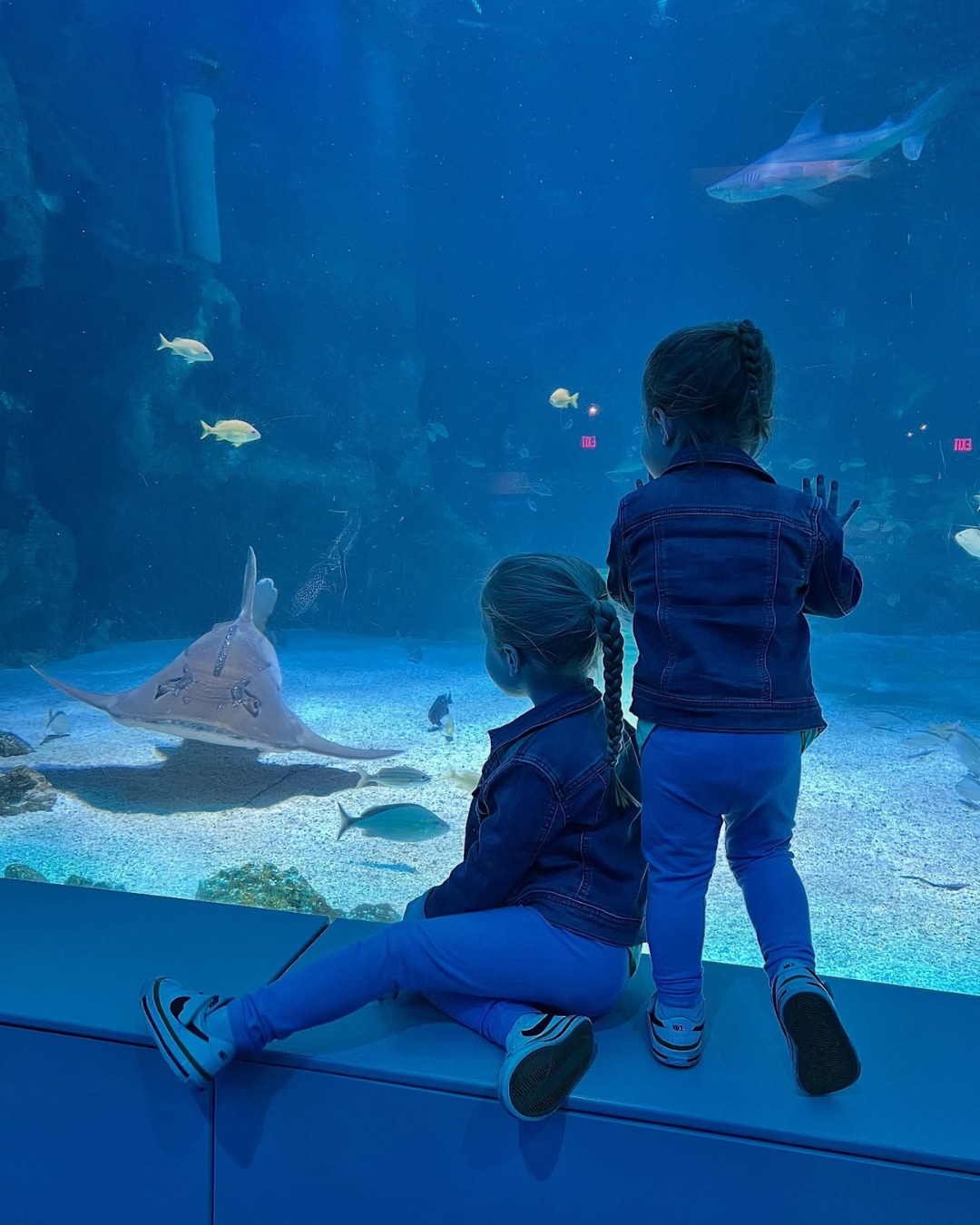
- Explore the indoor marine exhibits and their educational benefits.
- Understand the significance of zoos and aquariums in conservation efforts.
- Learn about the biological and ecological aspects of sharks, stingrays, and penguins.
- Discover the role of immersive experiences in wildlife education and engagement.
- Appreciate the seasonal attractions like mermaids and their impact on visitor interest.
Zoos and aquariums have long been gateways to the natural world, providing a unique opportunity to engage with diverse species in settings designed to replicate their natural habitats. A rainy day doesn’t dampen the experience when it involves exploring the underwater wonders housed indoors. From sharks and stingrays to the adorable antics of penguins, these institutions play a critical role in conservation, education, and wildlife management.
Experience Indoor Marine Exhibits
Walking through indoor exhibits, visitors can witness the awe-inspiring dance of marine life, far removed from its oceanic origins. Displaying species like sharks and stingrays in controlled environments assists in breaking down misconceptions and fears associated with these creatures. Such environments are equipped with interactive exhibits and informative signage that enhance understanding and appreciation of the aquatic world.
The design of these aquariums mimics the natural ecosystems, allowing sharks and other marine animals to exhibit natural behaviors. Touch tanks for stingrays and small sharks often serve as hands-on educational tools for children and adults alike, fostering a personal connection with marine life. These engagements help instill a sense of responsibility and care for aquatic ecosystems, making education fun and memorable.
Significance in Conservation Efforts
Zoos and aquariums serve a pivotal role in the global effort to protect and preserve wildlife. Conservation programs often focus on breeding endangered species, restoring habitats, and conducting research critical to understanding ecological balances.
Through captive breeding programs, these institutions not only aim to increase population numbers but also preserve genetic diversity crucial for species longevity. Collaborative efforts with global wildlife organizations ensure the sharing of knowledge and resources for broader conservation impact. Domestically, aquariums may collaborate with local communities to promote sustainable practices that benefit both human and animal populations.
Biological and Ecological Aspects
Sharks, despite their fierce reputation, are integral to the marine food web. As apex predators, they maintain the balance of marine ecosystems, which is vital for the health of oceanic environments. Stingrays, belonging to the same subclass as sharks, play their role by stirring up the ocean floor, facilitating nutrient cycles.
Penguins offer another avenue of study, with their fascinating adaptations to cold environments drawing interest from scientists and tourists alike. These flightless birds are indicators of ocean health due to their sensitivity to changes in marine ecosystems.
Providing a home for such species in zoos and aquariums aids in research that informs conservation strategies in the wild. Data on breeding, behavior, and health are invaluable for creating sustainable environments, aiding conservationists in making informed decisions.
Role of Immersive Experiences
Engagement through immersive experiences is an evolving strategy in wildlife education. By crafting environments that allow visitors to feel connected to the inhabitants, zoos and aquariums promote empathy and learning.
Shows and presentations involving these marine wonders often blend entertainment with education, making complex biological concepts accessible. Many institutions employ technology such as virtual reality to deepen the visitor experience, offering virtual dives into ocean habitats.
Interactive exhibits not only captivate but also educate audiences, stimulating curiosity and encouraging stewardship of the environment. Understanding marine life through these engaging methods can lead to increased public support for conservation initiatives.
Seasonal Attractions and Visitor Interest
Seasonal attractions like mermaid shows add an enchanting layer to the zoo and aquarium visits, drawing attention and enhancing visitor experiences. Such attractions are designed to engage with fantasy while providing educational value by promoting marine conservation messages.
Mermaid shows can captivate audiences, particularly children, giving them a playful narrative that relates to marine protection. These events often run alongside educational programs, emphasizing the importance of marine conservation in a format that is both appealing and informative.
Overall, zoos and aquariums offer invaluable educational experiences, fostering a deeper connection with the natural world. By leveraging indoor attractions and innovative presentations, these institutions continue to fulfill their mission of conservation, education, and community engagement, rain or shine.
*****
Source Description
Rainy day? Let it pour — we’ve got sharks, stingrays, and penguins indoors! ☔ No umbrellas needed when you’re diving into underwater wonders with the whole crew.
🎟️ Plan your visit today — and don’t forget, Mermaids are here thru June 22! 🧜♀️
