
- The significance of Capitol Hill Ocean Week (CHOW) for ocean advocacy and policy.
- The role of science and research in shaping ocean policy discussions.
- Youth engagement and the importance of pathways into ocean careers.
- Advocacy efforts and interactions with policymakers and officials.
- Celebrating achievements in ocean conservation during the CHOW Ocean Awards.
Capitol Hill Ocean Week (CHOW) serves as one of the nation’s premier platforms for discussions surrounding ocean and Great Lakes policy. Hosted by the Marine Sanctuary Foundation, CHOW brings together a community of dedicated scientists, policymakers, youth leaders, and ocean advocates. The objective is to elevate conversations about pressing issues impacting marine environments and freshwater ecosystems. The New England Aquarium team proudly participated this year, making noteworthy contributions and forming vital connections throughout the event.
A major highlight of CHOW involves the presence of scientists and experts who engage in discussions about various topics central to ocean health. The aquarium’s Anderson Cabot Center for Ocean Life provided crucial insights into pressing areas such as aquaculture, innovative fishing techniques, and the blue economy. Aquaculture is an increasingly important sector, as it plays a vital role in seafood production while aiming to mitigate overfishing. Experts addressed sustainable practices that can be employed to balance ecosystem health with the growing demands of seafood consumption.
Ropeless fishing gear emerged as a critical subject during CHOW. This innovative technology offers a means to reduce the bycatch of marine mammals while maintaining productive fisheries. By promoting methods that minimize negative impacts on marine biodiversity, the discussions highlighted the necessity of integrating advanced gear into the fishing industry.
The blue economy, which encompasses economic activities derived from ocean and coastal resources, was another focal point at CHOW. Through sustainable tourism, renewable energy, and responsible fishing practices, the blue economy offers pathways to economic growth while ensuring the health of marine environments. During panel discussions, participants examined how smart policy decisions can support this model, providing examples of successful initiatives from various coastal communities.
Youth engagement played a pivotal role at the conference, with New England Aquarium’s youth delegates attending CHOW alongside Sea Youth Rise Up. This initiative encourages young activists to raise their voices and advocate for ocean conservation. The involvement of youth leaders is increasingly vital to discussions on marine issues, as they bring fresh perspectives and innovative ideas to the table. The delegates passionately shared their personal journeys into ocean careers, illustrating the diverse opportunities available within marine science, policy, and advocacy. Their enthusiasm and commitment resonated throughout the conference, inspiring others to consider careers that directly contribute to ocean stewardship.
The importance of youth engagement extends beyond participation at events like CHOW. Educational pathways that nurture the next generation of marine scientists and policy advocates are essential. By providing resources, mentorship, and platforms for young people, organizations can help facilitate their entry into careers that promote ocean health. This focus on fostering youth involvement can lead to more sustainable practices and innovative solutions for marine conservation challenges in the future.
The New England Aquarium’s Conservation Policy team had the opportunity to engage directly with several elected officials and funders during CHOW. These interactions serve as a critical avenue for advocating for effective policies that protect marine environments. Effective communication between scientists and policymakers can lead to well-informed decisions that have a substantial impact on ocean health. The Aquarium representatives articulated pressing conservation needs and discussed funding opportunities that could help realize innovative projects aimed at preserving marine ecosystems.
This year’s CHOW also included the CHOW Ocean Awards, an event designed to recognize and uplift champions of ocean protection. The New England Aquarium President and CEO, Vikki Spruill, participated in honoring these advocates, celebrating their dedication and contributions to marine conservation. The award recipients represented a diverse array of organizations and individuals, each contributing uniquely to the overarching goal of safeguarding our ocean resources. Recognition plays an essential role in motivating others to strive for positive change and elevates visibility for ocean conservation efforts.
Through participation in Capitol Hill Ocean Week, the New England Aquarium team helped to reinforce the need for collaboration among diverse groups committed to the health of our oceans and Great Lakes. The multidisciplinary nature of the discussions at CHOW highlighted the interconnectedness of scientific research, policy-making, youth engagement, and community action. By integrating perspectives from various stakeholders, the conference illuminated the complexity of marine issues and the collaborative approach required to address them.
Educational content during CHOW included expert presentations and workshops aimed at enhancing understanding of current challenges facing oceans and freshwater systems. Topics ranged from climate change impacts on marine ecosystems to the significance of biodiversity conservation in maintaining healthy oceanic environments. By disseminating knowledge through these platforms, participants could leave the conference better equipped to advocate for effective policy changes in their communities.
As ocean health continues to decline due to anthropogenic pressures, events like CHOW serve as crucial reminders of the need for ongoing advocacy and cooperation. The necessity of collective action cannot be overstated. Policymakers, scientists, and community leaders must work together to create actionable strategies that promote sustainable practices. Collective engagement from all sectors is vital in reversing negative trends affecting marine environments.
The case for scientific research as a foundation for effective ocean policy is clearer than ever. Evidence-based decision-making should inform how rules are established, ensuring that both scientific findings and community input are included in the policymaking process. Fostering partnerships among research institutions, governmental bodies, and advocacy groups can amplify messages and drive effective outcomes for the oceans.
Capitol Hill Ocean Week serves as a pivotal gathering where ideas can be exchanged, and inspiration can flourish. The New England Aquarium’s involvement reinforces that everyone—researchers, policymakers, youth leaders, and advocates—plays a role in safeguarding ocean stewardship. As conversations progress, the potential for creating positive change increases exponentially.
In acknowledging exemplary contributions to this noble cause, educators and conservationists can inspire a new generation to take action. Incorporating ocean education into school curricula can nurture awareness and passion among students, equipping them with the knowledge to be informed advocates for marine ecosystems.
Throughout CHOW, the New England Aquarium exemplified a commitment to collaboration and advocacy. Integrating its scientific expertise and passion for conservation, the team highlighted the importance of continuous dedication to ocean health. As the event wrapped up, it reaffirmed the collective resolve to engage in actionable solutions for managing our vast oceanic resources effectively.
Capitol Hill Ocean Week stands as not only a venue for policy discussions but also a bastion of inspiration and collaboration for ocean advocates at every level. Each participant has a role to play, creating a ripple effect that can lead to significant advancements in ocean conservation.
Through the highlights and outcomes from CHOW, it is evident that community involvement, scientific research, and policy advocacy converge to shape a healthier ocean for future generations. The commitment shown by attendees at CHOW reflects a collective desire to protect our oceans and sustain the natural resources vital to our survival. This unified approach is crucial as we face the myriad challenges posed by climate change, pollution, and habitat loss.
Participating in Capitol Hill Ocean Week is just a starting point. The real work occurs long after the discussions conclude. Equipped with knowledge, inspiration, and a network of advocates, participants must continue to drive action in their communities, influence policy, and contribute to the stewardship of our precious ocean resources. The future of our oceans depends on this shared commitment and ongoing collaboration.
*****
Source Description
A look back at Capitol Hill Ocean Week (CHOW)! 🪸
The New England Aquarium team was proud to represent at nation’s leading ocean and Great Lakes policy conference—hosted by @marinesanctuaryfdn.
We joined scientists, policymakers, youth leaders, and ocean advocates to discuss the issues that impact our waters. Some highlights:
🔹 The Aquarium’s Anderson Cabot Center for Ocean Life experts joined vital conversations on aquaculture, ropeless fishing gear, and the blue economy
🔹 NEAq youth delegates attended CHOW with Sea Youth Rise Up and shared their passion and pathways into ocean careers
🔹 Our Conservation Policy team, along with our Chief of Conservation and Stewardship Letise, met with several elected officials and funders
🔹 Our President & CEO Vikki Spruill joined leaders at the CHOW Ocean Awards to honor champions of ocean protection
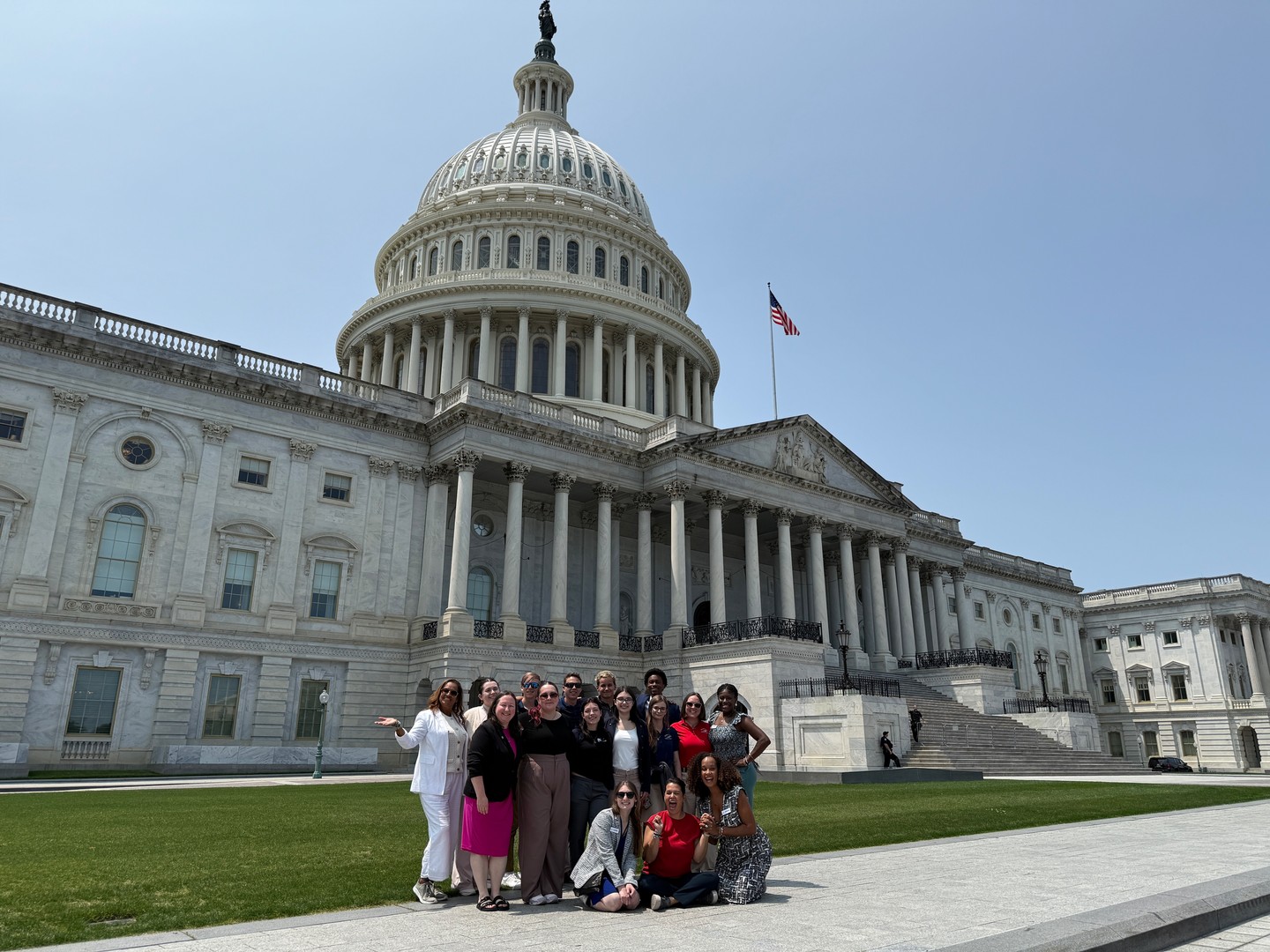
Check out these photos of our team + youth advocates in action at CHOW!
