
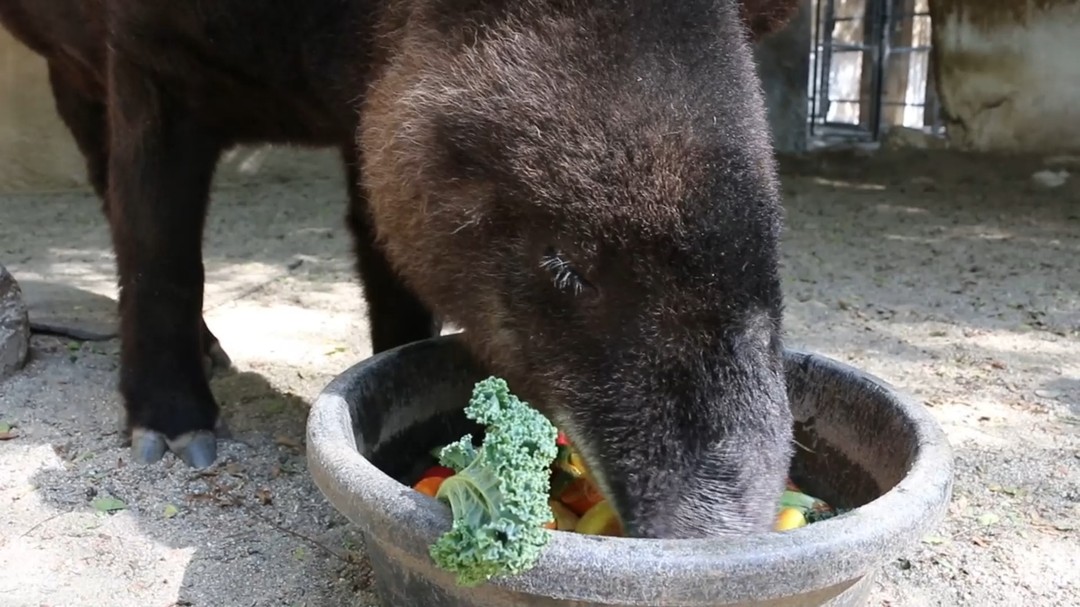
- The nutritional needs and feeding habits of the mountain tapir.
- The role of apples in promoting healthy feeding practices for Inca.
- Various animal sounds during snack time and their significance in animal behavior.
- The conservation status and habitat of the mountain tapir.
- The importance of educational programs for wildlife conservation.
The mountain tapir, known scientifically as Tapirus pinchaque, is an intriguing herbivore found in the Andean forests. These animals have a distinct appearance with a stout body, short legs, and a prehensile snout that makes them well adapted to their mountainous habitat. During feeding time, such as the moment Inca engages with her favorite crunchy snack, apples, viewers can appreciate the sounds that accompany her munching. This article explores several facets of Inca’s life, including her dietary needs, the significance of apples in her nutrition, and the sounds from other animals during snack time, all contributing to a deeper understanding of the ecosystem and the importance of wildlife conservation.
Mountain tapirs primarily consume a diet that consists of leaves, fruits, and other plant material. Inca, like her counterparts, selects her food carefully, favoring softer leaves and ripe fruits that are plentiful in her habitat. Apples are particularly appealing due to their crunchiness and sweetness, which provide not only enrichment but also essential nutrients. Fruit such as apples contains sugars that supply energy needed for the tapir’s daily activities. The incorporation of apples in her diet exemplifies how a range of foods can contribute to the overall well-being of these animals.
In terms of nutritional value, apples offer several benefits. A medium-sized apple has approximately 95 calories, which includes dietary fiber that aids in digestion. Fiber is vital for maintaining gut health in herbivores like mountain tapirs, helping to encourage regular bowel movements. Apples additionally contain vitamins A and C, which support the immune system and contribute to overall health. Therefore, the selection of apples as a treat not only serves as a delightful crunch for Inca but also promotes her vitality.
The crunching sounds of Inca enjoying her apples provide a sensory experience that connects the observer to her feeding habits. The ideas of sound and communication are significant in understanding animal behavior. Often, animals convey their needs and emotions through vocalizations and sounds. For example, the audio backdrop during snack time may include chirping birds, distant calls from other wildlife, or the rustling of leaves. Each sound carries its own meaning within the animal kingdom, allowing creatures to navigate their environment and socialize with one another.
Regarding the sounds accompanying Inca’s snack time, animal communication plays a fundamental role in survival. Birds often use calls to alert each other to the presence of food or predators. Similarly, sounds produced by larger mammals, such as howler monkeys or even equiparable tapirs, can signal territorial claims or the presence of a threat. Identifying these sounds both enhances our understanding of ecosystem dynamics and raises awareness of the intricate web of life that supports all creatures within an environment.
The conservation status of the mountain tapir is a notable concern. As of now, their population is classified as endangered, primarily due to habitat loss from deforestation and agricultural expansion. The Andean forests, which are vital for their survival, are depleted at alarming rates, posing a significant threat to their habitat. Loss of habitat not only reduces food availability but also fragments populations, making it more challenging for tapirs to find mates and maintain healthy genetic diversity. Conservation organizations work tirelessly to restore habitats and protect the remaining populations.
Efforts in conservation extend beyond merely protecting animals. Education plays an equally critical role. Raising awareness about animals like the mountain tapir underlines their ecological importance and the significance of preserving their habitat. Educational programs often include interactive experiences that feature sounds and activities, allowing participants to engage in a meaningful way. By providing multifaceted learning experiences about animals, individuals can better understand the importance of wildlife and the ecosystems they inhabit.
Inca’s lunch hour also highlights the broader implications of animal care within zoological settings. Proper nutrition is essential for the health and longevity of captive animals. Consequently, zookeepers and veterinarians must use their expertise to ensure animals receive a balanced diet that mimics their natural feeding habits. This not only includes a variety of fruits and vegetables but also the provision of opportunities for enrichment—such as using food to promote natural foraging behavior.
At zoos, programs focused on animal feeding not only meet biological needs but can also foster positive connections between humans and wildlife. Snack time, as demonstrated with Inca munching apples, creates appealing opportunities for education, engagement, and conversations about conservation. This type of interaction allows visitors to understand the delicate balance of ecosystems and the roles each species plays, encouraging proactive participation in conservation efforts.
The incorporation of interactive elements during zoo visits can bridge the gap between animals and their human caretakers. Making the connections between animal behavior and sound is invaluable, drawing attention to the subtlety of animal communications that often go unnoticed. Engaging audiences through sound and visual stimuli encourages a deeper appreciation for wildlife.
Mountain tapirs are critical to their ecosystems as browsers, shaping forest structure and dynamics through their feeding habits. By consuming specific types of vegetation, they promote growth in certain plant species, thereby affecting plant community arrangements. This interplay reinforces the principle that the loss of one species can profoundly influence many others in the ecosystem.
In conservation, sound utopia extends beyond a mere acoustic experience. Using sounds and nutrition to illustrate the interconnectedness of animals provides an excellent framework for teaching ecological literacy. Engaging narratives that incorporate unique elements like Inca’s love for apples can foster a greater understanding of biodiversity and the challenges that wildlife faces.
Finally, as engaged members of society, we must advocate for the conservation of our planet’s habitats. Each experience shared with an animal, such as Inca the mountain tapir indulging in apple snacks, brings the complexities of conservation to the forefront. Many organizations work tirelessly to protect not only mountain tapirs but also the ecosystems they inhabit. Supporting these endeavors can make a formidable impact, contributing to global efforts to ensure healthy wildlife populations and vibrant habitats for generations to come.
Learning about the mountain tapir and its daily activities is an invitation to participate in a larger conversation about conservation. We must continue our commitment to protecting species and their endangered habitats. Awareness and educational experiences will inspire future generations to cherish and protect our natural world, ultimately guiding our actions toward a more sustainable future. Through understanding the nuances of animal behavior, nutrition, and conservation, we cultivate a sense of responsibility that can lead to substantive environmental stewardship.
*****
Source Description
Sound UP to enjoy the crunchy munchy sounds of snack time with Inca the mountain tapir! Her favorite crunchy snack? Apples. 🍎
Bonus fun: Can you identify the other animal sounds in the background?
