
Summary of On the Mend and Making Progress:
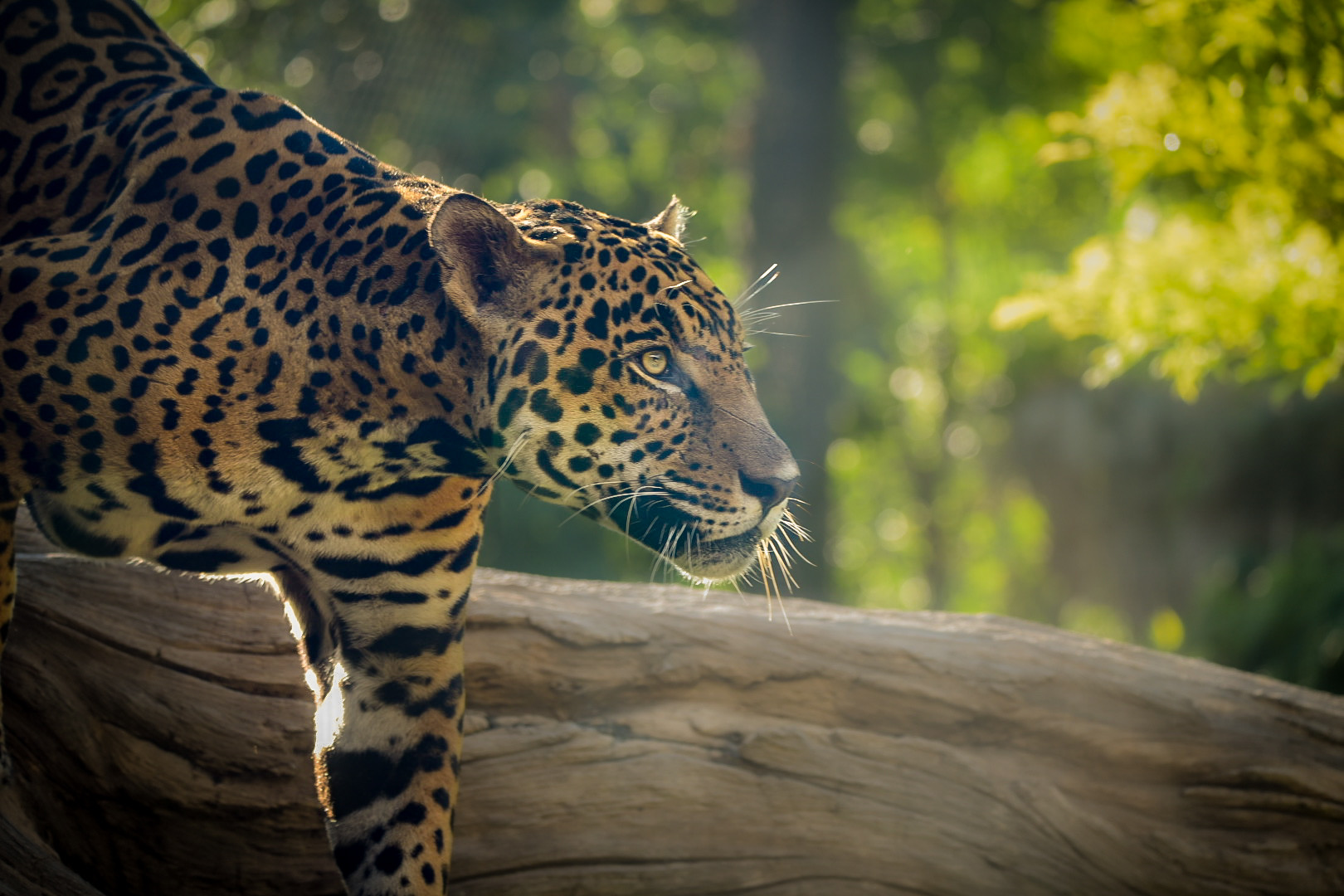
Houston Zoo’s 11-year-old male jaguar, Tesoro, is recovering from surgery after fracturing his front right leg. The injury, along with existing arthritis and elbow dysplasia, required immediate surgical intervention by veterinary specialists. Following the successful procedure, Tesoro is now in a recovery phase away from public view. Meanwhile, visitors can see his cub, Rojo, with mom, Vida. The zoo’s team is dedicated to Tesoro’s care, though his full recovery is not guaranteed. The zoo also supports conservation efforts for wild jaguars through its participation in the SAFE program in Belize, which works to protect their natural habitats.
- Tesoro, an 11-year-old jaguar at Houston Zoo, is recovering from surgery following a serious leg injury.
- The veterinary team, along with experts, is providing comprehensive care to aid Tesoro’s healing process.
- The zoo’s conservation efforts support wild jaguars through programs like Saving Animals from Extinction (SAFE).
- The importance of veterinary care and animal welfare in zoos for quality life and conservation is emphasized.
- Understanding jaguar behavior and habitat is crucial for effective wildlife conservation efforts.
Tesoro, an 11-year-old jaguar at Houston Zoo, is currently on the mend after sustaining a devastating injury to his front right leg. The fracture required immediate attention, leading to surgery performed by skilled board-certified veterinary surgeons from Gulf Coast Veterinary Specialists. This marks the beginning of a significant recovery journey for Tesoro, monitored closely by a dedicated team.
Houston Zoo’s expert veterinarians are central to this journey. They combine their expertise to ensure Tesoro has the best opportunity to regain his quality of life. Radiographs revealed that Tesoro not only suffered a fractured elbow but also has underlying arthritis and elbow dysplasia—conditions prevalent among older cats. This complex medical scenario highlights the essential role of veterinary precision and diligent care in managing such cases.
Post-surgery, Tesoro was moved to a quiet, controlled environment. He will spend the next few months away from public view, allowing him the necessary time and space to heal. In his absence, visitors can observe his playful cub, Rojo, who remains active in their habitat with mother, Vida. This situation underlines the zoo’s commitment to providing holistic care and prioritizing animal welfare.
The zoo’s commitment extends beyond the individual care of animals like Tesoro. Houston Zoo participates actively in conservation programs, such as Saving Animals from Extinction (SAFE): Jaguars. This initiative focuses on protecting jaguars in threatened habitats like the Cockscomb Basin Wildlife Sanctuary in Belize. By supporting local rangers and funding patrols, Houston Zoo plays a critical role in mitigating illegal activities such as poaching.
Awareness and support for such programs are crucial for guests visiting the zoo. With each ticket sold, a portion of the revenue contributes to these conservation efforts, symbolizing a collective endeavor to protect these majestic creatures in the wild. The zoo also participates in guiding the strategic direction of these initiatives, ensuring they remain effective and impactful.
The veterinary team at Houston Zoo exemplifies an ideal standard of care, ensuring that all animals receive high-quality medical attention and daily care from trained professionals. This approach is vital in promoting the well-being of animals within the zoo, emphasizing the need for preventive and ongoing health measures. Tesoro’s veterinary care underscores the importance of continuous observations and routine checkups, allowing for timely interventions when necessary.
Understanding jaguar behavior and their natural habitat is integral to effective conservation strategies. Jaguars typically inhabit remote grasslands in South and Central America, requiring vast territories to thrive. They are solitary predators, relying on stealth and power to hunt. Understanding these characteristics assists in crafting conservation methods that respect their ecological role and natural behavior.
Conservation efforts, such as habitat preservation, are crucial in ensuring that jaguars can continue to flourish in the wild. Education and awareness-raising initiatives by zoos play a pivotal role in sensitizing the public to the challenges faced by wildlife. By fostering a deeper appreciation and understanding of these animals, zoos can galvanize support for broader environmental stewardship.
The delicate balance of caring for animals in captivity while supporting their counterparts in the wild is a core tenet of modern zoological practices. Initiatives like Houston Zoo’s demonstrate the multifaceted responsibilities of zoos in not only safeguarding individual animals like Tesoro but also contributing to global biodiversity conservation.
Tesoro’s journey to recovery is a testament to the dedication of the veterinary and animal care teams. It also serves as a reminder of the vital connection between zoos and broader conservation efforts. By supporting zoos that engage in such comprehensive practices, visitors can actively contribute to the preservation and protection of endangered species worldwide.
