
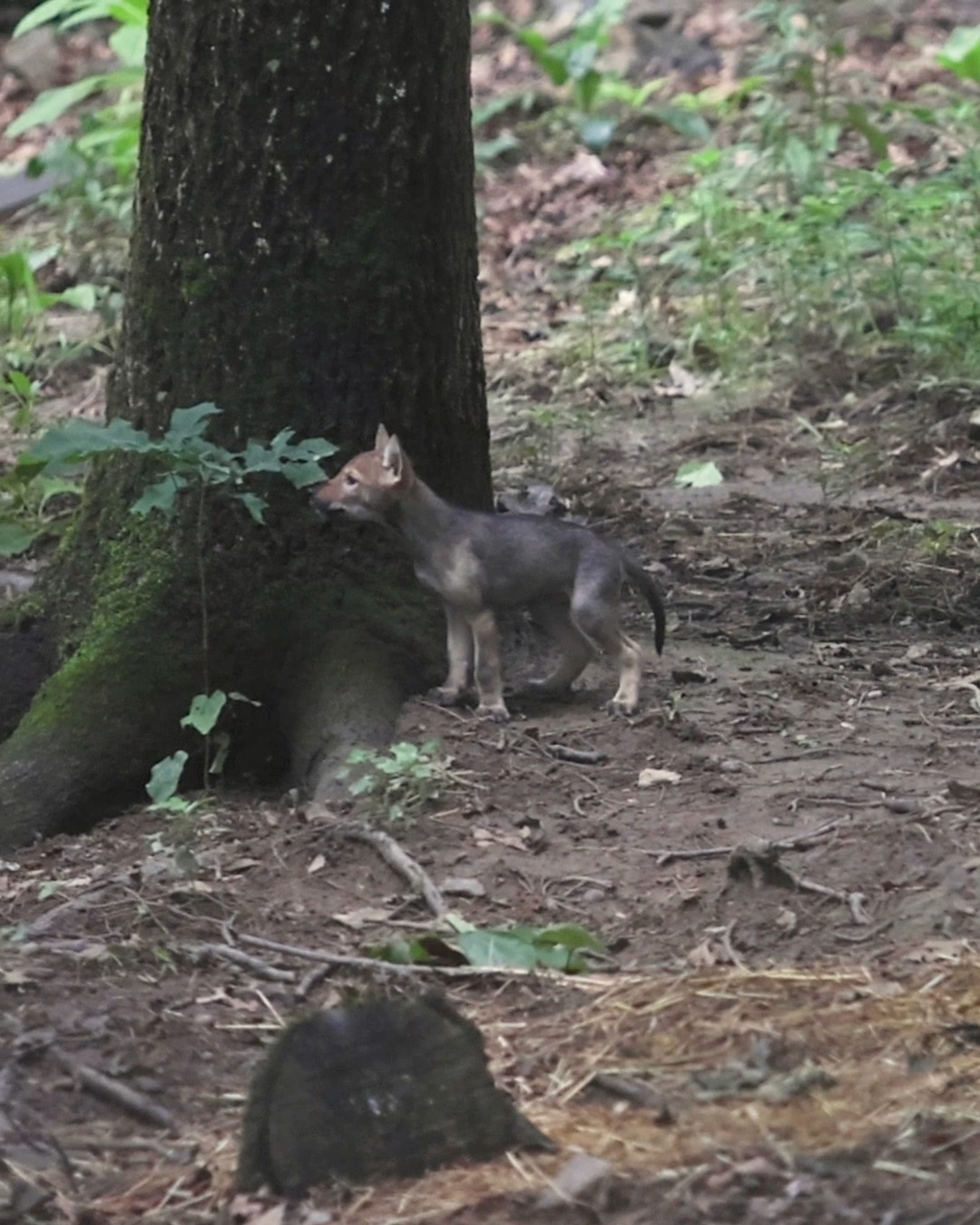
- Introduction to Red Wolf Pups in Zoo Knoxville
- The Significance of Red Wolves in Conservation
- Behavior and Development of Red Wolf Pups
- Importance of Zoos in Conservation and Education
- Conservation Efforts and Future of Red Wolves
Spring at Zoo Knoxville is nothing short of lively, especially with the arrival of intriguing new residents. Six red wolf pups have emerged from their den, and their presence is capturing attention. This event represents a vital moment for the conservation community as red wolves are a critical focus for wildlife preservation. Let’s explore this fascinating development and the broader implications for conservation efforts.
Red wolves (Canis rufus) are an integral part of North American wildlife, embodying the rich biodiversity of the region. These animals unfortunately face the threat of extinction, with fewer than 25 known individuals remaining in their native habitats. This makes the successful birth and emergence of six pups a significant victory in the ongoing struggle against their disappearance.
The birth of red wolf pups at zoos like Knoxville plays a transformative role in conservation. Such centers serve as sanctuaries for species whose numbers are dwindling in the wild. By providing a controlled and safe environment, zoos contribute to maintaining genetic diversity while educating the public on the importance of wildlife conservation.
Red wolf pups, once they emerge from the den, are a flurry of activity. Observers often witness them wrestling, exploring their surroundings, and being naturally curious. These behaviors are not just playful interactions; they are critical learning experiences that teach the pups essential survival skills. During these early months, pups develop social bonds and establish hierarchies, learning from their parents and pack members.
Zoos, like Zoo Knoxville, are crucial in the world of wildlife conservation, emphasizing both protection and public education. By housing these pups, zoos provide researchers and the public with a chance to observe and learn about red wolves’ behavior, biology, and the challenges they face in the wild. Engagement with such wildlife up close fosters a deeper understanding and appreciation, often inspiring visitors to support conservation initiatives.
The future of red wolves hinges on conservation efforts, including habitat protection, breeding programs, and public awareness campaigns. Collaboration between zoos, conservation organizations, and governments is essential to develop strategies that will help increase red wolf populations in the wild. Effective conservation programs are vital in ensuring that these creatures do not vanish from our landscapes.
As spring unfolds at Zoo Knoxville, the presence of red wolf pups symbolizes a beacon of hope and determination. These animals represent much more than a species needing help; they embody the larger issues facing wildlife worldwide. By visiting the zoo and supporting conservation efforts, we contribute to a future where red wolves and countless other species thrive.
*****
Source Description
Red Wolf Pups Are Out!
The red wolf pups have made their way out of the den and into the wide open! If you catch them outside, you might see some wrestling, exploring, and pups just being wolves.
Yesterday: 6 bat-eared fox kits make their debut.
Today: 6 red wolf pups are out and about!
It’s been a busy spring at Zoo Knoxville. Come by and check them out!
