
- The significance of the red wolf population and conservation efforts.
- Details about the red wolf pups’ birth and development at Zoo Knoxville.
- Challenges and strategies in red wolf preservation.
- The role of zoos in wildlife conservation and education.
- The importance of hands-off wildlife management practices.
The red wolf represents a critical piece in the delicate fabric of our ecosystem. As one of the world’s most endangered canids, its survival hinges on dedicated conservation efforts. Historically, red wolves roamed the southeastern United States, but today, their numbers have plummeted, largely due to habitat loss, human encroachment, and hybridization with coyotes. Understanding the importance of the red wolf population provides a lens through which we can appreciate the complexities of wildlife conservation.
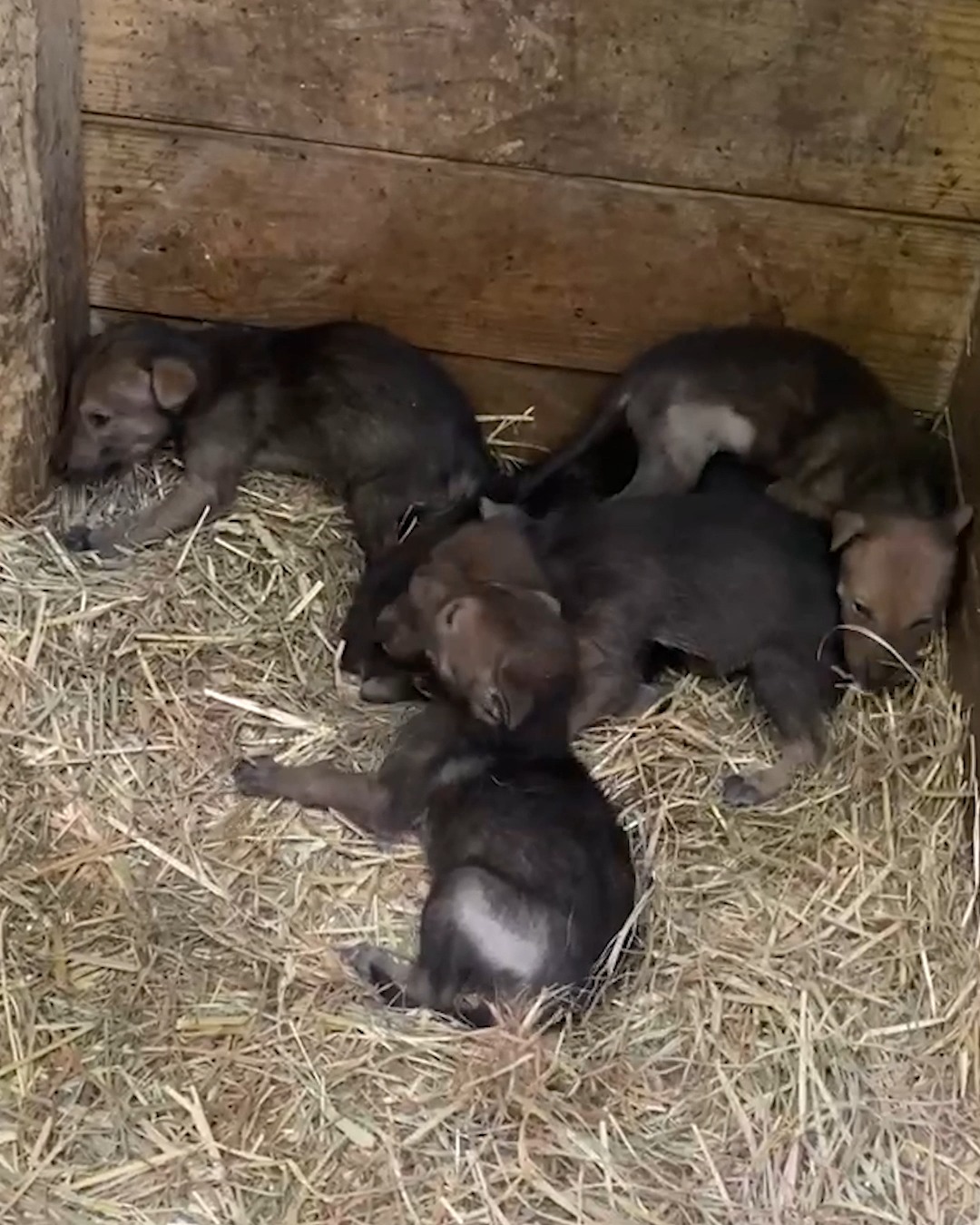
Zoo Knoxville recently marked a milestone: the birth of six red wolf pups on Earth Day. This moment symbolizes hope and progress in the fight against the extinction of this critically endangered species. The news that these pups have opened their eyes is a sign of healthy development. These early weeks are crucial; during this time, pups are particularly vulnerable, and ensuring their health in a captive environment is a delicate balance. The zoo’s commitment to monitoring these pups without intrusive interference underlines the importance of a minimal-contact approach, allowing the wolves to mature naturally while still benefiting from human oversight for their safety and health.
The obstacles in the path of red wolf preservation are significant. The species faces challenges such as limited genetic diversity and competition with the resurgent coyote population. Conservationists employ strategic breeding programs and habitat restoration efforts to counter these threats. Breeding programs are meticulously designed to maintain genetic diversity; by carefully selecting mating pairs, zoos and conservationists help ensure that the limited genetic pool of red wolves remains as robust as possible. Additionally, creating protected habitats where red wolves can thrive is another cornerstone of these efforts. Such initiatives are complex, requiring collaboration between governmental bodies, wildlife experts, and local communities.
Zoos like Zoo Knoxville play a vital role in wildlife conservation and education, acting as both conservation centers and educational resources for the public. Through public engagement and education programs, zoos raise awareness about the plight of endangered species such as the red wolf, inspiring support for conservation efforts. Moreover, zoos provide a controlled environment where endangered species can breed and grow without the immediate pressures of the wild, serving as a genetic reservoir for future reintroductions.
Hands-off management practices are crucial in breeding and rearing red wolves in captivity. This approach allows them to maintain natural behaviors, reducing the risk of them becoming overly dependent on humans. By minimizing human interaction, these animals retain their instincts, which are essential for survival if they are reintroduced into the wild. Such practices underscore the broader goal of conservation efforts: to not only preserve species but also prepare them for a life beyond captivity.
In summary, the birth of new pups at Zoo Knoxville is not just a moment of celebration but a testament to the importance of ongoing conservation work. By navigating the complex challenges of wildlife management, zoos and conservationists provide hope for a species on the brink, illustrating the powerful role that informed, strategic conservation efforts can play in sustaining our planet’s biodiversity.
*****
Source Description
🐾 Red Wolf PUPDATE! 🐾
Big milestone for our Earth Day babies — the red wolf pups have opened their eyes! 👀
Zoo Knoxville welcomed six critically endangered red wolf pups on Earth Day, and we’re happy to report that the whole group is doing great.
Our keepers are staying as hands-off as possible to give these pups the best chance to grow up like wolves. We’re doing brief check-ins to ensure they’re healthy and thriving, but otherwise letting their parents do the rest. Stay tuned for more updates as they grow!
