
- Exploring Dr. Sylvia Earle’s Perspective on Individual Impact
- The Role of Zoos in Biodiversity Conservation
- Techniques and Challenges in Wildlife Conservation
- The Importance of Marine Ecosystems and Ocean Health
- Engaging Communities for Environmental Stewardship
Dr. Sylvia Earle, an acclaimed ocean explorer and advocate for environmental conservation, emphasizes the critical role individuals play in shaping our future. Her quote, "Many of us ask what can I, as one person, do, but history shows us that everything good and bad starts because somebody does something or does not do something," resonates deeply in the context of World Environment Day. This message underscores the importance of individual action in global environmental initiatives and serves as a powerful reminder of our potential to drive positive change.
Zoos play a pivotal role in biodiversity conservation. They serve not only as educational platforms but also as sanctuaries for animals under threat. Modern zoos focus on creating environments that mimic natural habitats, prioritizing the psychological and physical well-being of the animals. This includes enriched enclosures that stimulate natural behaviors, enhancing the health and longevity of zoo inhabitants.
However, zoo management is not without challenges. Balancing conservation efforts with educational outreach requires strategic planning. For instance, maintaining genetic diversity within captive populations is crucial. This involves careful breeding programs and collaboration with other institutions globally. Through these efforts, zoos help mitigate the loss of species due to habitat destruction and climate change.
Conservation techniques are diverse and intricate. Wildlife biologists employ methods such as habitat restoration, anti-poaching initiatives, and species reintroduction programs. Habitat restoration involves rehabilitating ecosystems that have been degraded, allowing native species to recover and thrive. Anti-poaching efforts are critical in areas where illegal hunting threatens national and international wildlife. Conservationists work alongside local governments to enforce laws and protect vulnerable species.
Species reintroduction can be complex. It involves preparing animals for life in the wild, necessitating comprehensive understanding of their ecological roles and behaviors. Scientists evaluate factors such as genetic health and adaptability, ensuring released populations can sustain themselves and contribute to ecosystem health.
Marine ecosystems, central to Dr. Earle’s work, are vital to global biodiversity and climate regulation. Oceans cover 71% of the planet, playing a crucial role in carbon sequestration and supporting a diverse array of life. The health of marine environments affects weather patterns, seafood sources, and shoreline protection. Pollution, overfishing, and climate change pose significant threats to these ecosystems.
Efforts to protect marine biodiversity include establishing marine protected areas, regulating fishing practices, and reducing pollution. Marine protected areas offer safe havens for endangered species and help maintain ecological balance. Sustainable fishing practices are essential to prevent overexploitation and ensure the resilience of ocean resources. Moreover, reducing plastic waste and other pollutants is critical to safeguarding marine life.
Engaging communities is essential for effective environmental stewardship. Education and grassroots movements empower people to take action and advocate for policy changes. Community involvement can lead to innovative solutions, such as community-managed reserves and local conservation initiatives. These efforts increase public awareness and drive collective action, reinforcing the significance of individual contributions.
Dr. Sylvia Earle’s insights inspire us to recognize our responsibility in environmental conservation. By highlighting the interconnectedness of individual actions and global outcomes, her message urges us to contribute to the preservation of our planet. World Environment Day serves as a reminder of our shared duty to protect and foster a sustainable future for all living organisms. The combined efforts in zoo conservation, wildlife management, marine protection, and community engagement illustrate the multifaceted approaches necessary to address environmental challenges effectively. Each action, no matter how small, contributes to the larger goal of ensuring a healthier planet for future generations.
*****
Source Description
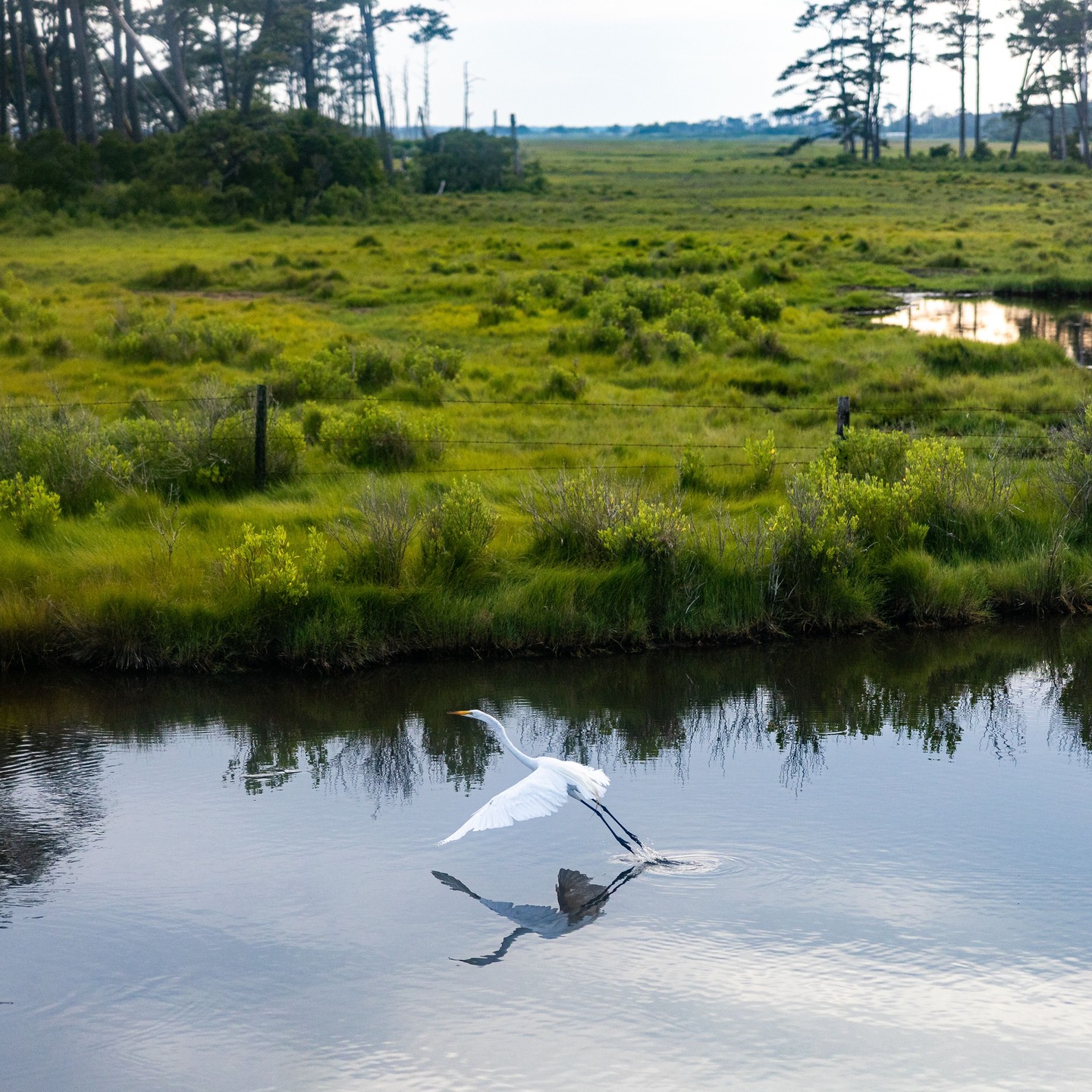
This World Environment Day, we think of a quote from Dr. Sylvia Earle, an esteemed ocean explorer and writer:
“Many of us ask what can I, as one person, do, but history shows us that everything good and bad starts because somebody does something or does not do something.”
