
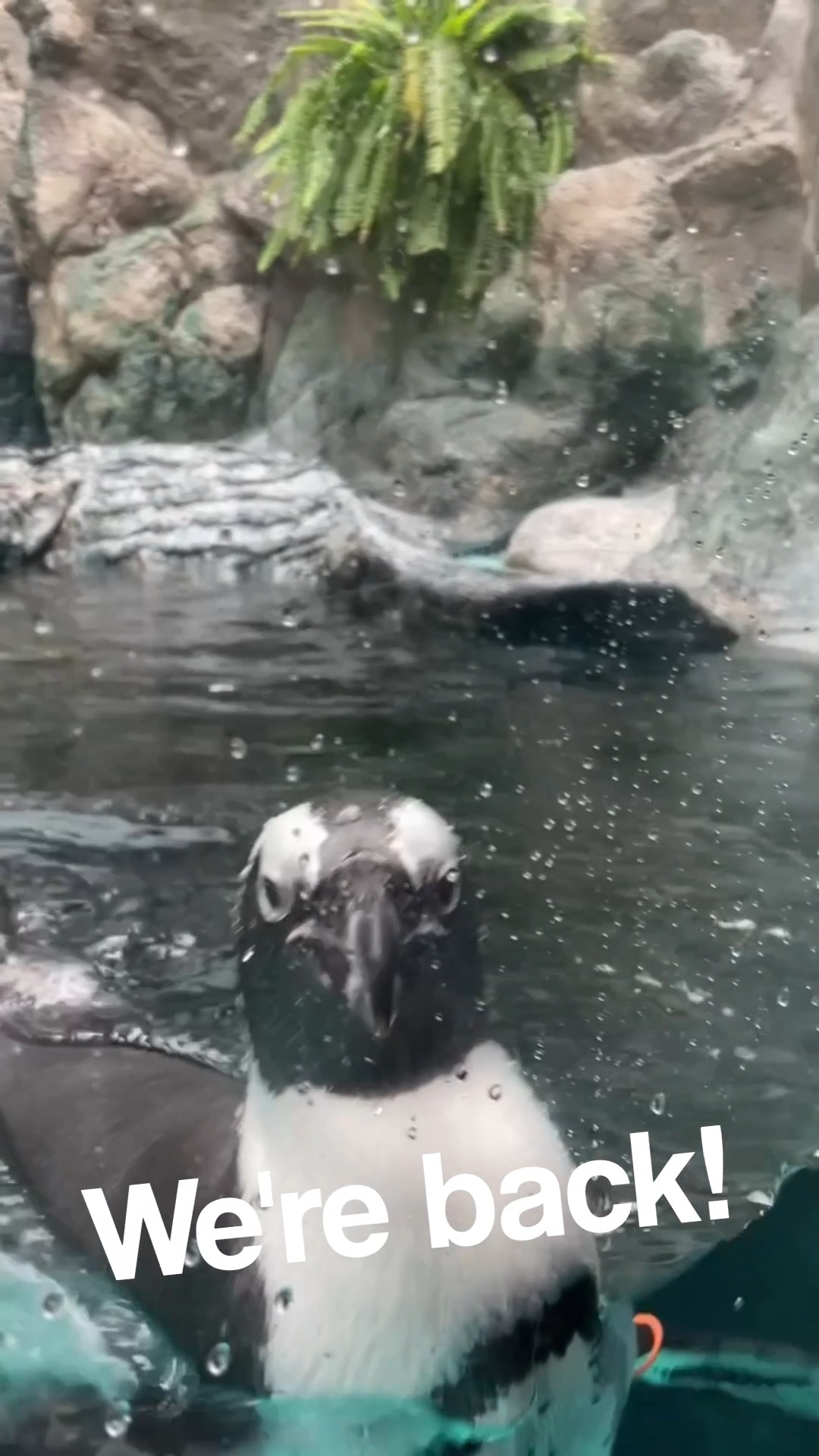
- The return of African Penguins to their exhibit is significant for conservation efforts and public education.
- African Penguins face numerous challenges in the wild, highlighting the importance of their protection.
- Zoo exhibits play a critical role in wildlife conservation, education, and awareness.
- Engaging digital media, like Instagram, can enhance conservation messages and public engagement.
- Scientific research and zoo-based programs are vital to understanding and preserving African Penguins.
The return of African Penguins to their exhibit is a momentous occasion, both for wildlife enthusiasts and the broader conservation community. The presence of these charismatic birds in zoological settings underscores ongoing conservation efforts and the role of education in safeguarding endangered species. African Penguins, or Spheniscus demersus, are fascinating creatures that face significant challenges in their natural habitats. Their updated exhibit provides an opportunity to educate the public about the urgent need for conservation.
African Penguins are native to the coasts of South Africa and Namibia, a region where environmental and anthropogenic pressures have led to dramatic declines in their populations. The species is currently classified as endangered, with threats including overfishing, habitat destruction, oil spills, and climate change affecting their survival. The return of these penguins to a controlled exhibit setting aids in boosting public understanding and empathy for their plight while contributing to broader conservation objectives.
Zoo exhibits serve as crucial platforms for education and conservation. They offer visitors a unique opportunity to observe and learn about species that they might never encounter in the wild. By interacting with exhibits, visitors can gain insights into these animals’ behaviors, ecology, and the challenges they face. Well-designed exhibits can inspire a sense of connection and responsibility towards wildlife conservation. This encouragement is essential, considering the critical state of African Penguins in the wild.
Additionally, modern zoos increasingly focus on immersive and educational experiences that simulate natural habitats and behaviors. Such exhibits are conducive to behavioral studies and research efforts that can inform conservation strategies. By observing penguins in a controlled environment, researchers can study their breeding habits, dietary needs, and social interactions, gaining invaluable data that can be applied to conservation initiatives.
Digital platforms like Instagram play a pivotal role in amplifying conservation messages. The platform’s ability to engage wide audiences through visually appealing content can greatly enhance the reach and impact of educational campaigns. An engaging digital presence can bring the story of African Penguins to millions, fostering awareness and encouraging active participation in conservation efforts. This approach allows zoological institutions to connect with younger, tech-savvy audiences, broadening the conversation about conservation.
Scientific research is integral to understanding and preserving African Penguins. Zoos provide a venue for critical research that might be difficult to conduct in the wild due to environmental and logistical challenges. Studies carried out in zoo settings can focus on health assessments, genetic diversity, and reproductive success, informing broader conservation policies and practices. Collaborative research efforts between zoos, academic institutions, and conservation organizations are crucial for developing effective strategies to protect African Penguins.
In conclusion, the reintroduction of African Penguins to their exhibit is a vital component of species conservation and public education efforts. By visiting the penguin exhibit, audiences not only learn about these remarkable birds but also become part of a larger initiative to protect them. As zoos continue to evolve as centers of conservation and education, they play a pivotal role in bridging the gap between wildlife preservation and public awareness. Through a combination of engaging exhibits, digital outreach, and scientific research, the hope is to secure a more sustainable future for African Penguins and countless other species facing similar challenges.
*****
Source Description
Good news! The African Penguins are back on exhibit!
