
- Conservation efforts on Endangered Species Day: Reflection and action
- Focus species in conservation: sharks, sea turtles, corals, crocodilians, and Komodo dragons
- Species Survival Plans and special projects: Research and rehabilitation initiatives
- Role of zoological exhibits in global wildlife conservation
- Highlight of the organization’s conservation projects and global partnerships
On Endangered Species Day, we have an opportunity to reflect on the dynamic work dedicated to the conservation of threatened animal species. This observance reminds us of our collective responsibility and highlights our organization’s commitment to both education and active participation in preserving biodiversity. Within our exhibits and beyond, conservation efforts focus on several species including sharks, sea turtles, corals, crocodilians, and Komodo dragons. These species, representative of diverse ecosystems, benefit from targeted programs like Species Survival Plans and other unique projects aimed at protection and rehabilitation.
Sharks, particularly species like the zebra shark, are under threat due to overfishing and habitat destruction. These apex predators play vital roles in maintaining marine ecosystem balance. Our team collaborates with international partners to research shark breeding behaviors and habitats. In captivity, successful breeding programs contribute valuable genetic diversity to wild populations. Additionally, public education through tank exhibits helps demystify these often misunderstood creatures, fostering a culture of coexistence and respect.
Sea turtles face numerous challenges, from bycatch in fishing operations to climate change affecting nesting beaches. The focus of our initiatives lies in habitat protection and rehabilitation. Captive breeding and release programs aim to stabilize populations, while satellite tracking provides critical data on migratory patterns. Collaboration with coastal communities ensures that conservation efforts are practical, leading to effective mitigation strategies that reflect local ecological and economic realities.
Our coral conservation projects target threats like ocean acidification and pollution which deteriorate these vital marine organisms. Corals provide essential habitats for myriad marine species, and their decline has cascading effects on biodiversity. Through coral propagation and restoration techniques, our scientists work to revive damaged reefs. These efforts are supported by education campaigns that highlight the importance of marine ecosystems and advocate for pollution reduction and sustainable resource use.
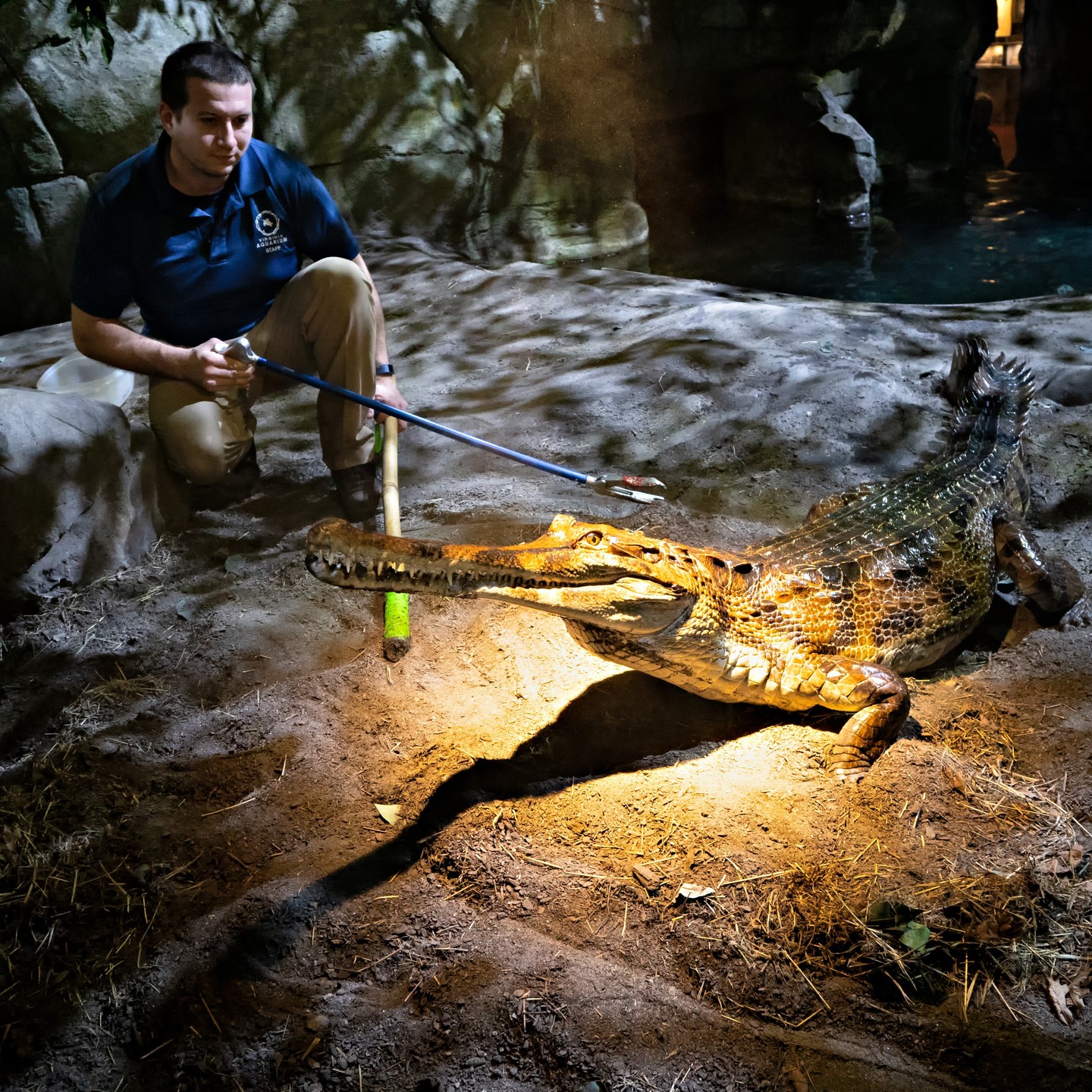
Crocodilians, including species like the Tomistoma, suffer from habitat loss and illegal hunting. These ancient reptiles require specific environmental conditions to thrive, making them sensitive indicators of ecosystem health. Conservation work involves habitat protection and captive breeding programs, designed to bolster wild populations. Education initiatives focus on dispelling myths and promoting coexistence with these crucial wetland inhabitants.
The Komodo dragon, the largest living lizard, is a flagship species representing the biodiversity of its native Indonesian islands. Habitat encroachment and poaching pose ongoing threats to its survival. Our conservation activities are multifaceted, involving habitat protection, diet studies, and health monitoring. By supporting ecotourism and local conservation education, economic benefits align with habitat preservation, creating sustainable coexistence.
Species Survival Plans (SSPs) integrate scientific research and strategic breeding to support population management for threatened species. These plans include monitoring genetic diversity, health assessments, and coordination with global zoological institutions. This collaborative approach enhances resilience against extinction pressures by maintaining viable captive populations capable of reinforcing wild counterparts.
Our role within a global wildlife conservation network extends to unique rehabilitation projects. These initiatives provide second chances for injured or displaced animals, preparing them for eventual release or lifelong sanctuary. Through meticulous tracking and study, these efforts contribute invaluable data to the broader scientific community, driving innovative solutions to the complex challenges facing endangered species.
Zoological exhibits serve as critical platforms for conservation awareness and action. By providing immersive experiences and learning opportunities, we engage the public, fostering an appreciation and understanding of biodiversity. Interactive exhibits featuring live animals and supporting materials offer insights into ecological roles and conservation challenges. This educational aspect is essential, as informed communities are more likely to support and participate in conservation initiatives.
Our website outlines various projects and partnerships that underscore our conservation mission. From collaborative research with international NGOs to grassroots initiatives in local communities, these efforts highlight the interconnected nature of species survival. Engaging stakeholders at all levels ensures comprehensive strategies addressing ecological, economic, and cultural dimensions of conservation.
In taking an active role in conservation, our team recognizes the importance of integrating scientific research, public engagement, and strategic partnerships. By reflecting on our achievements and challenges on Endangered Species Day, we reaffirm our commitment to a sustainable future for the species we champion. This ongoing journey is guided by a shared vision of stewardship and innovation, aiming to support biodiversity conservation for generations to come.
*****
Source Description
On Endangered Species Day, we reflect on the work our team has done to support the conservation of many threatened animals here in our exhibits and around the world. From sharks and sea turtles to corals, crocodilians, and Komodo dragons, we’re supporting Species Survival Plans and other special projects to research and rehabilitate endangered populations globally. See what conservation efforts we’re involved in on our website – link in bio!
Photos Descriptions: Staff interacting with a Tomistoma, a zebra shark, corals and a Komodo dragon in or around their exhibits.
