
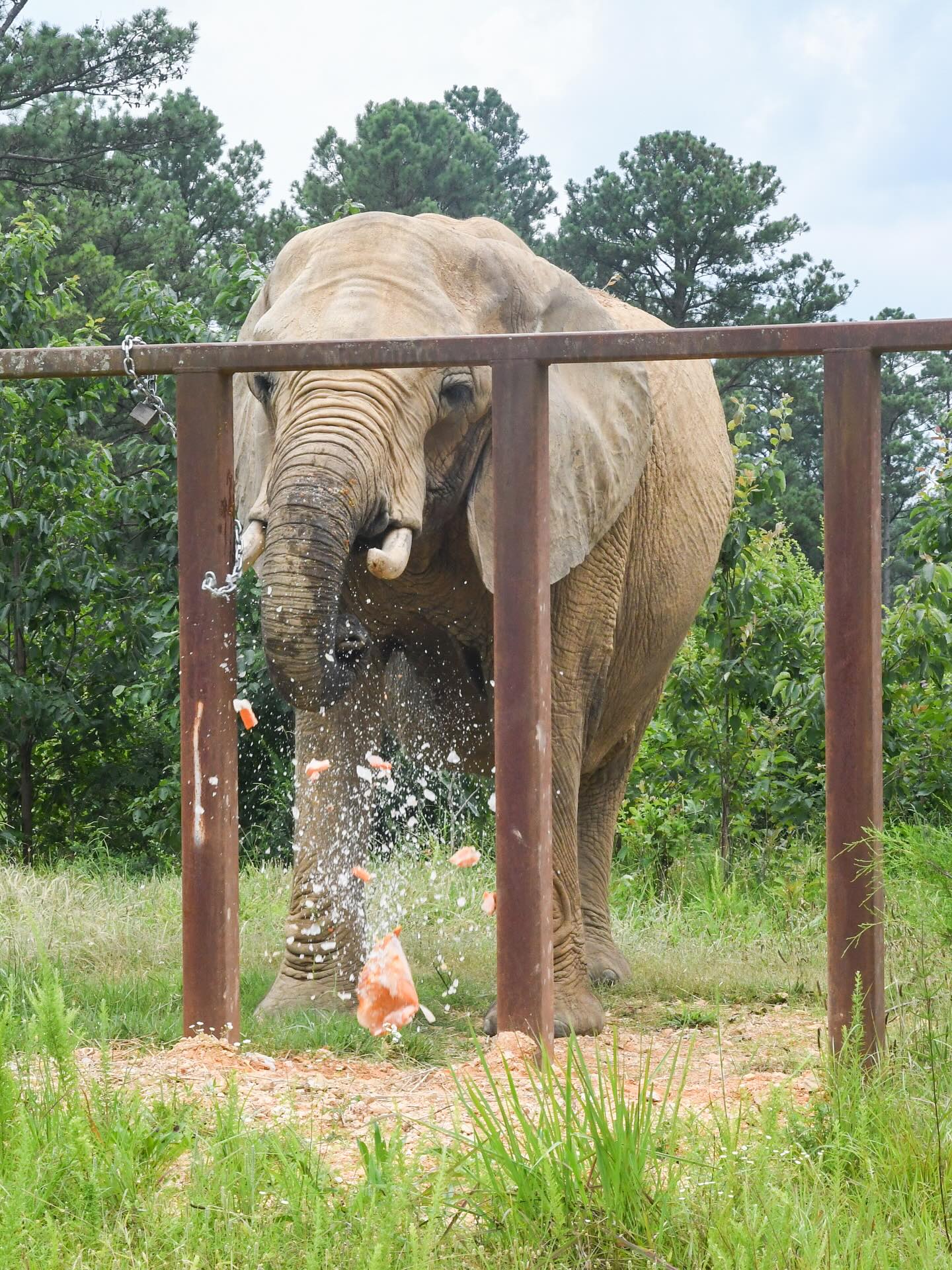
- Produce-filled popsicles as a nutritious summer treat
- Fresh banana leaves: a natural source of hydration
- The role of zoo staff in sustainable food sourcing
- Animal dietary and enrichment benefits
- Sweet potato and pumpkin icy treats: example of healthy snacks
Produce-filled popsicles are delicious and nutritious snacks that are perfect for warm summer days. They not only provide hydration but also serve as a medium for introducing fruits and vegetables into diets, both for humans and animals in a zoo setting. These popsicles can be crafted from an array of colorful produce, enhancing appeal and nutrition. Fresh fruits like berries, mangoes, and even vegetables such as carrots can be blended and frozen. The vibrant colors and refreshing flavors usually result in widespread acceptance by zoo animals.
In recent years, there’s been a growing emphasis on providing nutritious, enriching foods for animals in captivity. Zoo nutritionists are increasingly focusing on the dietary needs of animals, aiming to replicate their natural diets as closely as possible. This is especially important in a world where many animals face habitat loss and declining food sources. By incorporating produce into the diets of zoo animals, facilities can promote natural foraging behaviors and provide essential vitamins and minerals.
Fresh banana leaves are also gaining attention as an effective way to maintain hydration in captive animals. These leaves are rich in moisture, which can be especially beneficial during the hotter months. When combined with other produce to create popsicles, banana leaves not only add a unique texture but also contribute moisture, enhancing overall palatability. Zoo staff are often hands-on in growing banana plants on-site, allowing them to maintain control over the plants’ health and quality. This also reduces the carbon footprint associated with food sourcing.
The zoo staff’s efforts extend beyond just hydrating animals; they play a crucial role in implementing sustainable practices. These individuals are tasked with sourcing fresh produce responsibly and are often involved in growing food on-site through sustainable gardening practices. Such initiatives not only provide food for the animals but also serve as educational opportunities for visitors, showcasing responsible agricultural practices and the importance of local sourcing.
An excellent example of a nutritious treat prepared for the animals is the sweet potato and pumpkin icy popsicle. At certain zoos, such treats are a favorite among various species. For example, an animal named Sukari is often seen thoroughly enjoying this icy delight. This particular recipe utilizes sweet potatoes and pumpkins, providing essential fiber, vitamins, and minerals. The bright orange color is particularly enticing and closely resembles treats they would consume in the wild, making the popsicles a form of dietary enrichment. This encourages natural feeding behaviors, an important aspect of animal welfare.
As animal care and nutrition have advanced, keeping animal well-being at the forefront is essential. The blending and freezing of fruits and vegetables into popsicles can serve as a means to mask less palatable but necessary ingredients. This method also allows staff to introduce unfamiliar foods in a more acceptable form, facilitating a diverse diet. The psychological benefits of such treats cannot be understated. When animals are presented with varied diets and feeding practices, they generally exhibit lower stress levels and increased activity, contributing to overall well-being.
Zoo management also recognizes that play is a vital aspect of animal enrichment. Foods, especially those crafted into fun shapes and sizes like popsicles, can stimulate animals’ curiosity and problem-solving skills. The act of licking, chewing, and manipulating these icy treats adds an engaging dimension to feeding. Incorporating such activities into their daily routines helps mirror the natural foraging experiences animals would encounter in the wild.
Utilizing popsicles made from fresh produce also aligns with efforts in wildlife conservation. By educating the public on the nutritional needs of various species, zoos create an avenue for conversations about the broader impact of diet on wildlife. Visitors can learn how diet affects both animal health in the zoo and wild populations. This educational exchange fosters a deeper understanding of the dietary habits of different species and the environmental factors affecting food availability.
Harvesting fresh produce on-site means valuable educational opportunities for both the staff and the public. Demonstrations on growing practices can showcase responsible gardening, sustainable agricultural techniques, and the significance of preserving endangered plant species. These elements directly link animal care with environmental stewardship, highlighting the interconnectedness of all life forms.
Through these practices, animals like Sukari benefit not only from improved nutrition but also from enhanced living environments. The popsicles crafted from locally sourced produce contribute to a sense of normalcy for animals raised in captivity. This continues to be a crucial area of focus within zoological facilities, aligning recreation, nutrition, and education under a common goal of promoting animal welfare.
In addition to delicious treats, the dietary planning for zoo animals emphasizes balance. Nutritionists analyze the various macronutrients and micronutrients required by different species, ensuring that their diets meet all health standards. The incorporation of produce-filled popsicles is merely one component of a much broader and well-structured dietary program designed with careful attention to the specific needs of each animal.
Research into animal diets reveals much about their natural instincts and habits. Some species are more inclined to consume certain types of vegetation based on their evolutionary backgrounds. For instance, herbivores may benefit significantly from an increase in fibrous plant matter, while omnivores could require a diet that includes various fruits, vegetables, and proteins. As zoos shift towards more naturally-inspired diets, it becomes essential to reflect these variances in dietary offerings.
Sourcing fresh fruit and vegetables from local farms or growing them on-site can establish strong community ties. Partnerships with local agricultural entities enhance food security while promoting local economies. These collaborations can create a hub for sustainable food production that benefits not just the animals but also the community surrounding the zoo.
The integration of community resources into zoo management is essential for holistic conservation efforts. This multidimensional approach lays the groundwork for innovative practices in animal husbandry and environmental sustainability. The emphasis is on developing practices that are ecologically friendly and efficient, incorporating green initiatives while also fostering a strong educational outreach.
Sustainable gardening practices applied by zoo staff, such as rotational grazing or permaculture techniques, allow for healthy ecosystems to thrive. These practices can fill a dual role by benefiting animal welfare while simultaneously promoting ecological balance and sustainability. As animals consume fresh produce, they also contribute to the lifecycle of the garden through waste, enriching the soil for future growth.
The educational role of zoos in promoting healthy eating extends into the public as well. As visitors engage with animal diets through presentations or educational programs, they can glean insights into their health. Understanding that many animals thrive on whole foods, rich in natural sugars and fiber, may influence the public’s dietary choices. The message reinforces the idea that natural nutrition is paramount for all living organisms.
Produce-filled popsicles represent a simple yet effective means of enriching the lives of zoo animals while promoting broader sustainability goals. These nutritious treats, created from locally sourced and sometimes even home-grown produce, resonate with visitors and animals alike. As staff continue to innovate dietary offerings, they strengthen the relationship between human care for wildlife and the natural world. Each sweet potato and pumpkin icy treat consumed is a testament to the dedication of animals and the efforts of those who manage their care.
*****
Source Description
Produce-filled popsicles are always a hit in the summer, along with fresh banana leaves for hydration, grown by Care Staff on-site. Sukari dined on a sweet potato and pumpkin icy treat, which she demolished in a few quick swipes!
