
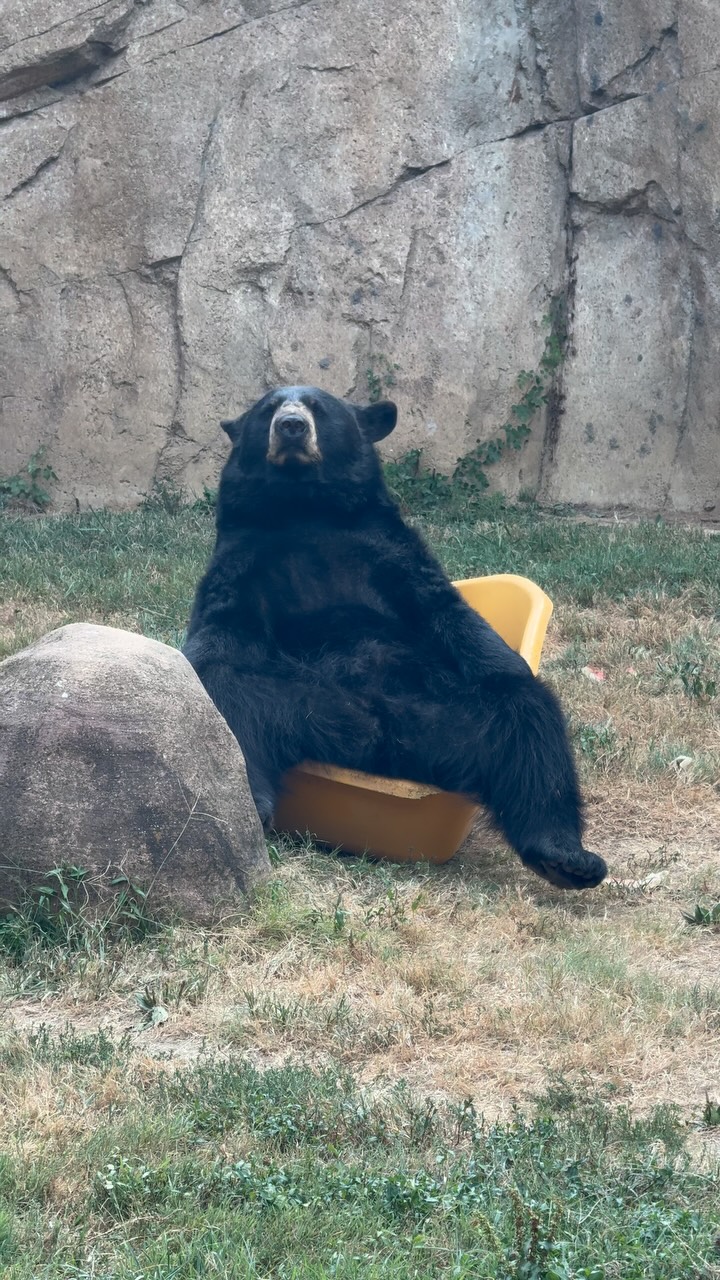
- Understanding the Concept of “He Fits. He Sits.”
- The Importance of Animal Behavior in Zoo Management
- Factors Influencing Animal Comfort in Captivity
- The Role of Enrichment in Animal Welfare
- Conservation Implications of Animal Behavior Studies
The phrase “He fits. He sits.” encapsulates a fundamental observation in animal behavior, particularly in zoo settings. This simple yet profound statement signifies the need for animals to find comfort in their habitats. Animal behavior specialists highlight that understanding how animals adapt to their environment is vital for effective zoo management and conservation efforts.
Animal behavior, an essential field of study within zoology, delves into how different species react to their surroundings. Various factors, such as habitat structure, social dynamics, and individual preferences, play a significant role in determining comfort levels. Observations that animals “fit” into an environment often relate to their nesting, territory establishment, and social hierarchy. When animals achieve this sense of fit, they exhibit more natural behaviors. This is crucial not only for the animals’ psychological well-being but also for visitors’ experiences.
Zoo management must prioritize creating an environment where animals find suitable physical and social fit. An animal might physically fit into a space yet still find social dynamics challenging, affecting its overall well-being. Knowing the distinctions between physical fit and social fit helps in formulating strategies to improve animal habitats. For example, environments designed with adequate hiding spots, climbing structures, and water sources support various behaviors that promote comfort and security.
Animal comfort significantly influences well-being in captivity. Understanding stress indicators provides insight into how well an animal fits into its environment. Animals that feel safe and secure exhibit behaviors characteristic of their species, such as foraging, exploring, or socializing. In contrast, indicators of distress, such as pacing, vocalizations, or withdrawal, signal that specific environmental conditions may not match an animal’s needs.
Zoo professionals often conduct behavioral assessments to gauge how an animal interacts with its setting. Detailed observation techniques can reveal the presence of stereotypic behaviors, which are repetitive actions that can indicate stress. By understanding these behaviors, zoo management can make informed decisions about habitat modifications, animal social groupings, and enrichment opportunities.
Animal enrichment plays a critical role in creating environments where animals feel a sense of “fit.” Enrichment encompasses various strategies and tools designed to stimulate animals physically, socially, and mentally. This might include changing their routines, introducing novel objects, or modifying feeding practices. Effective enrichment encourages exploration, foraging, and problem-solving, thus improving well-being and overall comfort.
For example, an environmental enrichment program for primates might involve creating foraging opportunities that mimic their natural habitat. By hiding food within foliage or creating puzzles that require manipulation to retrieve food, zookeepers promote behaviors such as climbing and social interaction. This mimics natural behaviors and fosters a sense of accomplishment, subsequently enhancing their well-being.
Moreover, the importance of animal behavior extends beyond the individual animal. Observations of confined species often reveal insights that can inform conservation strategies. As zoos increasingly engage in global conservation efforts, understanding how animals adapt in captivity can provide valuable data for species recovery programs. Analyzing behaviors in different environments helps wildlife biologists design better rehabilitation programs for species reintroduction to their habitats.
In addition, studying animal interactions can highlight specific social structures and dynamics that need to be considered when planning breeding programs. Knowing how certain species interact within their structures can optimize genetic diversity in captive populations. These observations directly contribute to shaping more effective conservation practices.
The implications of animal behavior also extend to educational outreach and public engagement. Visitors to zoos often seek more than just a visual experience. Enlightening them on behaviors and welfare helps foster a deeper understanding of wildlife conservation. Programs focusing on animal behavior can also inspire guests to become advocates for wildlife, promoting conservation efforts in their communities.
As this article demonstrates, “he fits. he sits.” transcends beyond a catchy phrase; it represents a pivotal concept in animal behavior studies impacting zoo management and conservation practices. By prioritizing animal comfort and understanding behavioral needs, zoos can improve the quality of life for the animals they house. The implications of this work also extend to broader conservation efforts, where insights derived from captive settings can inform and enhance in-situ conservation strategies.
Effective zoo management incorporates a comprehensive understanding of animal behavior and the factors that influence animal comfort. In this context, the phrase “he fits. he sits.” serves as a reminder of the ongoing responsibility to provide better habitats that support well-being and a true representation of natural behaviors. Through collaboration and continued research, the zoo community can positively impact wildlife conservation on a global scale.
Understanding these concepts empowers stakeholders, from zookeepers to visitors, in recognizing their role in conservation. Adopting a welfare-centric approach fosters a more profound respect for wildlife and the environment. This shift aligns with the broader mission of zoos and aquariums, which is to contribute directly to animal conservation and education.
Thus, the interaction between “fit” and “sit” presents critical insights into animal behavior that underscore the role of zoos as conservation leaders. By prioritizing the nuances of animal comfort and behavioral needs, zoos can create space for animals to thrive and serve as responsible stewards of wildlife conservation ultimately benefiting both animals and ecosystems worldwide.
*****
Source Description
he fits. he sits. ✅
