
Summary of Cool Treats and Splashy Feats:
This summer, the Houston Zoo is offering innovative ways to help animals stay cool amidst rising temperatures. The zoo’s dedicated care teams have created enriching activities to engage animals physically and mentally while encouraging natural behaviors. Highlights include otters swimming energetically, elephants enjoying a deep pool, and jaguar cubs playing with frozen treats. Visitors can also cool off by exploring air-conditioned exhibits such as the Galápagos Islands and the Great Ape Gallery. Each activity serves not only to entertain, but also to promote animal health and well-being. Furthermore, visiting the zoo helps support wildlife conservation efforts globally.
- Innovative methods to keep animals cool at the Houston Zoo during summer.
- The role of enrichment in promoting animal health and well-being.
- Techniques used to stimulate natural behaviors and enhance instincts.
- The impact of visiting the zoo on wildlife conservation efforts.
- Examples of zoo animals engaging in cooling activities for enrichment.
As temperatures rise, Houston Zoo is a hub of activity where innovation meets wildlife care. The summer season brings unique challenges, not just due to the heat, but also because it provides an opportunity to strengthen the bond between animals and their environments. Cool Treats and Splashy Feats is a reflection of the zoo’s commitment to animal welfare as the animals enjoy cleverly designed summer activities.
The dedicated animal care teams at the zoo have developed strategies to keep the animals cool, engaging them physically and mentally. Each method is a creative solution to a common problem, showcasing the zoo’s expertise in animal care and management.
Cooling techniques include the use of water bodies like pools and streams, essential tools in keeping animals refreshed. The zoo’s North American river otter, Ravioli, is an example of how effective this can be. He swims briskly through the pool, his activities not only cooling him but maintaining strong muscles and cardiovascular health. This approach is linked to enhancing species-specific behavior, critical for promoting health in captivity.
Asian elephants also benefit from well-designed cooling strategies. In the McNair Asian Elephant bull yard, elephants like to submerge themselves in a deep pool. These activities replicate their natural behaviors, providing both a respite from the heat and essential exercise. Elephants use their trunks to spray water, which is a natural action for them, enhancing their comfort while increasing their physical activity.
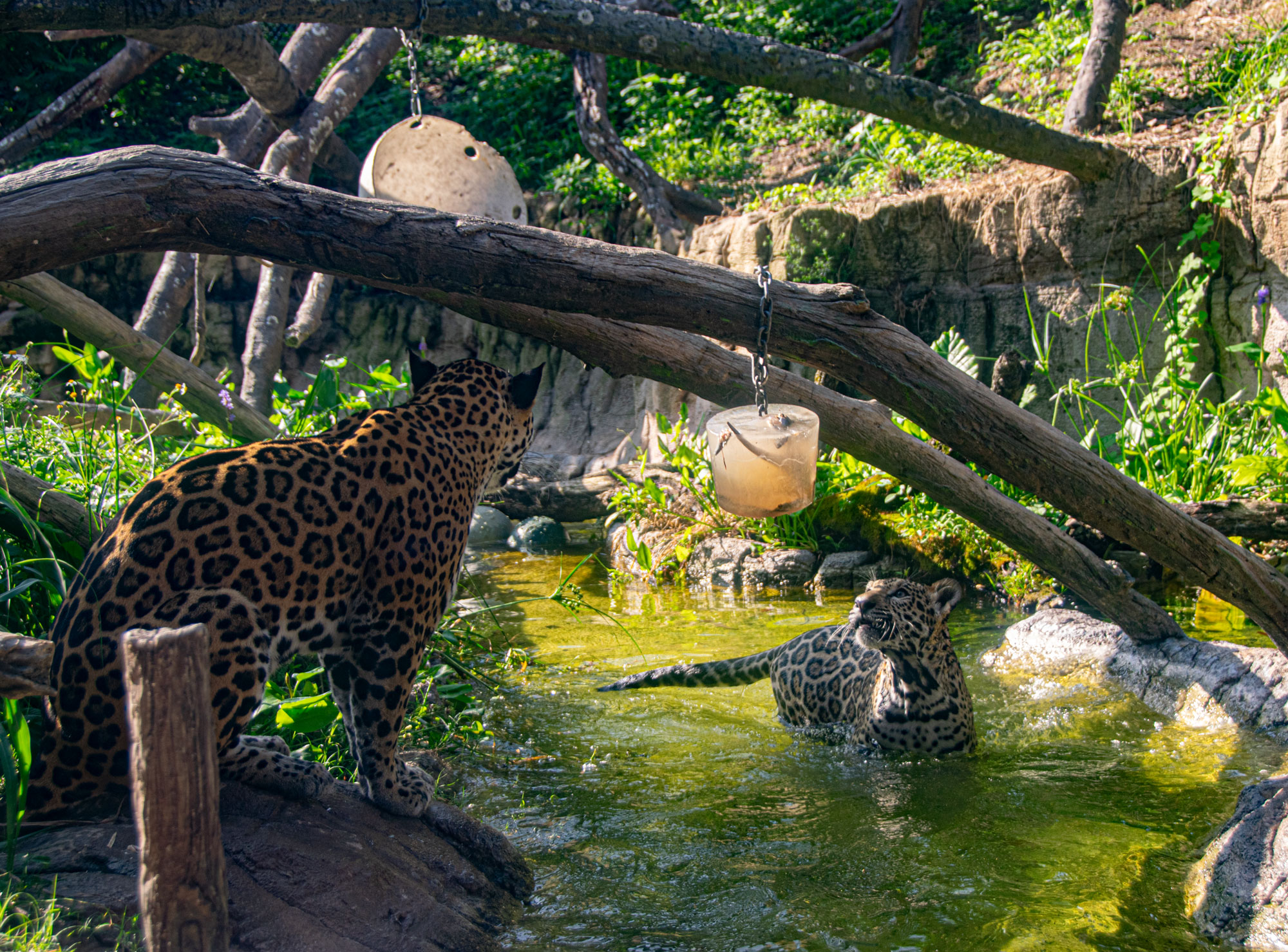
Jaguar cub Rojo is another example of inventive summer care. His splash into a habitat stream and exploration of frozen treats simulate conditions of the wild. These treats are not random; they engage the jaguar’s sensory perceptions, honing skills vital for survival. Such enrichment activities are crucial for developing confidence and independence.
The subject of enrichment is an important aspect of zoo management and wildlife health. These activities support physical health and are meticulously crafted to simulate natural behaviors. They offer mental stimulation, preventing boredom while promoting a vibrant, engaging environment for the animals. This preventative approach is essential in managing the complexity of care needed in zoological settings.
Enrichment activities are designed around the natural habits and preferences of the species involved. This is evident with Olive, the giant anteater, who enjoys the cool mist from a waterfall. The keepers’ understanding of each species’ needs and behaviors highlights the precision with which the zoo approaches animal care. The cooling mist not only provides relief from the heat but supports Olive’s well-being by preventing stress and fostering relaxation.
The visitors play a vital role in the zoo’s conservation efforts. Each ticket purchased contributes to global wildlife conservation projects. The Houston Zoo works with 34 wildlife-saving partners across 19 countries, underscoring the importance of zoos as active participants in global conservation.
The significance of these conservation efforts cannot be overstated. Zoos are not isolated entities; they are part of a global network aimed at preserving biodiversity. By providing firsthand experiences with animals and educating the public, zoos create advocates for wildlife conservation, encouraging visitors to participate actively in protecting the environment.
The Houston Zoo stands as a testament to effective animal care and conservation, spotlighting its commitment through innovative practices such as Cool Treats and Splashy Feats. This initiative not only enhances the lives of animals within the zoo but extends its impact to wildlife conservation on an international scale.
Such endeavors require collaboration, and the Houston Zoo exemplifies this through its partnerships and community engagement. Visitors not only rediscover the beauty and complexity of wildlife but also contribute to a broader mission of conservation, making each visit an act of stewardship towards a healthier planet.
Through these efforts, the zoo illustrates the critical interplay between care, education, and conservation. Cool Treats and Splashy Feats is more than a seasonal program; it’s a dynamic component of the zoo’s overarching mission to advocate for and protect wildlife, all while providing an engaging experience for both animals and visitors alike.
