
- The significance of Lefty’s Release and the conservation efforts involved
- Detailed biological and ecological aspects of the turtle species
- The role of zoos in wildlife conservation and rehabilitation
- Challenges and strategies in managing captive and wild turtle populations
- The impact of educational and awareness programs on conservation success
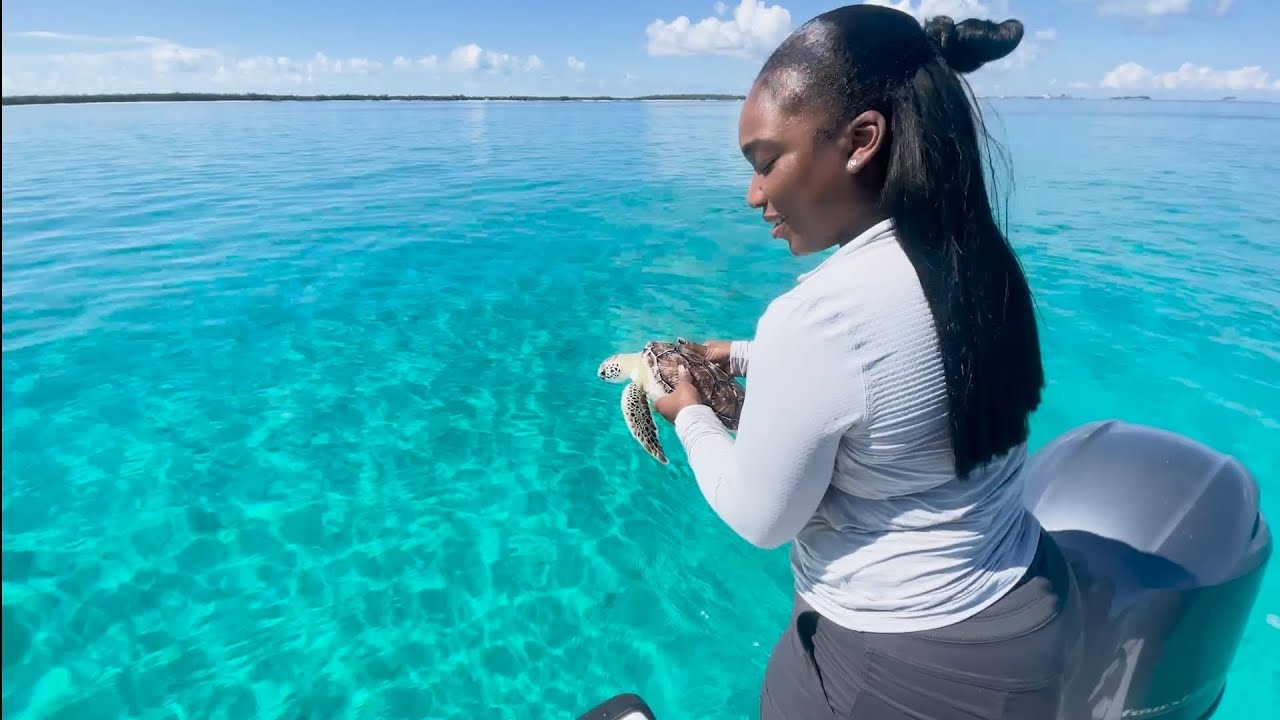
Lefty’s Release marks an important milestone in wildlife conservation. This event is not just about returning a turtle named Lefty to its natural habitat but signifies a broader effort in marine conservation, species preservation, and ecological education. In this article, we explore various aspects concerning Lefty’s Release, providing a reservoir of knowledge for those who have a passion for zoology and environmental conservation.
The significance of Lefty’s Release and conservation efforts
Lefty’s Release is more than an isolated event; it symbolizes a collaborative conservation effort. Lefty, a sea turtle, serves as an ambassador for marine species that face numerous threats due to human activity and environmental changes. Conservation organizations, along with local and global partners, play a crucial role in addressing the challenges these species encounter.
Understanding the importance of Lefty’s Release involves recognizing its impact on habitat restoration and species recovery. Conservation efforts often include elements such as beach clean-ups, plastic reduction campaigns, and policy advocacy aimed at protecting marine environments. Each step, including the release of Lefty, contributes to raising awareness of the anthropogenic threats to marine life and the importance of conservation strategies.
Furthermore, community participation in events like Lefty’s Release highlights the role of public engagement in successful conservation. By fostering a connection between local populations, conservationists hope to inspire sustainable behaviors and long-term commitment to environmental stewardship.
Detailed biological and ecological aspects of the turtle species
Sea turtles, such as Lefty, belong to an ancient lineage dating back over 100 million years. Their biology and ecological roles are fascinating, and understanding these elements helps in appreciating their importance in marine ecosystems. Sea turtles have unique adaptations that enable their survival in aquatic environments, such as hydrodynamic shells, specialized flippers, and extended life spans.
Biologically, sea turtles are reptiles adapted to life in the ocean, requiring conservationists to manage both their marine existence and terrestrial reproduction needs. Seasonal nesting on beaches is a critical part of their life cycle, yet this phase exposes them to numerous threats, including habitat loss, predation, and climate change impacts like rising sea levels.
Ecologically, sea turtles contribute significantly to marine environments. They help maintain healthy seagrass beds and coral reefs, balance marine food webs, and even facilitate nutrient cycling from marine to terrestrial ecosystems. These ecological roles underline the need for concerted conservation efforts like Lefty’s Release.
The role of zoos in wildlife conservation and rehabilitation
Modern zoos have evolved from mere display venues to active centers for conservation, education, and research. The case of Lefty illustrates how zoos can be instrumental in wildlife rehabilitation and species recovery. Through specialized facilities and expert care, zoos are equipped to nurture injured or at-risk animals, preparing them for eventual reintroduction into the wild.
Zoos employ advanced veterinary care, behavioral enrichment, and nutritional management to ensure the health and well-being of captive animals. These practices also contribute to research and understanding of species-specific needs, which is vital for successful conservation initiatives.
Moreover, zoos serve as educational platforms, raising awareness among visitors about the plight of endangered species. By participating in events such as Lefty’s Release, zoos emphasize the connection between conservation efforts and educational outreach programs.
Challenges and strategies in managing captive and wild turtle populations
Managing turtle populations, both in captivity and the wild, presents numerous challenges. Conservationists must address habitat degradation, illegal trade, and genetic diversity maintenance while fostering environments that support turtle survival.
Captive breeding programs are crucial for maintaining genetic diversity and supporting population recovery. Such programs require meticulous attention to breeding protocols, habitat simulations, and health monitoring. Collaboration with international organizations often strengthens these efforts by providing resources and sharing knowledge.
In the wild, conservationists deploy various strategies to protect turtles, such as establishing marine protected areas, enforcing anti-poaching laws, and using technology to monitor nests and migrations. Public education campaigns further complement these efforts by building support for conservation laws and practices.
The impact of educational and awareness programs on conservation success
Education and awareness take center stage in the success of conservation endeavors like Lefty’s Release. By informing the public about marine conservation issues, these programs inspire action and foster a culture of respect and responsibility towards the environment.
Educational programs often include school curricula, workshops, and community events that teach about the ecological importance of species like sea turtles and the challenges they face. These efforts promote understanding of complex environmental issues and encourage proactive conservation behavior.
Furthermore, technology plays a vital role in enhancing educational outreach. Social media, virtual experiences, and interactive platforms expand access to information and engagement opportunities, allowing global audiences to participate in conservation narratives.
Through such integrated efforts, Lefty’s Release does not only represent a single turtle’s journey back to the ocean but a communal stride toward preserving the biodiversity of marine life. The event propels conservation education into mainstream consciousness, helping to cultivate a world that values and protects its natural heritage.
*****
Source Description
Join us as we celebrate #WorldTurtleDay 🐢 Watch this amazing video of Lefty’s release! 🌊
