
- Conservation Significance: Understanding the importance of Blanding’s turtles in maintaining ecological balance and biodiversity.
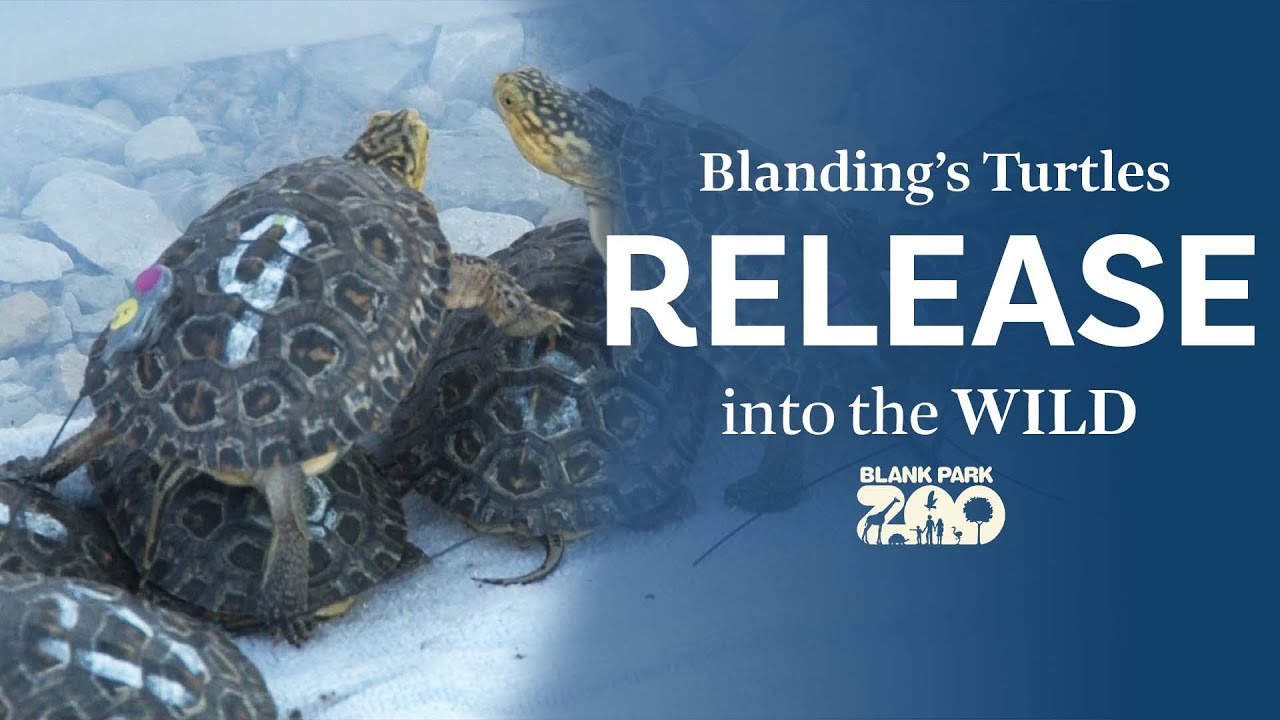
- Blanding’s Turtles Release Program: Detailed examination of the release program, its objectives, and implementation strategies.
- Habitat Requirements and Challenges: Exploring the natural habitat needs of Blanding’s turtles and the challenges they face in the wild.
- Role of Zoos and Wildlife Centers: The contribution of zoological institutions in breeding and release initiatives.
- Public Engagement and Education: The importance of raising awareness and educating communities about Blanding’s turtles and conservation efforts.
Blanding’s turtles are a vital species for maintaining ecological balance and biodiversity. Their semi-aquatic nature makes them crucial for wetland ecosystems, helping control insect populations and supporting nutrient cycling. Due to habitat destruction, climate change, and predation, their numbers have severely dwindled, threatening their role in these environments.
Conservation programs for Blanding’s turtles focus on restoring their population through coordinated release efforts. These programs often target areas where the species once thrived but now face decline. The main objectives are to increase population numbers, enhance genetic diversity, and stabilize existing populations. Through scientific research and breeding programs, conservationists develop strategies tailored to each local environment.
Blanding’s turtles require specific habitats, primarily wetlands with abundant aquatic vegetation, sandy soils for nesting, and safe basking areas. However, habitat fragmentation, pollution, and human encroachment pose significant challenges. Efforts to protect these areas are crucial for the turtles’ survival, requiring collaboration between conservationists, government agencies, and local communities.
Zoos and wildlife centers play a pivotal role in Blanding’s turtles’ conservation. By providing controlled environments for breeding and rearing young turtles, these institutions extend the species’ chances of survival. They focus on maintaining genetic diversity and preparing turtles for release into natural habitats through targeted conditioning practices.
Public engagement is essential in conservation efforts. Raising awareness about Blanding’s turtles through education programs helps foster a community’s connection to local wildlife. By engaging schools, community groups, and media, conservationists can enhance public understanding and support for these initiatives. A knowledgeable public is more likely to contribute to habitat protection and advocate for sustainable environmental policies.
Conservation program success requires interdisciplinary efforts. By combining field studies, captive breeding, public education, and policy advocacy, stakeholders can increase the survival chances of Blanding’s turtles. This holistic approach addresses the immediate needs while laying a foundation for long-term ecological balance and species recovery.
*****
Source Description
