
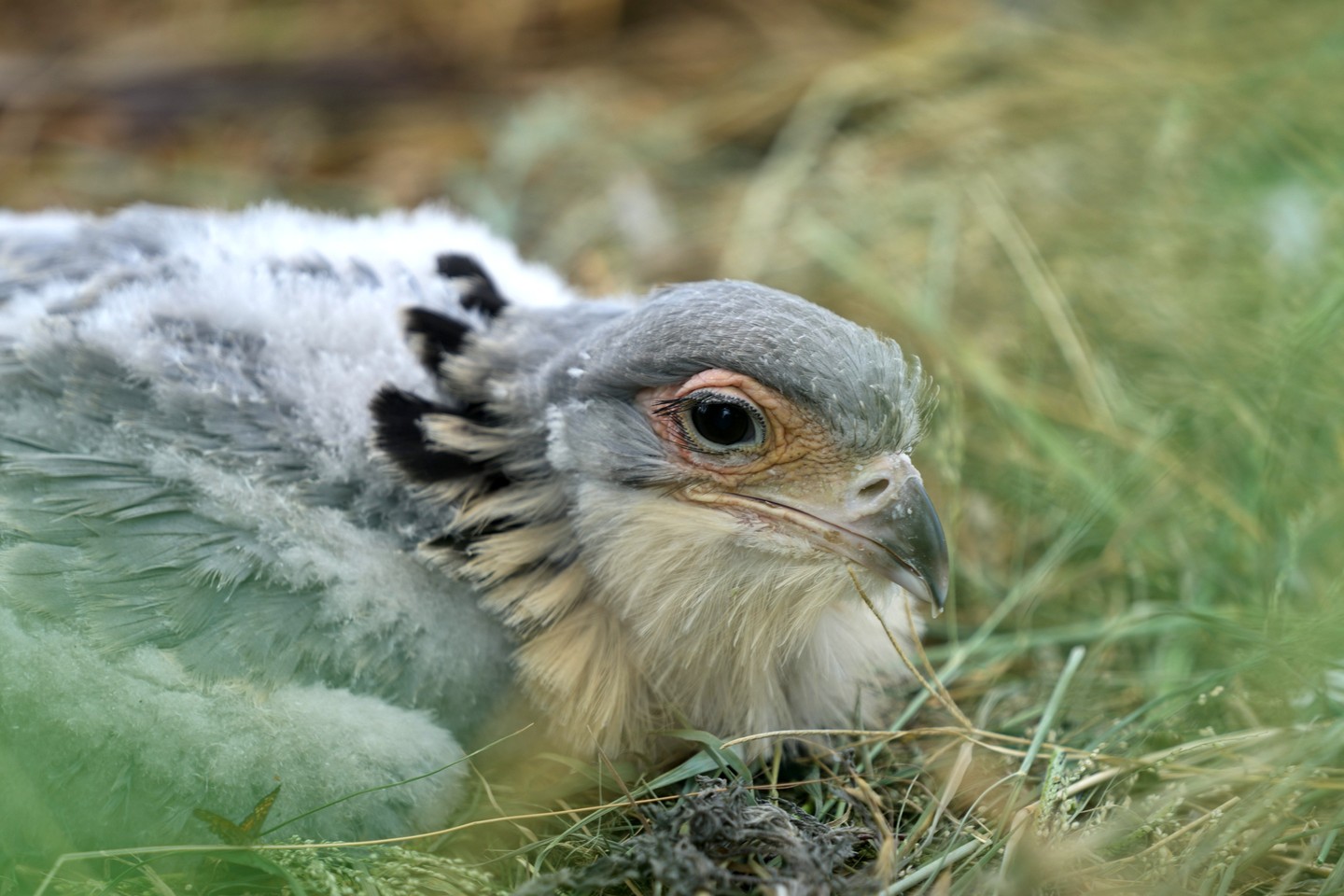
- The life cycle of the secretary bird and its rapid growth
- The ecological role of secretary birds in their natural habitat
- The importance of breeding programs in conservation efforts
- The interactions and behaviors of young secretary birds
- Challenges facing secretary birds and conservation strategies
The life cycle of the secretary bird provides fascinating insights into the rapid development of this iconic species. Hatching from eggs after approximately six weeks of incubation, young secretary birds are initially small and slightly helpless. Within just a few short weeks, however, they grow remarkably, gaining height, weight, and feathers that start to resemble their parents. At about one month old, these young birds become impressively larger and more self-sufficient. Their rapid development is fueled by the rich diet provided by their parents, predominantly insects, small mammals, and reptiles. This nutritional focus helps them build strong muscles and feathers necessary for flight.
As they grow, the young secretary bird’s distinctive long legs and striking plumage begin to emerge. This species is known for its tall stature and elegant appearance, making its growth an exciting observation for both nature enthusiasts and conservationists. In just a few weeks, these young birds can reach a height of up to two feet, with their long wings extending further as they prepare for their first flights. The visual transformation within such a short period showcases not only the agility of birds but also highlights their biological processes.
Secretary birds play a vital ecological role within their habitats. Primarily found in the savannas and grasslands of Africa, these birds are often seen moving gracefully through their territory as they hunt. Their unique hunting techniques, such as running swiftly to catch prey, reflect their adaptation to local ecosystems. Young secretary birds learn these hunting skills by observing their parents, gradually developing their coordination and agility. The ability of secretary birds to control pest populations contributes to the ecological balance, making them a crucial species in maintaining the health of their environment.
The importance of breeding programs cannot be overstated, especially for species like the secretary bird whose populations are facing various threats. Atmosphere degradation, habitat destruction, and hunting significantly impact their numbers. Many zoos and conservation organizations are implementing breeding programs to help ensure the survival of the species. By capturing genetic diversity in captivity, these programs provide a safeguard against potential extinction. Viewing young secretary birds in zoos not only serves education but also raises awareness about the conservation challenges these birds face in the wild.
Young secretary birds exhibit fascinating behaviors that further reflect their adaptability. In their initial growth stages, these birds rely heavily on their parents for food and protection. As they mature, they start to socialize with siblings, learning important social cues and refining their hunting techniques. Observations show that they often engage in playful behaviors, which are essential for developing strength and coordination. Through mimicry and practice, young secretary birds learn specific movements required for hunting and navigating their habitats effectively.
While the growth of secretary birds is remarkable, the challenges they face are equally critical. Habitat loss due to agricultural expansion or urban development poses significant threats to their populations. Moreover, they can fall victim to hunting and trapping as they are sometimes seen as pests. Conservation strategies are crucial to mitigate these risks. Restoration of natural habitats, public education campaigns, and wildlife protection laws play vital roles in safeguarding the future of secretary birds. The work being done in breeding programs mirrors broader conservation efforts that aim not just to preserve individual species but also to foster healthy ecosystems.
The interaction between young secretary birds and their environment reveals a complex web of relationships vital for their survival. From the moment they hatch to their transition into adulthood, secretary birds embody a story of growth, adaptation, and the ongoing challenges of wildlife conservation. Their journey serves as a powerful reminder of nature’s beauty and fragility. Observing young secretary birds during this period provides a unique opportunity to witness the essence of wildlife resilience.
In sum, the transformation of the young secretary bird within just a few weeks offers deep insights into both their biological development and the ecological roles they provide. Understanding the intricacies of their life cycle, movement patterns, and social behaviors enhances appreciation for the species. It is through comprehensive education and conservation efforts that we can work toward a sustainable future for secretary birds, ensuring that their populations thrive for generations to come.
*****
Source Description
Can you believe how much the young secretary bird has grown in only a few weeks? The newest baby is barely a month old and already looking like a star! ⭐
