
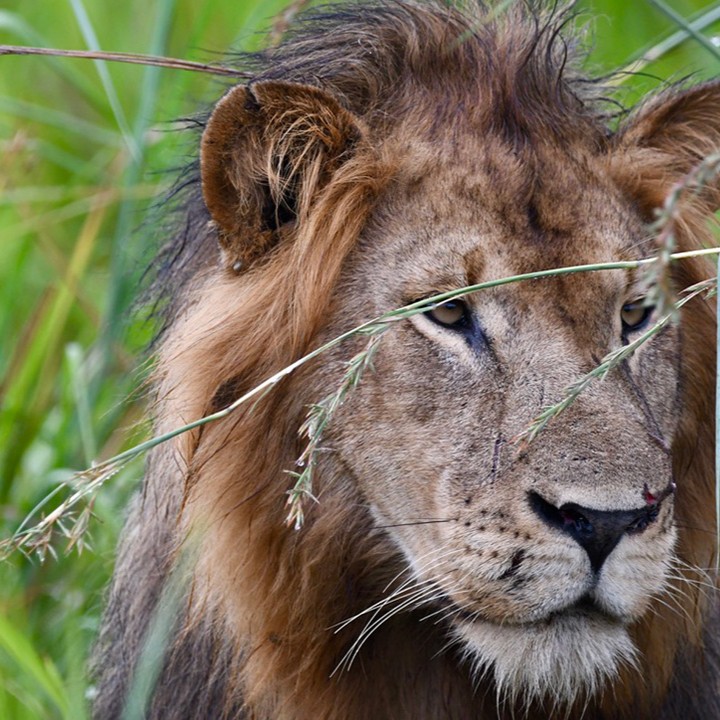
- The urgent need for conservation due to declining African lion populations.
- The significance of the Denver Zoo Conservation Alliance’s initiative.
- The role of local communities and training in lion monitoring.
- The interdisciplinary approach to wildlife conservation in Uganda.
- The impact of partnerships in wildlife conservation efforts.
The African lion (Panthera leo) is an iconic species, revered in various cultures and ecosystems. However, the population has experienced a staggering decline, dropping to fewer than 22,000 individuals in the wild. This decrease represents more than a 30 percent reduction over the last two decades. In specific locations, such as Queen Elizabeth National Park in southwestern Uganda, this decline is even more alarming, with only about 40 lions remaining. Conservation efforts are not just necessary; they are urgent.
The Denver Zoo Conservation Alliance has recently launched an exciting project aimed at saving this majestic species. By partnering with the Kyambura Lion Monitoring Project, which is a part of Volcanoes Safaris, the alliance aims to make significant strides in lion conservation. This project does not merely focus on tracking the remaining lion populations but also emphasizes training local Ugandans in monitoring techniques essential for sustainable wildlife management.
Monitoring lion populations is a complex task that requires both technological expertise and an understanding of animal behavior. The joint effort between the Denver Zoo and local organizations applies advanced methodologies to conduct annual censuses of lions, leopards, and hyenas within the park. Using GPS collars and camera traps, the team can gather vital data on population sizes, movement patterns, and social structures. This information is critical for developing effective conservation strategies.
The participation of local communities cannot be overstated in this initiative. Training local Ugandans in monitoring aims to empower them and foster a sense of ownership regarding their natural environment. These individuals will learn observational techniques, data collection methods, and the importance of biodiversity. This localized training creates a more sustainable approach to conservation that benefits both wildlife and human communities.
Moreover, such community involvement can alleviate some of the human-wildlife conflicts that often arise in areas where lions roam. By teaching locals the value of lions and their role in the ecosystem, the project aims to engender protection rather than conflict. Education serves as a bridge, connecting conservationists with the community while also informing locals about the ecological services provided by carnivores like lions.
Conservation in Uganda is particularly challenging. The combination of increasing human populations, agricultural expansion, and habitat loss puts immense pressure on wildlife. Lion populations are at risk due to poaching, trophy hunting, and retaliatory killings by livestock owners. The situation is compounded by a lack of resources and infrastructure needed for comprehensive wildlife protection. The Denver Zoo’s collaboration seeks to address these challenges through a multifaceted approach that combines scientific research, community engagement, and resource sharing.
By focusing on lions, the project serves as a keystone effort in broader ecosystem conservation. Lions play a critical role in their habitats, maintaining prey populations and contributing to the ecological balance. A healthy lion population indicates a healthy ecosystem. Preserving their numbers can help sustain other species and support biodiversity, making this initiative critical not just for lions but for the health of the entire region’s ecology.
Understanding the significance of partnerships in wildlife conservation is essential. The Denver Zoo Conservation Alliance, in collaboration with the Kyambura Lion Monitoring Project and Volcanoes Safaris, can leverage diverse expertise. These relationships enhance fieldwork capability, provide funding opportunities, and boost public awareness campaigns. Such collaborative efforts can broaden the reach and effectiveness of wildlife conservation strategies.
The role of technology in this conservation initiative cannot be overstated. Using advanced tracking systems, telemetry, and data analytics allows for real-time monitoring of lion behaviors and interactions. This data provides insights into their survival strategies. For example, understanding prey availability and territorial disputes among lions informs conservation strategies. When lions have secure territories with sufficient prey, their chances of survival increase.
Community-based tourism can also play a vital role in aiding ongoing conservation initiatives. Engaging tourists has the potential to create revenue streams that can be reinvested into local communities and wildlife protection. Programs that offer tourists the opportunity to participate in wildlife monitoring or educational tours can foster appreciation for local ecology. Moreover, such activities create economic incentives to preserve rather than exploit natural resources.
While the Denver Zoo initiative is a beacon of hope for African lions, it also serves as a model for other conservation projects. The lessons learned here can be applied in different ecosystems facing similar challenges. For example, species such as elephants and rhinoceroses are also endangered due to poaching and habitat loss. In each case, local engagement, scientific research, and technology will remain crucial elements in any successful conservation strategy.
The humanitarian and ecological aspects of wildlife conservation are interlinked. The dire situation of African lions exemplifies a larger issue affecting many species worldwide. As urbanization and industrialization intensify, the pressure on wildlife habitats will continue to increase. Advocacy for protective legislation, sustainable tourism, and increased funding for conservation efforts will be essential in addressing these challenges. It is imperative that more organizations join in the fight against the decline of lion populations.
As this initiative progresses, ongoing research and monitoring efforts will yield valuable data that can inform future actions. Connecting these findings to broader conversations about environmental conservation may also catalyze more extensive global discussions. Collaborative conservation doesn’t only concern local conditions; its implications extend far beyond national borders.
In summary, as the Denver Zoo Conservation Alliance launches its project to save African lions, it addresses a critical moment for this iconic species. Through partnerships, community engagement, and technological innovation, this initiative exemplifies a holistic approach to wildlife conservation. The lessons from this project will resonate widely, reinforcing the importance of a multi-disciplinary strategy in preserving the complex tapestry of life that sustains our planet.
Achieving long-term success will require ongoing commitment and awareness among all stakeholders, from scientists to local communities. Educating and involving local populations in these conservation efforts will cultivate an environment where protected species like lions can thrive. The challenge is immense, but with collaborative action, these initiatives have the potential to effect significant change, safeguarding not only the African lion but also the rich biodiversity of our planet.
*****
Source Description
Did you see the news? @DenverZoo launches project to help save African lions
In the wild, the population has dropped to fewer than 22,000 individuals, a decline of more than 30 percent over the past 20 years. In Queen Elizabeth National Park in southwestern Uganda, only about 40 African lions remain.
Denver Zoo Conservation Alliance has partnered with the Kyambura Lion Monitoring Project, part of @Volcanoes_safaris, in daily monitoring of the lion populations in Queen Elizabeth National Park, conducting annual census of lions, leopards and hyenas in the park, and training local Ugandans in their monitoring techniques.
Click the link in the bio to read more!
Photos courtesy of Denver Zoo Conservation Alliance.
