
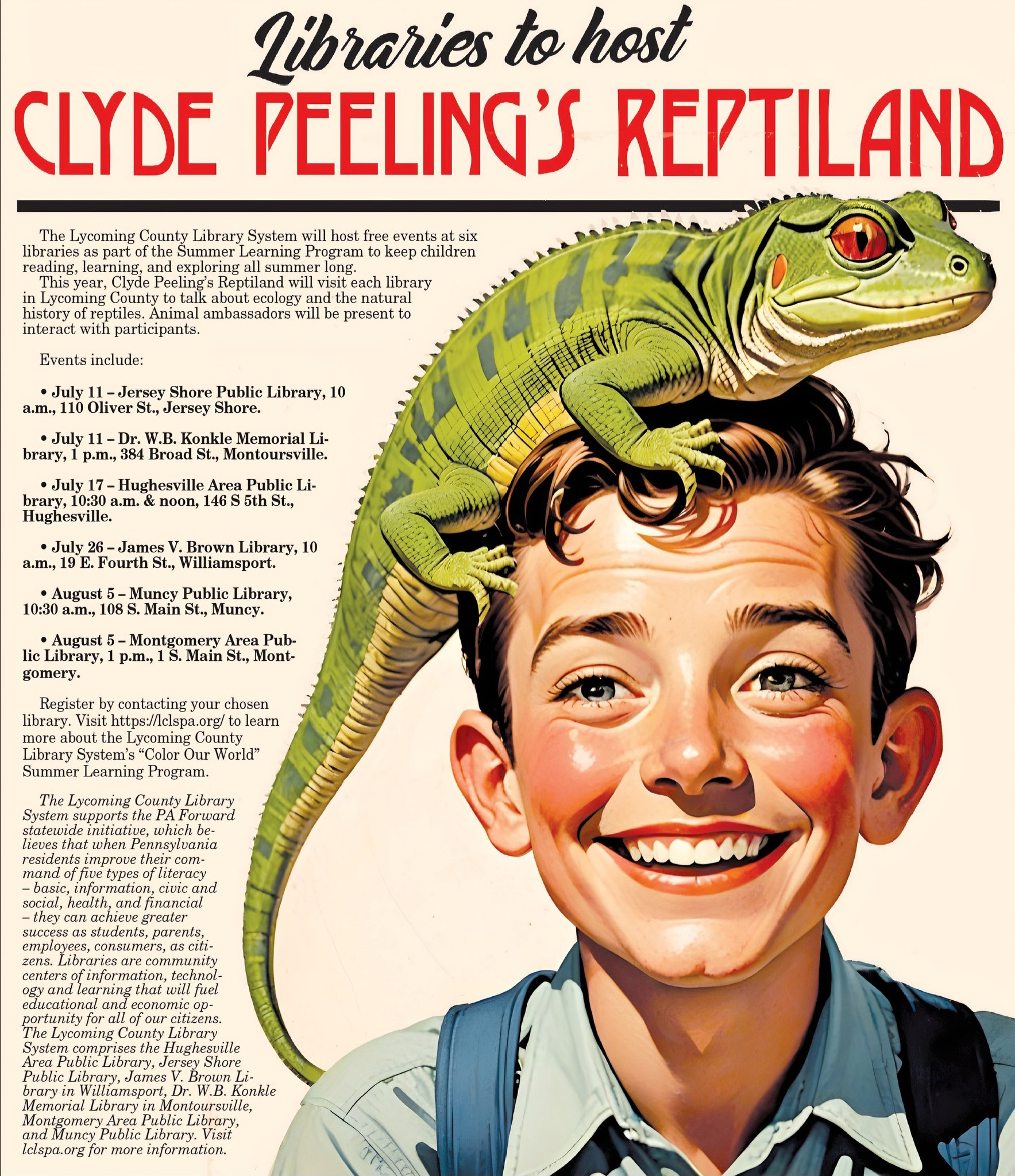
- Reptiland’s innovative outreach programs
- Educational benefits of library programs
- The importance of wildlife education and conservation
- Engaging the community through interactive experiences
- How to register for Reptiland’s programs
Reptiland is pioneering a significant approach to wildlife education by bringing the zoo to libraries. This initiative offers community members free access to educational programs that illuminate the world of reptiles and other fascinating creatures. The hands-on experiences provided by trained educators allow participants to encounter various species safely while learning about their biology, habitats, and conservation statuses.
The Reptiland programs aim to make crucial information accessible to a wider audience. Libraries are community hubs that promote learning, and by collaborating with them, Reptiland reaches families and individuals who may have limited opportunities to visit a zoo. This outreach bridges the gap between wildlife conservation education and the general public. Programs feature engaging presentations, live animal demonstrations, and interactive discussions about the importance of biodiversity.
Educators at Reptiland are skilled in captivating their audiences, utilizing live animals as educational tools. Children and adults alike get to observe species such as snakes, turtles, and reptiles up close. This direct interaction fosters curiosity and respect. Participants learn how these animals adapt to their environments and the roles they play in their ecosystems. This experiential learning is particularly effective, as it allows for a deeper understanding compared to traditional classroom settings.
Wildlife education is imperative in today’s world. Many species face threats from habitat loss, climate change, and illegal wildlife trade. By educating communities about these issues, Reptiland encourages a sense of responsibility and advocacy. When people understand the challenges that reptiles and other animals face, they are more likely to engage in conservation efforts.
The interactive nature of the programs invites the community to participate actively. Such engagements contribute to a shared understanding of wildlife and its importance in maintaining ecological balance. Participants may ask questions and express their thoughts, enriching the conversation and fostering critical thinking. This dialogue encourages further exploration of environmental subjects, promoting lifelong learning.
Reptiland’s programming also aligns with educational standards, making it a valuable resource for teachers and parents. Many libraries have curriculum ties, ensuring that children receive a well-rounded education that includes scientific literacy. Offering these programs in libraries can supplement what is taught in schools, providing additional context and real-world applications.
To attend one of Reptiland’s programs, individuals must register with their chosen library. Libraries may have varying registration processes, so it is beneficial to check in advance. Some may have online sign-ups, while others might require in-person visits or phone calls. Early registration is encouraged, as spots may be limited due to the high demand for such engaging activities.
The importance of wildlife education cannot be overstated. Understanding ecology promotes empathy towards animals and motivates proactive conservation efforts. For instance, children who learn about the specific needs and challenges of species such as the Eastern Box Turtle may develop a passion for protecting their habitats, participating in local conservation initiatives, or even advocating for policy changes to safeguard natural resources.
Engaging programs like those offered by Reptiland demonstrate that education can take many forms, often beyond the classroom or traditional zoo setting. The experience of learning in a library, a familiar and safe environment, helps demystify wildlife and creates lasting impressions. Exposure to wildlife fosters appreciation, understanding, and connection to nature.
Community members benefit from rich discussions surrounding environmental stewardship. Curated resources and literature provided during these programs offer additional information for attendees who wish to learn more. Libraries may also feature relevant books and materials to further the conversation, providing a springboard for deep dives into topics concerning biodiversity and conservation strategies.
Reptiland’s programs embody a collaborative spirit, bringing together educators, families, and library staff. These partnerships cultivate an enriching atmosphere where vital information can circulate freely. Such collaborations showcase how public institutions can work together to elevate awareness and knowledge about wildlife and its preservation.
Through outreach programs, Reptiland fosters a sense of community ownership of wildlife conservation. When individuals begin to feel emotionally connected to the animals they learn about, they are more likely to contribute positively to their surrounding environments. This ongoing influence is essential in creating a culture of conservation.
Notably, studies show that wildlife education can inspire future career paths in environmental science, zoology, and ecological research. Young attendees of Reptiland’s programs may very well be the wildlife advocates and scientists of tomorrow. By focusing on hands-on learning experiences, Reptiland offers a glimpse into the potential these children possess and the impact they can have on the world.
Moreover, as libraries become increasingly involved in community engagement and education, programs such as those from Reptiland highlight an innovative way to approach environmental issues. Encouraging patrons to think critically about their relationship with wildlife helps cultivate informed citizens who can tackle pressing global dilemmas.
Participating in Reptiland’s outreach initiatives provides tangible experiences that reinforce theoretical knowledge. The act of handling or observing a snake, for instance, becomes a memorable moment for participants, one they are likely to share with family and friends. These shared conversations promote dialogue within families and among peers, extending the impact of the program beyond the library walls.
Conservation education also equips individuals with specific skills and knowledge. Participants may learn about local species, their habitats, and the factors affecting their survival. Understanding these elements is foundational in promoting awareness and involvement in local conservation efforts, be it through volunteering or participating in community clean-up events.
As Reptiland continues to bring its programming to libraries, the initiative spreads the message of conservation further and wider, enriching not only individual lives but the entire community. Wildlife education is a crucial step in fostering environmental stewards. The more people learn about the interconnectedness of life and the importance of preserving ecosystems, the stronger the movement for conservation will grow.
Local communities engaging with Reptiland in these settings solidify the bond between humans and nature. Promoting a healthy respect for wildlife and understanding the critical issues facing numerous species leads to a brighter future for our planet. By incorporating educational outreach into libraries, Reptiland actively transforms how communities perceive and interact with wildlife conservation.
For those looking to participate in this enriching experience, it is essential to stay updated on the specific schedules and signing processes of various libraries. The seamless integration of education and community engagement through Reptiland’s programs exemplifies how proactive measures can lead to long-lasting impacts. Engaging with wildlife fosters connections, cultivates knowledge, and encourages responsible stewardship of the environment.
Wildlife education programs present unprecedented opportunities for building eco-conscious communities. Every participant leaves with knowledge that has the potential to inspire action and advocacy. Reptiland is bringing the zoo to a library near you, ensuring that the lessons learned ripple throughout the community, nurturing appreciation for the animal kingdom and the delicate balance that sustains it.
*****
Source Description
Reptiland is bringing the zoo to a library near you! These programs are free to attend, just be sure to register with your chosen library!
Photo credit: Williamsport Sun Gazette
