
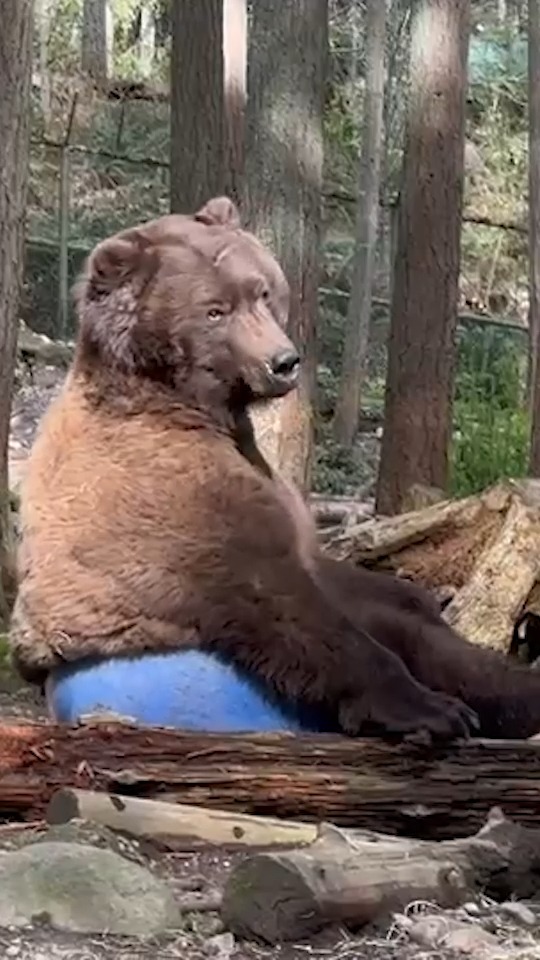
- The significance of the “If I fits, I sits!” behavior in animals, particularly in bears
- The rescue and rehabilitation of Hawthorne and Huckleberry
- Insights into bear behavior and their communication styles
- The role of zoos in wildlife conservation and education
- The significance of play in animal welfare and development
The phrase “If I fits, I sits!” is more than just a whimsical saying; it encapsulates a fascinating behavior observed in various animal species, particularly in bears. This mantra highlights how animals, including Hawthorne and Huckleberry, two rescued bear cubs that have captured the hearts of many, interact with their surroundings. The playful antics of these bears demonstrate their innate curiosity and adaptability, showcasing the importance of habitat enrichment.
Hawthorne and Huckleberry began their journey in a wildlife rehabilitation center after being orphaned. They were raised in a controlled environment but were given ample opportunities to express their natural behaviors through play. These cubs are known for their quirky love of “weeble” toys—a type of round-bottomed toy that wobbles but doesn’t fall over. This affinity showcases their capacity for play and exploration, an essential aspect of animal behavior that contributes to their mental and physical well-being.
In bear species, the behavior of fitting into spaces can be traced back to their natural instincts. In the wild, bears often seek out snug spots to rest or hide. This behavior serves multiple purposes, including personal safety and thermoregulation. Understanding this instinct provides valuable insights into how we can cater to the needs of wildlife in captivity.
Behavioral science reveals that animals communicate their emotions and intentions through various body signals. For example, bears express their mood through body posture, vocalizations, and even how they interact with objects in their habitat. Hawthorne and Huckleberry often demonstrate their happiness and curiosity through playful wrestling and exploration of toys. Such play is crucial, aiding in their development and offering them the opportunity to practice social skills.
Zoos often play a significant role in wildlife conservation and education. They not only serve as home to various species but also engage in rehabilitation efforts. Zoos provide an environment where animals can thrive while also allowing visitors to learn about species conservation. Education initiatives aim to inform the public about threats facing wildlife, like habitat loss and climate change.
The case of Hawthorne and Huckleberry serves as a prime example of how zoos can positively impact both individual animals and broader conservation efforts. By showcasing their playful behavior through social media, zoos create an emotional connection with audiences, fostering empathy for wildlife and encouraging stewardship. This emotional engagement is crucial; it reminds us of the shared responsibility to protect our planet’s diverse species.
Additionally, the significance of play in animal welfare cannot be overstated. Research indicates that play contributes to a variety of positive outcomes. Socialization, cognitive development, and even physical health are benefitted when animals engage in playful activities. For bears like Hawthorne and Huckleberry, interacting with toys helps reduce stress and boredom, essential factors in promoting their overall well-being.
Beyond the individual animals, there is a profound educational component. Observing bears playing with toys like those named “weeble” can spark curiosity about their behavior, habitats, and conservation status. When audiences engage with animals through visual media, curiosity often translates into a desire to learn more. This can result in positive action, fueling conservation programs and advocacy efforts to protect bear habitats and other wildlife.
Furthermore, the expression of animal behaviors offers insights into conservation strategies. When rehabilitation programs understand that playful interaction is fundamental to a bear’s development, they can create environments that encourage such behaviors. Enclosures equipped with various enrichments—like toys, climbing structures, and hiding spots—allow bears to engage in natural behaviors while in captivity. Such practices echo the need for increased focus on animal welfare in conservation discussions.
Through the lens of education and engagement, zoos can play a transformative role in society. Institutions housing Hawthorne and Huckleberry also serve as living laboratories for research and education. The data obtained from observing their interactions enrich our understanding of bear behavior and contribute to the science of zoology.
The major threats facing bears today include habitat destruction, climate change, and human-wildlife conflict. Each factor influences bear populations globally. By raising awareness through the playful representation of bears, zoos can help counter these threats. Engaged audiences are more likely to support conservation efforts, making emotional connections key to driving meaningful change.
Additionally, the role of social media in promoting wildlife conservation should not be overlooked. Platforms like Instagram allow zoos to showcase animal behaviors, attracting attention and raising awareness efficiently and creatively. The playful actions of bears like Hawthorne and Huckleberry appeal to a broad audience, creating an understanding of the issues that wildlife face.
Hawthorne and Huckleberry, through their antics, serve as ambassadors for their species. Their stories can lead to discussions on the importance of conserving natural habitats and protecting their peers in the wild. By providing an engaging image of bears in our lives, interest in their plight grows.
Understanding emotional intelligence in animals also contributes to welfare standards. Recognizing that all creatures experience emotions fosters humane approaches to their care. More zoos are enhancing their environments to cater to the emotional and physical needs of their residents, ensuring that animals are not merely surviving but thriving.
In essence, playfulness in animals like Hawthorne and Huckleberry highlights a critical area of study in animal behavior. Play serves as an expression of their psychological state, often representing social status, health, and overall happiness. Bears benefit from these interactions, as do their human caretakers who witness the joy and vitality that play brings.
In terms of conservation, advocating for animals through quality education and engaging experiences can lead communities to take action. Understanding their behaviors enables more effective protection strategies, essential for sustaining their populations. Ultimately, every creature, big or small, plays a part in the ecosystem, emphasizing the interconnectedness of life.
The future of wildlife conservation depends on education and emotional engagement. Initiatives that highlight the quirks of animals like Hawthorne and Huckleberry provide a unique opportunity to inspire compassion in the public sphere. In a world keen on connecting with nature and preserving it, stories about playful bears offer a compelling hook to foster deeper commitments to conservation efforts.
The journey of these bears reflects broader issues in wildlife conservation. As institutions continue to prioritize education, the playful antics and relatable behaviors of animals will serve as vital tools for inspiring advocacy. The dual benefits of serving both animal welfare and future generations are paramount.
Hawthorne and Huckleberry remind us that animals, much like humans, thrive in environments that allow for play, exploration, and emotional connections. Understanding their behaviors can yield rich insights into their care and conservation. The legacy of these two bears will inspire efforts in wildlife rehabilitation and education, driving a deeper connection between humans and the natural world.
As we observe the engaging antics of these adorable bears, it is essential to recognize their role as ambassadors of their species. The charisma and enthusiasm they evoke can lead to positive contributions toward wildlife conservation and foster a culture of empathy for all living beings. By valuing the importance of play and understanding animal behaviors, we can work collectively to secure a brighter future for wildlife everywhere.
*****
Source Description
If I fits, I sits! 🐻 From rescued cubs to giant grizzlies, Hawthorne and Huckleberry still love their favorite weeble toys.
📹: Keeper Haley
