
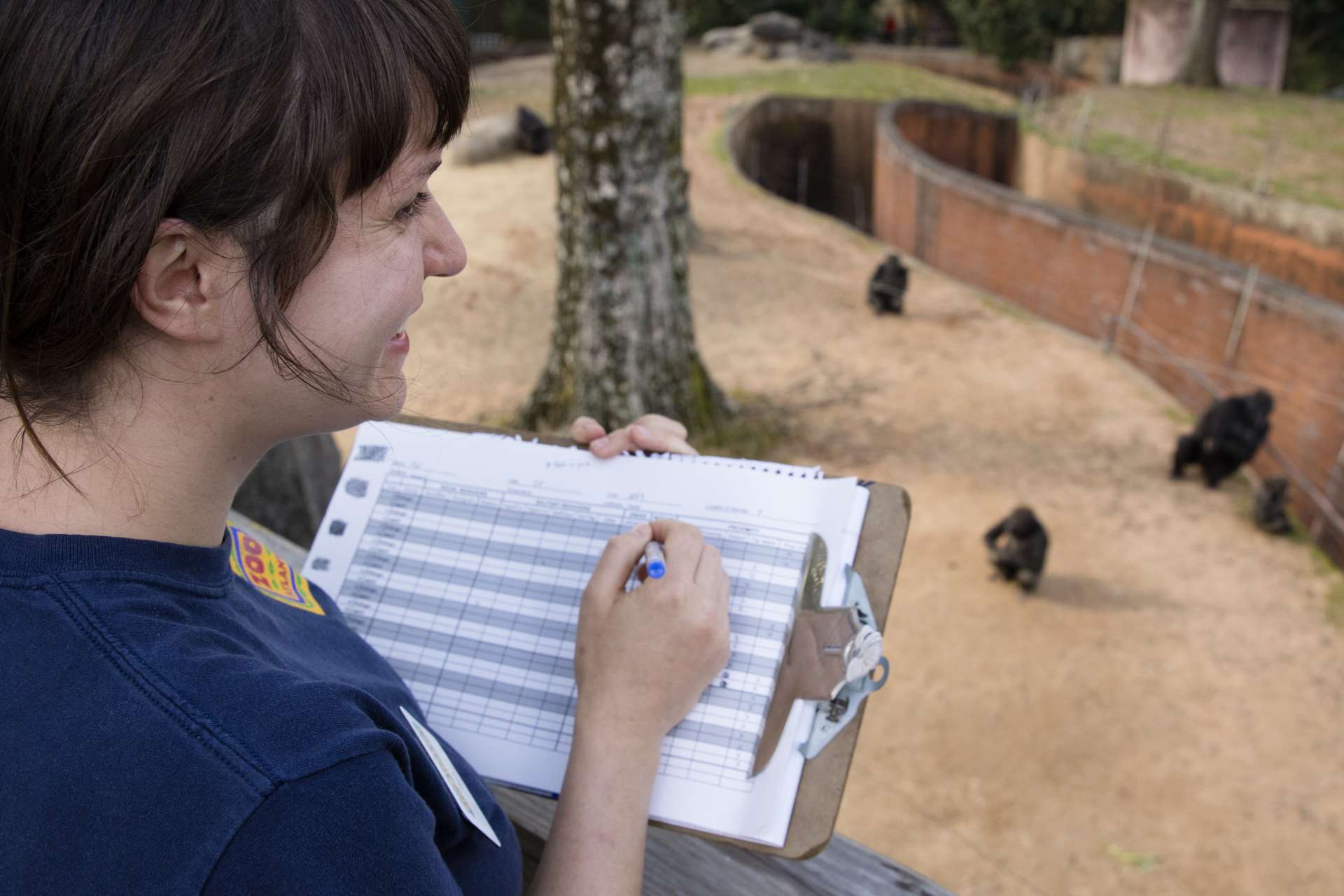
Summary of Research data collection: the tools of the trade:
The article discusses the evolution of behavioral data collection in animal welfare at Zoo Atlanta, highlighting the transition from traditional methods like paper and hand-written notes to modern technology, such as the ZooMonitor app. This app enables real-time data logging, digital ethograms, and efficient data management, making analysis quicker and more organized. While zoo researchers benefit from advanced tools, field researchers still rely on manual methods due to challenging conditions. The article also mentions the potential of AI in behavioral tracking, though human observation remains vital. Ultimately, the focus on understanding animal behavior and welfare remains unchanged, emphasizing the importance of observation and learning.
- The evolution of research data collection methods in animal welfare science
- Current tools and technologies used for behavioral data collection in zoos
- The contrast between zoo-based data collection and field research methodologies
- Emerging trends, including AI technology in animal behavior monitoring
- Core objectives and questions guiding animal behavioral research
The evolution of research data collection methods in animal welfare science has transformed significantly over the years. Initially, methods were rudimentary, involving cumbersome physical tools like clipboards and stopwatches. Behavioral data collection required balancing several instruments, including pencils and manuals, while trying to keep track of animal behavior. This was not only inefficient but also prone to errors, particularly in environments where weather could jeopardize data integrity, such as rain-soaked papers or blurred ink.
With advancements in technology, new systems have emerged that streamline the data collection process. For instance, Zoo Atlanta uses ZooMonitor, a tablet-based application developed by Lincoln Park Zoo. This tool offers real-time logging of animal behaviors and tracks their locations in different habitats. By utilizing digital ethograms, researchers can efficiently manage and monitor multiple studies on a single device. These modern applications make it easier to quantify activity patterns, generate detailed reports, and even create visual representations like heatmaps. Consequently, researchers can exclude the hassle of digitalizing handwritten notes, allowing data to be immediately organized for analysis.
Currently, tools such as ZooMonitor are revolutionizing how zoos document animal behavior. Similar applications have been developed for various facilities, each enhancing the quality and accuracy of data collection. The importance of these tools cannot be overstated, as they allow researchers to focus more on observing and assessing animal welfare without being bogged down by manual tasks. Such efficiency is critical when assessing the health and social dynamics of zoo animals.
Contrasting with zoo-based research, field researchers often face more challenging conditions. Working in wildlife settings poses significant logistical hurdles. Long hikes through natural habitats and unpredictable weather are common obstacles. In these situations, researchers tend to rely on traditional methods of data collection. Handwritten notes remain the primary means of recording observations, complemented by GPS units for spatial data. Limitations in technology in remote locations can hinder the efficiency of data collection, forcing researchers to adapt their methodologies to suit the environment.
Emerging trends are paving the way for a new era in behavioral data collection. The integration of artificial intelligence is beginning to change how researchers access and interpret animal behaviors. AI-driven tools can help identify subtleties in animal posture or social interactions that may go unnoticed by the human eye. This technology allows for the early detection of behavioral changes, which can be essential for timely interventions regarding animal welfare. Although AI is not yet fully replacing traditional data collection methods, it holds promise for improving monitoring techniques and potentially enhancing animal care routines.
Nevertheless, despite these advancements, some researchers still value traditional methods. Binoculars remain essential for distant observations, particularly during specific behavioral contexts like rest periods. Additionally, carrying notebooks to document identifiable traits of focal animals remains a common practice among some zoologists. This blend of traditional and modern techniques illustrates the diversity of approaches in the field.
While the tools of data collection may be advancing, the fundamental goals of animal behavioral research remain reliably consistent. Key questions guide this research: What behaviors are animals exhibiting? What emotional states are they demonstrating? How do various environmental factors influence these behaviors? And ultimately, what insights can be gathered to enhance the welfare of the animals in our care? Regardless of whether researchers are tapping on tablets or jotting down notes, every observation serves a critical purpose—providing valuable insights into animal behavior one data point at a time.
Effective data collection in animal welfare requires understanding the science behind behavioral studies. Researchers must be well-versed in ethology, which is the study of animal behavior in natural settings. Ethograms, detailed catalogs of behaviors often observed in specific species, form the foundation for data collection protocols. The digital tools mentioned earlier facilitate the creation and management of these ethograms, making it easier for researchers to track behavioral patterns over time.
Another critical aspect is developing a solid methodology for data collection. Sample sizes, observational timeframes, and specific behaviors of interest must all be defined in advance. This attention to detail helps ensure that the data collected are valid and reliable, laying the groundwork for robust analyses and conclusions.
The ethical implications of behavioral data collection cannot be overlooked. Animal welfare scientists are responsible for ensuring that their research methodologies prioritize the well-being of the animals being studied. This commitment to ethics is particularly crucial when animals are kept in captivity. Researchers must navigate the fine line between necessary observations and invasive procedures, aiming to minimize stress and discomfort.
Another layer of complexity is the role of environmental factors in influencing animal behavior. Variables such as habitat design, social dynamics, and zoo management practices can all affect the behaviors exhibited by animals in captivity. Therefore, contextual data become critical to understanding the results of a study. For instance, behavioral observations may differ significantly between a naturally enriched habitat and a more barren environment.
ZooMonitor and similar tools can help researchers visualize these relationships through data analysis and graphical representations. The ability to create heatmaps or activity dispersals provides insights into how animals utilize their habitat, revealing areas of enrichment that may need improvement.
As researchers continue to refine their data collection techniques, understanding the implications of their findings is equally important. Behavioral studies yield insights into not only individual animals but also larger trends within captive populations. These trends can inform zoo management practices, educational programs, and conservation initiatives aimed at protecting species in the wild.
Educational outreach is an integral part of the research data lifecycle. Sharing findings with the public enhances awareness and encourages support for conservation efforts. Zoo staff can use data insights to engage visitors with compelling narratives about animal behavior and welfare, helping to educate audiences about the challenges facing various species both in captivity and their natural habitats.
The convergence of technology and animal research is set to redefine how we approach data collection in the future. Leveraging machine learning and other advanced analytical methods can further deepen our understanding of animal behavior. Consistent improvements in technology may lead to breakthroughs that enhance both welfare standards and research efficacy.
As we reflect on the evolution of research data collection processes in zoology, it is essential to recognize the balance between adopting advanced tools and maintaining ethical standards. The combination of traditional and contemporary methods enriches the field, enhancing research outcomes and bolstering animal welfare. Each method has its unique strengths, and when applied correctly, they augment our understanding of the complexities of animal behavior and welfare.
Research data collection in animal welfare continues to evolve. The integration of technology into behavioral observation marks a significant shift in methodologies. More efficient and accurate data collection tools enhance research capacity in zoology and wildlife conservation. Although traditional techniques still play a role, the future of animal welfare science will undoubtedly rely on innovative and adaptable strategies. Researchers must remain committed to their core objectives: enhancing animal welfare, understanding species behavior, and paving the way for a more informed conservation ethos.
