
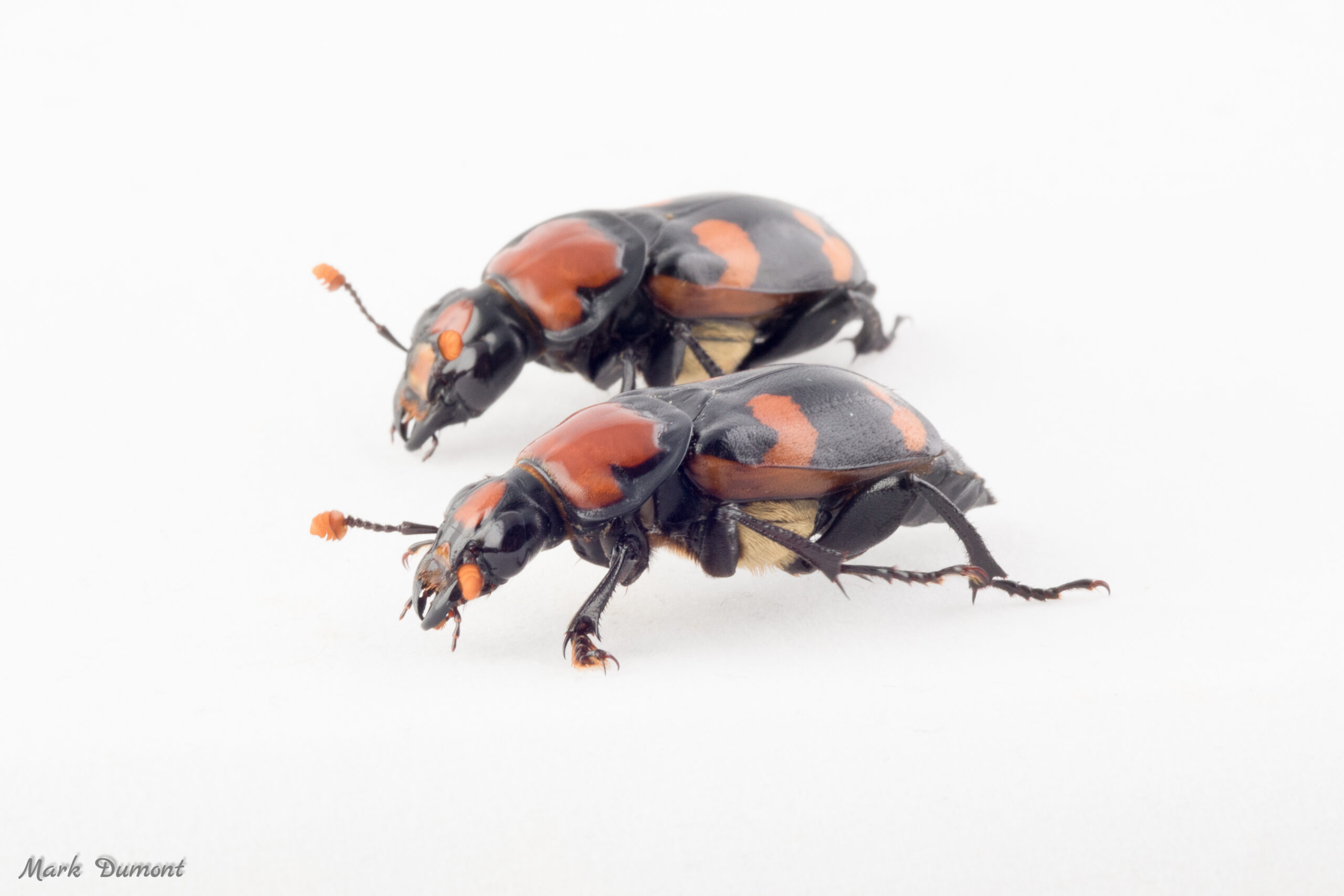
Summary of Mud, Rain, Rats and Resilience – A record breaking ABB release at The Wilds:
Despite heavy rain and mud, our team quickly prepared 203 release sites for burying beetles, each receiving a thawed rat carcass and a paired male and female beetle. Though the conditions were challenging, everyone embraced the experience enthusiastically.
- The significance of the Adorned Bullfrog (ABB) in conservation efforts.
- The role of burying beetles in the ecosystem and their relationship with the ABB.
- The challenges faced during the release event, including weather conditions and teamwork.
- The importance of hands-on field work in wildlife conservation.
- Insights into the future of ABB and prospects for its habitat recovery.
The Adorned Bullfrog (ABB), scientifically known as Lithobates adorned, is a species that plays a key role in its ecosystem. Conservationists and researchers recognize its importance not just as a biological entity, but also as an indicator of environmental health. The ongoing efforts to restore its population reflect broader initiatives aimed at preserving amphibians globally. This species is particularly vulnerable to habitat loss, climate change, and disease. The recent ABB release event at The Wilds exemplified our collective commitment to rejuvenating this population and sustaining its habitat for future generations.
Notably, a crucial component of the ABB’s reproductive strategy involves burying beetles, which serve as an essential part of the ecosystem. When a pair of burying beetles discovers a carcass, they prepare it meticulously to provide a nutrient-rich environment for their offspring. The ABB relies on this food source to support its own reproductive success. By understanding these interactions, wildlife conservation programs can promote an ecosystem that supports both species and ensures mutual survival.
The recent release event illuminated the core challenges faced by field teams. On the day of the release, rain fell in persistent sheets. Participants found themselves navigating muddy terrain, quickly turning the landscape into a challenging quagmire. Yet, this did not deter the dedicated team members. Armed with shovels, they dug out 203 release sites in record time, showcasing resilience and teamwork in the face of adversity. The steady downpour created a messy atmosphere, but it also embodied the spirit of determination required in conservation work.
Each release site was carefully prepared for the ABB. A thawed rat carcass, which serves as nourishment for burying beetles, was strategically placed in each hole. Following this, pairs of ABB were introduced—one male and one female. The collaboration between species was not just a technical process but a vital step toward re-establishing a healthy population. The enthusiastic reception of the newly released frogs attested to the diligent efforts of the team. It was rewarding to witness their new environment, even under such tumultuous conditions.
This hands-on approach is vital in the field of wildlife conservation. Engaging directly with the natural habitat helps conservationists understand the intricate dynamics that influence species survival. Practical fieldwork provides invaluable data, allowing for informed decision-making and adaptive management of conservation strategies. Issues, challenges, and victories encountered in such settings contribute significantly to our overarching knowledge of species and their habitats.
The future for the ABB and its ecosystem hinges on understanding the delicate interactions that define it. As conservationists, it is essential to prioritize habitat protection and restoration. The ongoing project not only seeks to strengthen the ABB population but also aims to enhance the ecological balance within its environment. Burying beetles, as scavengers, play a fundamental role in nutrient cycling and soil formation, which are crucial for sustaining healthy ecosystems.
Moreover, the success of the ABB release event signals promising prospects for habitat recovery. Detailed population monitoring and research can guide conservation efforts, helping to track the health and numbers of both ABB and burying beetles over time. Such initiatives lay the foundation for future releases and broader conservation projects, adapting strategies based on observed outcomes.
Each attempt to rehabilitate a species, especially one as vital as the ABB, requires unwavering dedication and a collaborative approach. The efforts during the release event showcased how community engagement and teamwork can lead to remarkable outcomes even under challenging conditions. The muddy landscapes transformed from mere obstacles to symbols of resilience.
Field experiences like this cultivate a deeper appreciation for the complexities of wildlife management and conservation. They highlight the fundamental relationship between species and their ecosystems, reminding us of our role as stewards of the environment. Engaging in such efforts fosters a connection to nature, encourages awareness, and cultivates a culture of conservation.
The Adorned Bullfrog is more than just another amphibian; it represents the ecosystems it inhabits and the intricate relationships that sustain life. When species like the ABB struggle, it signals concerns about the health of their entire environment. Ongoing conservation efforts thus not only focus on specific species but also emphasize the interconnectedness of all life forms.
Over time, as the ABB thrives, it will hopefully recover the ecosystems that support it. Achieving these goals requires us to confront challenges and maintain our resolve. The laborious release efforts represent a commitment to protecting biodiversity and nurturing the environments that sustain life. A collective spirit fuels each action, from shoveling mud to monitoring frog populations, aiming for a more sustainable future.
In terms of educational outreach, sharing the experiences gained from this release event is paramount. The knowledge and insights gathered should not remain confined to conservationists; they must reach a broader audience. By disseminating information about the ABB and its ecological role, we can inspire and educate the next generations.
Promoting wildlife conservation, particularly for vulnerable species like the ABB, requires a multifaceted approach. Involving communities in conservation initiatives fosters local investments in ecological health. Educational programs can raise awareness of amphibian declines, the importance of biodiversity, and individual roles in protecting these habitats.
Innovative approaches, such as employing citizen science programs, can engage non-experts in data collection and monitoring efforts. This method not only expands the outreach of conservation efforts but also deepens community connections to local ecosystems. The community can feel more invested when they actively participate in observing and protecting the natural world around them.
The challenges facing the ABB are not to be underestimated, yet the resilience shown at the release event highlights the dedication required to effect real change. Weathering the storms—both literal and metaphorical—is part of this journey. Each shovel of mud dug and each frog released contributes to a broader narrative of hope and restoration.
The relationship between the ABB and burying beetles illustrates a symbiotic dynamic that plays a critical part in maintaining ecosystem health. As conservationists work to restore populations, attention must also be directed at those interconnected species that help shape the environment.
Through ongoing research and community involvement, we can create pathways for species recovery and ecosystem revitalization. The journey is long, but each step taken builds a foundation for a healthier future. This comprehensive approach to conservation will ultimately benefit not just the ABB but a multitude of species sharing its habitat.
Balancing ecological needs with human interests remains one of the greatest challenges in conservation. Incorporating sustainable practices into daily life can mitigate negative impacts on threatened species. By prioritizing eco-friendly practices, individuals can play a vital role in the broader conservation narrative.
As conservation efforts evolve, so must our understanding of the systems at play. The introduction of new technologies and methodologies can enhance monitoring and research capabilities. However, no method replaces the value of hands-on experience gained in the field. Each outing connects us to the environment we strive to protect, fostering a deeper bond that motivates us to push forward despite challenges.
The ABB’s journey from mud-laden release sites to thriving populations reflects a larger story of resilience in conservation. Each instance of human effort contributes to the hope for sustained future success. Together with our partners in the field, we can cultivate a future where the ABB and its ecosystems flourish.
Harnessing the momentum generated by events like the recent release, conservationists can continue to advocate for vital amphibian species. Comprehensive strategies will be essential as we navigate the path toward ecological restoration. The future holds promise; with unfaltering commitment and collaboration, we can ensure that the story of the Adorned Bullfrog continues, providing a vibrant testament to the power of resilience in nature.
