
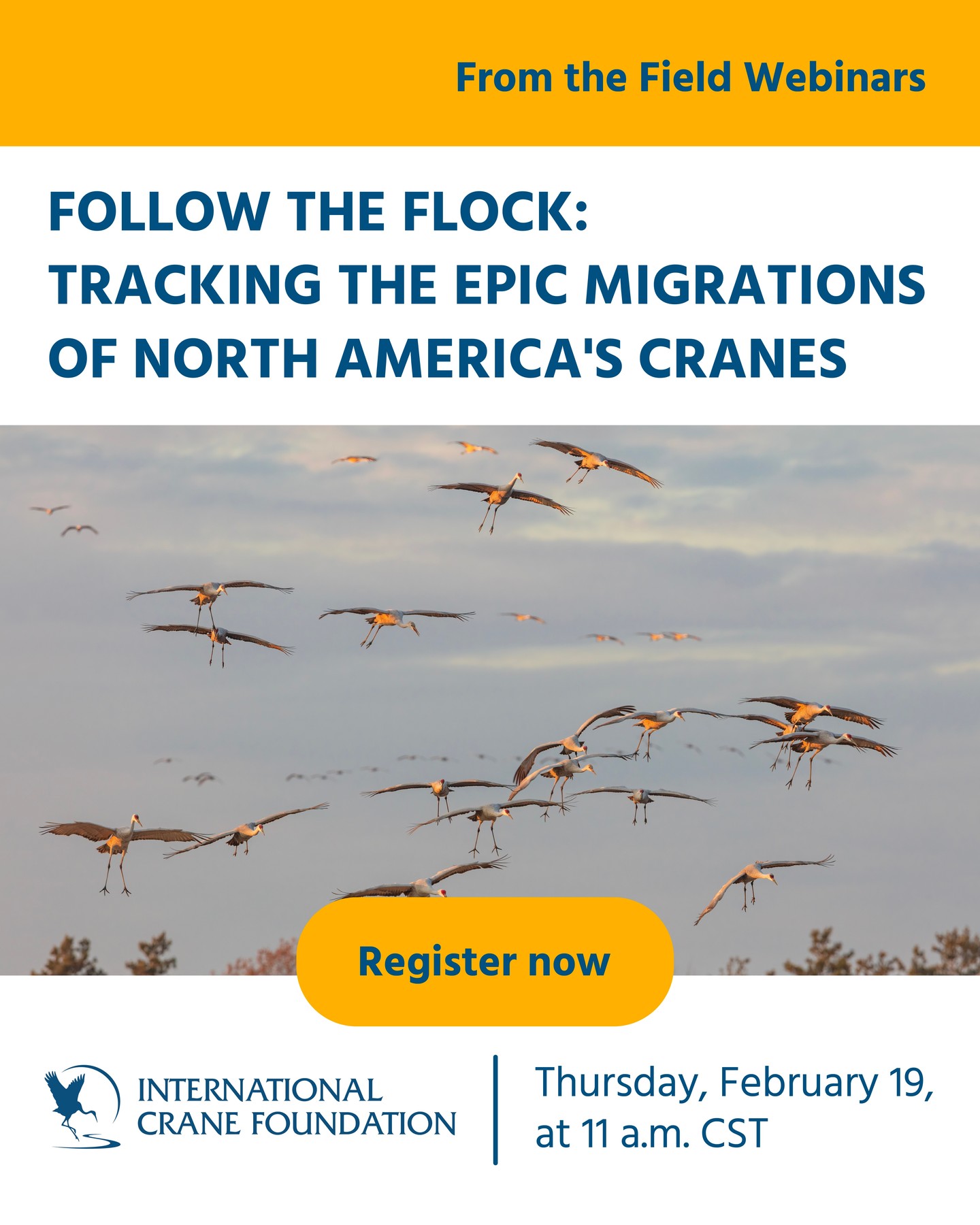
- The remarkable migrations of Sandhill and Whooping Cranes across North America.
- The significance of habitats on the migration routes of cranes.
- Key migration facts and the driving forces behind these seasonal movements.
- Introduction of the Sandhill Crane Finder tool, combining science and community.
- Recognition of volunteer contributions to crane conservation efforts.
Each year, Sandhill Cranes and endangered Whooping Cranes embark on extraordinary migrations across North America. These majestic birds traverse thousands of miles between their breeding and wintering grounds, showcasing their resilience and adaptability. Understanding this journey is essential for conservation efforts and enriching our appreciation for these species.
Cranes are among the oldest living bird species, and their annual migrations highlight their instinctual behaviors developed over millions of years. During the spring, these birds move northward to breeding grounds in locations like Canada and the northern United States. In the fall, they return to more temperate regions for overwintering. Along these migrations, cranes rely on specific habitats, including wetlands and grasslands, which provide crucial resources for feeding and resting.
The Sandhill Crane Finder tool is a pivotal innovation that integrates scientific research with community-based observations. This tool allows enthusiasts and researchers to track cranes in real time, providing valuable data on their locations and behaviors. Seasonal migrations involve complex interactions between environmental factors and crane physiology. Cranes are influenced by changes in daylight, temperature, and food availability. These factors drive the birds’ decisions to migrate and determine their routes.
Key migration facts reveal just how remarkable these journeys are. For instance, some Sandhill Cranes can travel over 2,500 miles from their breeding grounds in Canada to their wintering sites in New Mexico and Texas. Whooping Cranes, now endangered, primarily migrate between Wood Buffalo National Park in Canada and Aransas National Wildlife Refuge in Texas. The dramatic drop in their populations makes understanding these migration patterns even more critical.
Cranes depend on specific habitats along their routes, such as shallow marshes, agricultural fields, and pastures. These areas not only provide food but also safe places for resting and breeding. Conservation initiatives focused on protecting these vital habitats have become paramount. Effective management involves collaborating with landowners and local communities to ensure that these ecosystems remain intact.
Engaging the community in conservation efforts is essential for the protection of cranes. Volunteers like Doug Pellerin play a significant role in sustaining the movement for crane conservation. Their dedication brings communities together, encourages citizen science, and raises awareness about these magnificent birds. Participating in initiatives that support crane conservation benefits not only the birds but also the ecosystems they inhabit.
The upcoming webinar, led by Anne Lacy—Director of Eastern Flyway Programs at the International Crane Foundation—will provide a closer look at these remarkable migrations. Attendees will gain insights into where North America’s cranes are located, their migratory behavior, and the ecological significance of their habitats. Sharing this knowledge helps foster greater appreciation for crane conservation.
The webinar will feature a detailed examination of migration patterns. Participants can expect to hear about key dates in the migration calendar, and how factors such as weather and environmental changes affect arrival and departure times. This conversation will highlight the importance of scientific research in understanding these patterns and influencing conservation policies.
Moreover, the webinar will illustrate the functionality of the Sandhill Crane Finder tool. By demonstrating how community observations are integrated with scientific data, participants can appreciate the importance of citizen scientists in tracking crane populations. This tool occupies a crucial space in conservation efforts, utilizing modern technology to bridge gaps between researchers and the public.
Understanding the critical habitats is essential for effective conservation. Cranes depend on various wetland ecosystems for breeding, feeding, and resting. As urban expansion and agricultural development threaten these habitats, the need for conservation action intensifies. Raising awareness about the significance of these environments can motivate community involvement and support for habitat protection.
During the webinar, experts will also discuss the challenges cranes face along their migratory routes. Issues such as habitat loss, climate change, and human interference can disrupt these journeys. Learning about these obstacles equips attendees with knowledge about how to advocate for solutions that protect cranes and their habitats.
Volunteers have been vital in highlighting the importance of crane conservation. Through public outreach and community education, they raise awareness about the challenges facing these species. Celebrating individuals like Doug Pellerin allows us to recognize the impact of dedicated volunteers and encourage others to join the conservation movement.
The commitment to crane conservation is not just about protecting a species. It’s about ensuring that future generations will inherit a rich ecosystem. By attending webinars and participating in conservation initiatives, individuals can contribute to a collective effort that has a lasting impact.
As the migration season approaches, understanding the intricacies of Sandhill and Whooping Crane movements becomes even more relevant. Individuals interested in these birds will find that the upcoming webinar offers an opportunity to engage with experts and learn valuable information. From the specific migration patterns to the key ecological aspects, this discussion promises to deepen knowledge about cranes and conservation efforts.
The variety of factors influencing crane migration cannot be overstated. Each year, millions of cranes take to the skies, following age-old pathways across North America. Their journeys remind us of the interconnectedness of species and their environments.
The webinar presents a chance to explore this interconnectedness. With discussions centered on data collection and the importance of protecting habitats, participants can appreciate the intricate web of life that supports craning populations. This appreciation is key for fostering stewardship and protecting these iconic birds.
Ultimately, the upcoming webinar will serve as a crucial platform for understanding the migration of Sandhill and Whooping Cranes. Knowledge shared during this event contributes not only to personal enrichment but also to broader conservation efforts. Interested individuals can access the webinar through the link in the bio, ensuring they remain informed about the challenges and triumphs of cranes.
The remarkable migrations conducted by these birds emphasize the importance of ecological balance and habitat conservation. By participating in discussions and dedicating time to learn, individuals become a part of something larger—a movement aimed at protecting these extraordinary species. The actions taken today can have profound implications for future generations of cranes and their habitats.
The role of volunteers and experts cannot be ignored in this conservation journey. Together, they create a powerful coalition working towards sustainability and ecological health. Collaborative efforts like these amplify the impact of conservation initiatives, ensuring a brighter future for cranes.
Make sure to secure your spot for the upcoming webinar. Engage with knowledgeable experts, gain insights into crane behavior, and understand the vital ecosystems they depend on. This event not only focuses on the significance of cranes but also celebrates the relentless efforts of dedicated individuals who work tirelessly for their preservation. Discover how you can contribute to this vital cause and be part of a community passionate about crane conservation.
*****
Source Description
✨ Save your spot for our next webinar at the link in our bio ✨
Each year, Sandhill Cranes and endangered Whooping Cranes undertake remarkable migrations across North America, traveling thousands of miles between breeding and wintering grounds. Join Anne Lacy, the International Crane Foundation’s Director of Eastern Flyway Programs – North America, for an engaging webinar that explores where North America’s cranes are right now, how and why they migrate, and the critical habitats they depend on along the way.
Our experts will share key migration facts, discuss what drives these seasonal movements, and demonstrate our Sandhill Crane Finder tool—showing how science and community observations come together to track cranes in real time. Whether you’re a longtime crane enthusiast or simply curious about these iconic birds, this webinar offers a timely look at one of nature’s most awe-inspiring journeys.
This webinar is presented in gratitude for longtime volunteer Doug Pellerin and his continued dedication to the cranes.
📸 Ted Thousand
