
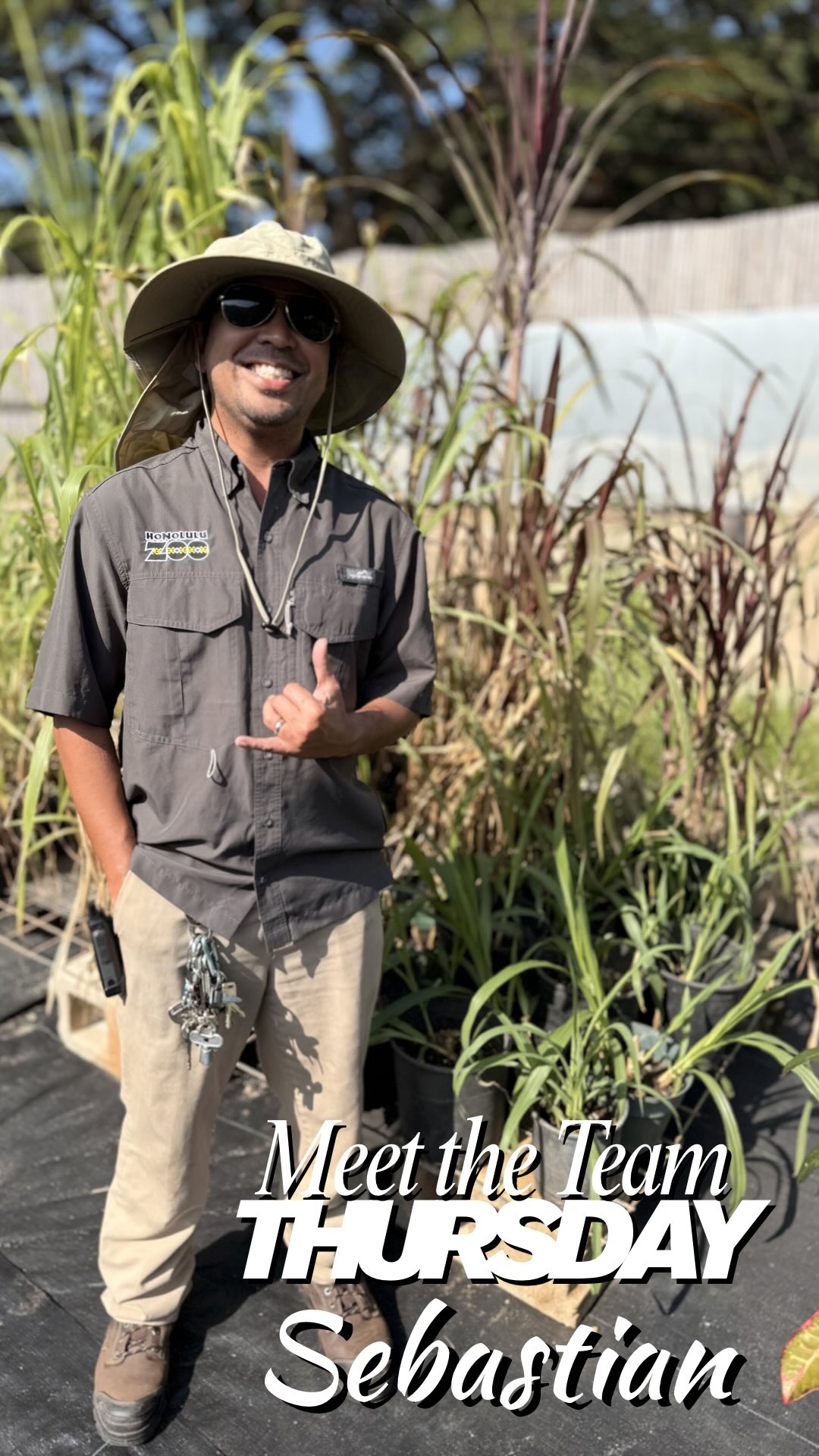
- Introduction to Sebastian’s role at Honolulu Zoo
- Importance of Facility & Maintenance in zoos
- Sustainable practices in zoo management
- Contributions to animal health and habitat quality
- Future initiatives in facility and maintenance
Sebastian, the Facility & Maintenance Superintendent at the Honolulu Zoo, plays a critical role that often goes unnoticed by the public. His tireless work ensures that the zoo not only functions smoothly but also prioritizes the well-being of its inhabitants. From managing life support systems for the exhibits to addressing intricate infrastructure challenges, Sebastian’s contributions are indispensable. He has the challenging task of replicating natural ecosystems within an urban environment, and his efforts are pivotal in creating safe and health-conscious habitats for the animals.
The responsibilities of a Facility & Maintenance Superintendent in a zoo setting are multifaceted. Maintaining critical exhibit life support systems is among the top priorities. These systems are essential for ensuring that animals have the proper water quality, temperature, and overall habitat conditions. For example, the filtration systems for aquatic exhibits require regular monitoring and servicing to maintain optimal living conditions for aquatic animals. The process involves understanding both the biological and mechanical components of these systems. When any disruptions occur, swift troubleshooting and repairs are essential to guard against potential harm to the animals.
A fundamental aspect of Sebastian’s role involves coordinating with various departments, including the veterinary team, animal care staff, and conservation educators. This collaboration is essential for transferring knowledge and addressing any issues that may arise within the facility. One significant challenge is ensuring that the infrastructure supports the well-being of the animals while simultaneously offering an engaging experience for visitors. This delicate balance requires not just problem-solving skills but also an in-depth understanding of animal behavior and habitat needs.
Sustainability is a defining principle of modern zoo management, and Sebastian embodies this ethos through innovative practices. He employs eco-friendly materials and methods in maintenance tasks. Water conservation measures are just one area where his influence is felt. Rainwater harvesting systems have been introduced to minimize water waste, enhancing resource management. Additionally, the implementation of solar panels across the facility has decreased the zoo’s carbon footprint. Each initiative reflects a commitment to not just animal welfare, but also environmental stewardship.
Each animal species within the zoo has specific habitat requirements to thrive. Sebastian assesses these needs meticulously and considers how each exhibit can mimic natural environments. For example, the placement of vegetation, water features, and shelter mimics the native habitats of the animals in the zoo. Species such as the Hawaiian monk seal require particular conditions, and through careful planning, Sebastian helps cultivate environments where they feel most at ease and can exhibit natural behaviors.
One important aspect of zoo management is ensuring the physical safety of animals, staff, and visitors. As the Facility & Maintenance Superintendent, Sebastian evaluates structures and equipment to mitigate hazards. Regular inspections of fences, enclosures, and pathways are conducted to prevent accidents and wildlife escapes. The goal is to establish a safe, hazard-free environment that promotes both human and animal welfare. Attention to detail in these areas cannot be overstated, as ineffective upkeep can have dire consequences.
Sebastian’s work also contributes to public education surrounding wildlife and habitat conservation. By maintaining visually appealing habitats, he facilitates meaningful interactions between the animals and visitors. This interaction is vital for promoting awareness about each species’ unique needs and instincts. For many visitors, seeing animals in well-maintained habitats is likely to foster a sense of responsibility towards wildlife conservation efforts. By engaging the public in this way, the zoo aims to inspire future generations to value and protect biodiversity.
Moving forward, the Honolulu Zoo is excited about several upcoming projects that extend beyond routine maintenance. Plans include expanding existing exhibits to accommodate species that thrive in social groups. Creating larger habitats that reflect natural group dynamics will not only enhance animal welfare but also elevate visitor experience. Further initiatives aim to upgrade existing structures with sustainable materials and innovative technology. These upgrades will help ensure that the zoo remains adaptable to future environmental challenges and scientific advancements.
Education also plays a critical role in Sebastian’s job. He conducts training workshops for staff on best practices in maintenance and safety protocols. These sessions cover a variety of topics, from emergency procedures to energy efficiency strategies. This knowledge transfer is indispensable in promoting a culture of safety and environmental mindfulness at the zoo.
Moreover, partnerships with universities and research institutions are being considered. Collaborations may focus on learning new techniques in habitat management and sustainability practices. Engaging with local experts will not only benefit zoo operations but also contribute to broader conservation efforts.
Continuous investment in Sebastian’s role ultimately enriches the lives of the animals and enhances the educational experience for visitors. The work he does ensures that habitats are not only functional but also align with ethical standards in animal care. His vision integrates aspects of conservation and education into day-to-day operations, making the Honolulu Zoo a leader in sustainable zoo management.
By spotlighting figures like Sebastian, the Honolulu Zoo reinforces the importance of every team member’s role in creating a thriving environment for both animals and humans. Each team’s expertise contributes to the collective mission of wildlife protection and public education about conservation.
Mahalo to Sebastian for his unwavering dedication and expertise that help keep the Honolulu Zoo functioning efficiently and responsibly. This ongoing engagement and improvement are essential as the facility continues to evolve in its mission to educate and inspire conservation. Each participant in the zoo ecosystem plays a vital role in creating a shared space for learning and appreciation of wildlife.
Stay tuned for further insights from Sebastian and the rest of the team in future editions of Meet the Team Thursday.
*****
Source Description
Meet the Team Thursday 🔧🌿
This week, we’re spotlighting Sebastian, our Facility & Maintenance Superintendent here at the Honolulu Zoo!
While you may not always see him on exhibit, Sebastian plays a vital role behind the scenes—helping ensure our zoo runs smoothly every day. From maintaining critical exhibit life support systems to troubleshooting complex infrastructure, his work helps create safe, healthy environments for the animals in our care.
Sebastian looks at the big picture: How do we replicate natural ecosystems within a city park setting? Through careful planning, maintenance, and innovation, he helps support the habitats that allow our zoo residents to thrive.
Mahalo to Sebastian for the expertise and dedication that keeps everything flowing—literally and figuratively! Stay tuned for more from Sebastian in upcoming Meet the Team episodes.
