
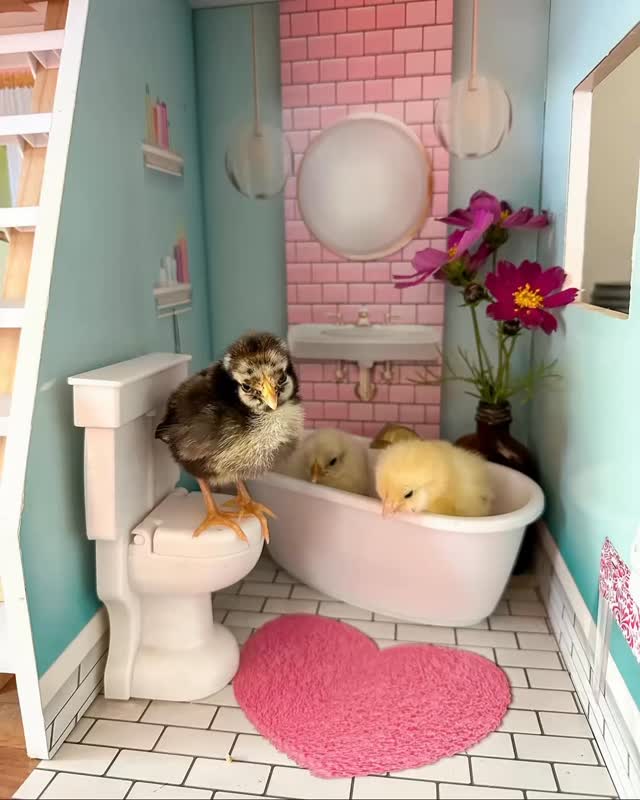
- Chickens have complex social structures that require understanding for proper care.
- The importance of flock dynamics in maintaining a healthy and stress-free environment.
- Strategies for promoting socialization among backyard chickens.
- The role of environmental enrichment in enhancing chicken well-being.
- Best practices for integrating new chickens into an existing flock.
Chickens are not just farm animals; they exhibit rich social behaviors that are essential for their overall well-being. Understanding these dynamics is vital for anyone looking to raise happy, healthy chickens. Chickens display a variety of social interactions, forming bonds and hierarchies, much like social mammals. This article explores how to ensure your backyard flock thrives socially and enjoys a stress-free life.
Chickens are inherently social creatures that demonstrate a strong preference for living in groups. In the wild, they develop flocks where social hierarchies emerge. These dynamics influence everything from feeding behaviors to mating rituals. Studies indicate that the presence of a strong social structure can lead to higher productivity in terms of egg-laying and overall health. Therefore, fostering a harmonious environment in your backyard coop is not just benevolent; it can also be highly beneficial for your chickens.
Fluctuations in social hierarchies occur within chicken flocks, often referred to as “pecking orders.” Each hen and rooster has a specific rank, which influences their access to resources such as food and nesting sites. Observing these interactions can provide insights into the well-being of your flock. Stressful environments can disrupt these dynamics, leading to bullying or other detrimental behaviors. A well-integrated flock thrives on positive interactions, making it essential to monitor the social behavior of your chickens closely.
Promoting socialization among backyard chickens is one of the primary duties of a responsible poultry keeper. Chickens exhibit a range of vocalizations and body language that convey messages to one another. Encouraging natural behaviors—such as foraging, dust-bathing, and exploring—can improve social cohesion. Free-ranging chickens demonstrate a greater variety of social interactions compared to those confined to smaller spaces. Providing a larger area for your flock to roam will allow them to establish more nuanced social relationships, while also reducing stress.
An additional crucial factor in chicken welfare is environmental enrichment. This concept encompasses anything that provides mental and physical stimulation for the birds. For instance, offering varied perches, hiding treats in their living spaces, and creating obstacles can significantly enhance their quality of life. Not only does enrichment combat boredom, but it also allows chickens to engage more freely in social activities.
Chickens that lack stimulation may exhibit behavioral issues, like feather pecking and aggression. These problems stem from frustration and boredom, which can easily be mitigated through thoughtful environmental design. Regularly rotating toys or introducing new elements to their environment can keep your flock engaged.
Integrating new chickens into an existing flock can be challenging, but it is a vital part of flock management. Whenever new birds are added, a transition period is typically necessary to prevent conflicts. The introduction process often involves a quarantine period, ensuring that the new chickens are free from diseases. Gradually integrating them into the flock can minimize stress. Confined spaces allow for safe interactions where existing members can establish boundaries without escalating conflicts.
Establishing pecking order may involve some level of aggression initially, but managing this process correctly can lead to thriving relationships over time. Observing interactions during this transition will guide you in determining how best to facilitate their integration. Providing ample space and resources during this process will alleviate competition, thus enhancing social acceptance among the flock members.
Monitoring the social interactions in your flock can offer critical insights into their health and happiness. Chickens that are laid out in a visible pecking order will often display relaxed body language, while those under stress can show signs of aggression or withdrawal. Recognizing these behaviors early on will help you take steps to adjust their environment or introduce new social opportunities.
Maintaining your chickens’ social health will involve ongoing attention. Ensure that your flock has sufficient space and resources, such as feeders and waterers, to lower competition and encourage positive interactions. Keeping a clean and safe environment free from parasites and diseases is also pivotal for overall flock health.
The social structure of chickens is fascinating and complex. Their innate behaviors provide crucial insights into their needs. With the right practices in place, you can cultivate a harmonious environment that fosters both social engagement and well-being. This understanding allows for a more informed approach to chicken care, ensuring that your backyard flock remains not only productive but thriving in a lively community.
In summary, the social dynamics of chickens are integral to creating a happy, healthy flock. Understanding their social structures, facilitating natural behaviors, and providing proper enrichment can transform your backyard coop into a vibrant community. By incorporating these practices, you set the stage for a flourishing environment that benefits both your chickens and your own experience as a poultry keeper.
*****
Source Description
Ever wondered what makes chickens tick socially? 🐥
We chatted with @deannacat3 about how to keep your backyard flock happy, social, and stress-free.
Head to our latest article to learn how to turn your coop into a thriving little community, link in bio!
