
- The importance of safety measures at the Saint Louis Zoo during severe weather events
- The impact of weather-related closures on zoo operations and management
- Ensuring animal welfare and wellbeing during adverse weather conditions
- Communication strategies for public awareness and visitor safety
- The role of zoos in conservation and education during unpredictable conditions
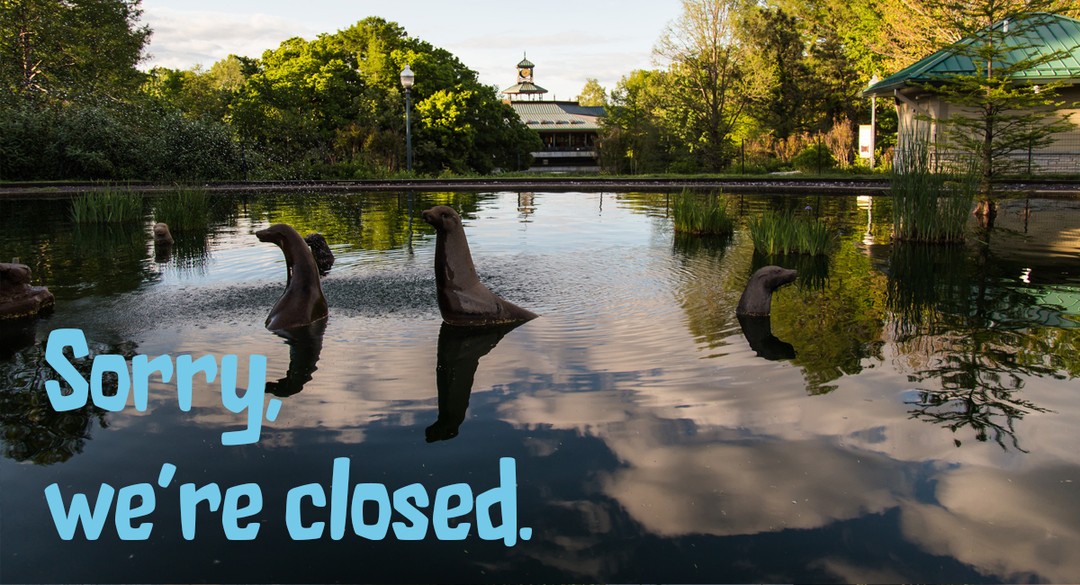
The Saint Louis Zoo serves as both a fascinating destination for visitors and a critical hub for wildlife conservation. A vital part of zoo management involves ensuring the safety of guests, employees, and volunteers. This becomes paramount during severe weather conditions, such as the recent closure announcement for Wednesday, June 4, due to adverse weather.
The Importance of Safety Measures at the Saint Louis Zoo During Severe Weather Events
Safety at the zoo is a top priority, especially when unexpected weather conditions arise. Immediate closure is necessary to mitigate risks such as falling debris, flooding, or other hazards that could jeopardize the safety of individuals within the zoo grounds. This proactive approach protects everyone from sudden weather threats by utilizing pre-established emergency protocols. These include designated safe zones, strategic communication lines, and an informed staff prepared to guide and assist guests.
Additionally, the zoo’s design incorporates robust stormwater systems and reinforced structures. These are critical during storms to reduce potential damage and ensure operations can resume smoothly after the weather passes. The ongoing education of the staff in emergency preparedness further underpins the safety strategies employed during such events.
The Impact of Weather-Related Closures on Zoo Operations and Management
Weather-related closures present significant challenges for zoo operations. Financial implications are notable, with revenue loss from ticket sales and in-park spending. However, ensuring safety outweighs any short-term financial setbacks. The zoo must also focus on logistical challenges, such as rescheduling events and managing operational disruptions.
Moreover, staff are diligently working behind the scenes during such closures. They ensure that critical functions, like animal feeding and habitat monitoring, continue uninterrupted. This involves coordinating with essential personnel who provide care and maintain the wellbeing of the zoo’s inhabitants regardless of external conditions.
Ensuring Animal Welfare and Wellbeing During Adverse Weather Conditions
Animal welfare is a focal point, especially during severe weather. The Saint Louis Zoo employs specific strategies tailored to the needs of each species housed within its grounds. Animals are often relocated to indoor enclosures or safe areas where their needs are meticulously managed. These enclosures are designed to provide adequate shelter, maintain suitable temperatures, and offer necessary enrichment to keep animals comfortable and content.
Regular drills ensure staff are proficient in evacuating or safeguarding animals quickly during emergencies. This practice builds resilience within the zoo’s operational frameworks, maintaining the highest standards of care for every species under its guardianship.
Communication Strategies for Public Awareness and Visitor Safety
Effective communication is indispensable, especially in informing the public about closures and safety protocols. The Saint Louis Zoo utilizes multiple channels, including social media, email alerts, and its website, to keep the public informed. By providing clear and accurate information promptly, potential confusion or misinformation is minimized. This allows guests to adjust their plans accordingly and enhances overall visitor safety.
Such strategies ensure a clear flow of information, enabling the community to remain informed about the zoo’s status and any potential impacts on their visits. This transparency fosters trust between the institution and its visitors.
The Role of Zoos in Conservation and Education During Unpredictable Conditions
While safety and operational concerns are immediate, the broader mission of zoos remains unchanged, even during unpredictable conditions. The Saint Louis Zoo is committed to wildlife conservation and education, continuously engaging with the public through digital platforms and outreach programs. This not only raises awareness about conservation efforts but also educates the public about the broader impacts of climate change on wildlife.
Furthermore, the zoo collaborates with conservation organizations to develop strategies that address the challenges posed by a changing climate. By doing so, they contribute to the global effort to protect biodiversity and support ecosystems adapting to new weather patterns.
In summary, the Saint Louis Zoo is an excellent case study of how modern zoological institutions manage safety, animal welfare, and conservation amidst challenging weather conditions. These efforts ensure that the zoo remains a safe, educational, and conservation-driven environment for all.
*****
Source Description
For the safety of guests, employees and volunteers, the Saint Louis Zoo will be closed for the rest of the day today Wednesday, June 4, due to severe weather.
