
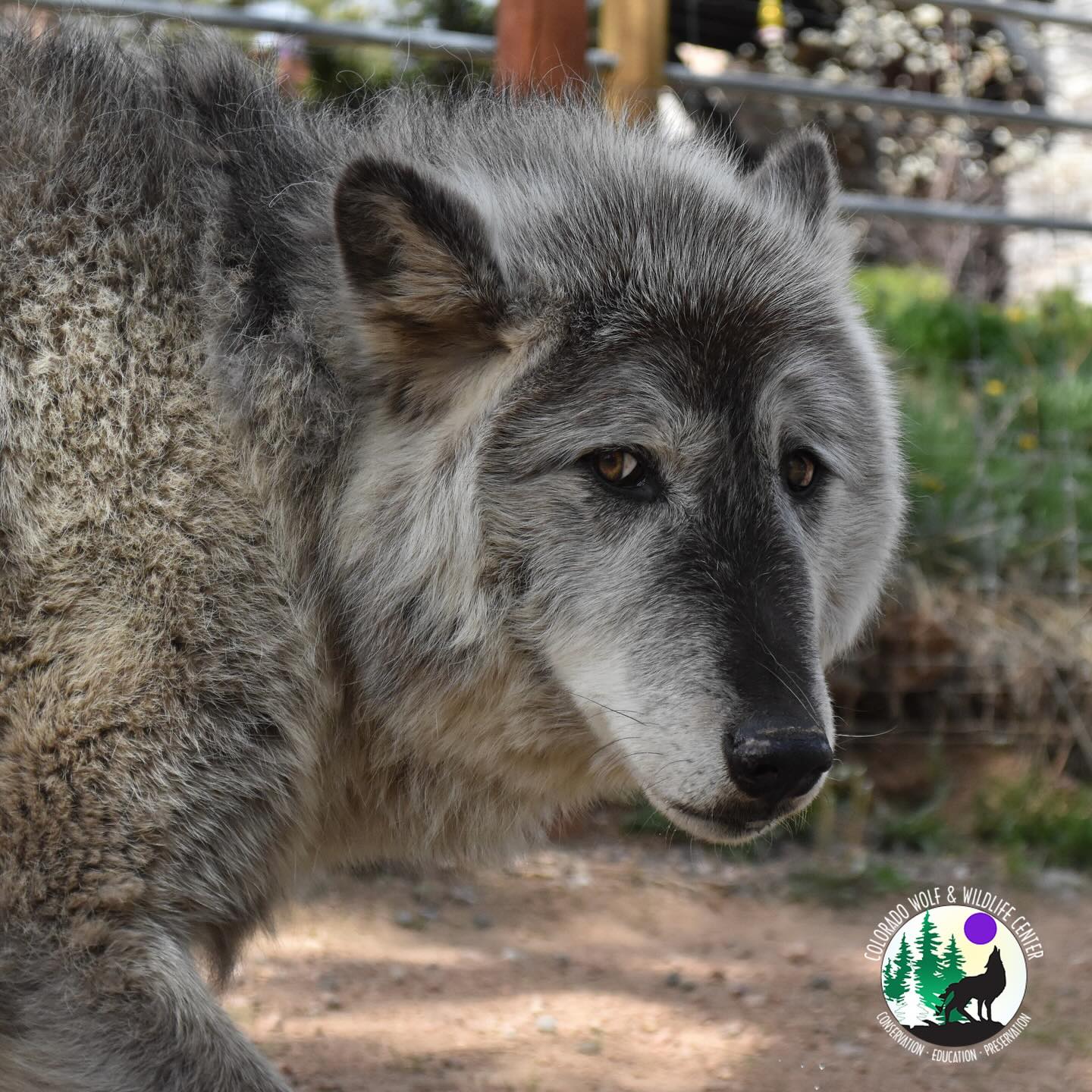
- Exploring the setting and identity of Keyni.
- Understanding the specific attitudes and behaviors of wildlife, particularly wolves.
- Examining the potential distractions or interactions Keyni might be responding to.
- Conservation insights related to wolf behavior and zoo management.
- The broader implications for wildlife conservation and education.
Keyni’s Identity and Environment
Keyni, a captive wolf, resides in a managed zoo habitat. This specific environment plays a crucial role in shaping his behavior and interactions. Zoos today blend educational outreach with conservation efforts, striving to create spaces that mimic natural habitats as closely as possible. Wolf enclosures are designed to stimulate both the intellectual and physical needs of their inhabitants. Environments with diverse terrains, enrichment objects, and compatible pack members are vital for promoting natural behaviors. Keyni’s reaction, whether to a familiar or novel stimulus, reflects his adaptive behaviors within this structured yet dynamic setting.
Wildlife Behavior: Focus on Wolves
Wolves are complex animals with rich social structures and communication methods. Through facial expressions, body language, and vocalizations, they convey a range of emotions and intentions. Keyni’s side-eye could reveal curiosity or irritation. Understanding these subtleties provides insights into lupine social dynamics. The side-eye gesture, in particular, might signify alertness or annoyance. This expression usually implies recognition of an unexpected presence or activity. Wolves, being highly observant, are attuned to their environment, continually assessing and responding to changes. In a zoo, these reactions can occur in response to other animals, visitors, or environmental shifts.
Potential Stimuli for Keyni’s Reaction
Let’s explore the potential sources of Keyni’s side-eye:
A) A bird: Birds often share habitats with larger animals, offering stimuli and distractions. A flock or single bird might capture Keyni’s attention, especially if it intrudes on his territory. The quick movements and calls of birds can attract and hold a wolf’s gaze, setting off a cascade of curiosity or territorial interest.
B) His own fluff: Wolves lose fur naturally through shedding or grooming. If Keyni notices his fur drifting on the wind, it might provoke a contemplative response. Such natural occurrences can intrigue wolves, serving as enrichment through unanticipated environmental interaction.
C) Denali next door: As pack animals, wolves are deeply social. Keyni’s side-eye at Denali, a neighboring wolf, could indicate numerous social interactions—ranging from rivalry to camaraderie. Social dynamics within or between enclosures significantly influence wolves, shaping their daily behavior and long-term well-being.
D) Something else: Zoo environments are vibrant ecosystems with various stimuli. Visitors, zookeepers, or new additions to the habitat might all draw Keyni’s gaze. Any novel object or change in routine can be a source of fascination or vigilance.
Conservation and Zoo Management
Zoo environments serve as platforms for studying and preserving at-risk species like wolves. They contribute to conservation efforts through breeding programs, habitat preservation, and educational endeavors. Observing behaviors like Keyni’s side-eye helps zookeepers and researchers evaluate mental and physical health, informing better management practices. By understanding how animals interact with their environment, zoos can refine enclosures and enrichments, promoting overall welfare.
Globally, wolf populations face challenges from habitat loss and human conflict. Zoos play a pivotal role in conservation, participating in captive breeding programs and supporting rewilding efforts. Awareness raised through zoos enables public engagement in species preservation and habitat conservation, ensuring the future of wolves in the wild.
Engagement with Wildlife Conservation
Studying captive wolves like Keyni reveals much about wild animal behavior and needs. Zoos are spaces for public education, fostering a connection between humans and wildlife that drives conservation actions. Observing reactions, such as Keyni’s side-eye, encourages visitors to consider the complexities of animal thought and emotion, cultivating empathy and understanding.
Wildlife conservation benefits from strong public support and involvement. The insights gained from everyday zoo interactions facilitate broader conservation discourse. Through awareness and education, zoos inspire action, playing a crucial role in safeguarding wildlife ecosystems.
*****
Source Description
Who, or what, is Keyni giving this serious side-eye to?
A) A bird
B) His own fluff that was plucked out by someone and is now blowing in the wind
C) Denali next door
D) Something else
