
- The significance of the cotton-top tamarin birth in wildlife conservation.
- The collaborative efforts between San Antonio Zoo and Methodist Healthcare.
- Understanding the critically endangered status of cotton-top tamarins.
- The role of zoos in species preservation and educational outreach.
- The importance of community engagement in conservation efforts.
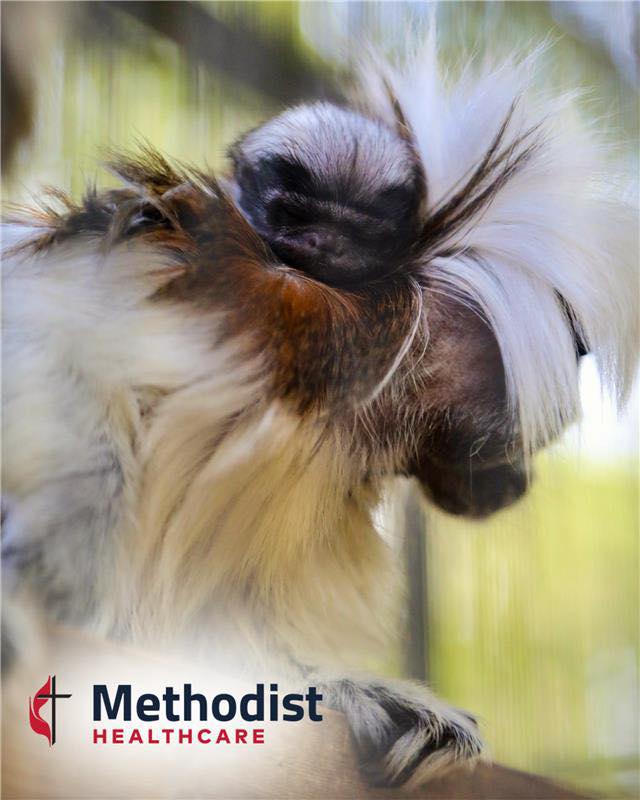
The recent arrival of a baby cotton-top tamarin at San Antonio Zoo marks a pivotal moment in conservation efforts. This adorable infant, born to parents Rosamira and Hemker, is more than just a cute addition to the zoo; it symbolizes hope for the future of its species. The significance of this birth lies deeply in the critically endangered status of cotton-top tamarins, a species that faces severe threats in their native habitat.
Cotton-top tamarins (Saguinus oedipus) are primarily found in the tropical forests of Colombia. Habitat destruction due to deforestation and agricultural expansion poses significant challenges to their survival. With estimates suggesting fewer than 6,000 individuals remain in the wild, every birth in a controlled environment like that of the San Antonio Zoo is crucial. Zoos play a critical role in ensuring genetic diversity within captive populations, which is essential for long-term species viability.
The collaboration between San Antonio Zoo and Methodist Healthcare further enhances the impact of this exciting event. This partnership brings together a shared commitment to community health and wildlife conservation. By focusing on education and awareness, both organizations aim to inspire the public to engage with conservation efforts. Events and activities organized through this partnership offer opportunities for people of all ages to learn more about wildlife conservation and the significance of preserving biodiversity.
The critically endangered status of cotton-top tamarins highlights the urgent need for conservation. Listed as such by the International Union for Conservation of Nature (IUCN), these tamarins are threatened by habitat loss and illegal pet trade. Educational programs at the San Antonio Zoo emphasize the challenges these animals face in the wild and outline specific actions that visitors can take to contribute to conservation.
The role of zoos extends beyond mere display; they serve as vital centers for species preservation. The San Antonio Zoo is particularly invested in breeding programs designed to increase the population of endangered species, including the cotton-top tamarin. These initiatives aim not only to replenish captive populations but also to prepare individuals for potential reintroduction into their natural habitats in the future.
By housing species that are declining in the wild, zoos can conduct necessary research on their health, behavior, and reproduction patterns. This information is invaluable for developing effective conservation strategies. Research conducted in zoos allows scientists to refine breeding techniques, understand social structures, and study the dietary needs of various species. Such knowledge translates directly into efforts aimed at saving species in their natural environments.
Community engagement plays a vital role in these conservation efforts. The participation of local populations in educational programs helps instill a sense of responsibility towards wildlife and the environment. San Antonio Zoo actively seeks to involve the community in initiatives that promote conservation awareness. This involvement starts from an early age, with programs designed to engage children through interactive learning experiences.
Families visiting San Antonio Zoo can attend workshops or educational sessions, offering them a chance to learn firsthand about the conservation challenges various species face. Such experiences reinforce the importance of protecting wildlife and encourage a proactive approach to environmental stewardship. The zoo’s staff members often engage with visitors, sharing insights about the cotton-top tamarin and other endangered species, thus fostering a personal connection to wildlife.
In addition to the educational aspect, the birth of a baby cotton-top tamarin is a reminder of the broader implications of conservation. It invites discussions about biodiversity loss and the interconnectedness of ecosystems. When a species declines, it affects not only other species in the food chain but also the overall health of the ecosystem. Each birth of an endangered species strengthens the genetic pool and increases the odds of survival.
Conservation is a multi-faceted endeavor. It includes habitat preservation, public education, habitat restoration, and legislative advocacy. Organizations like the San Antonio Zoo work tirelessly to ensure that these elements are intertwined in their efforts. They partner with various stakeholders to combat the threats wild species face, especially in areas where they approach extinction.
Visitors to the zoo may also participate in programs such as sponsorship opportunities that directly fund conservation efforts. Contributions from the community play a significant role in sustaining these initiatives, ensuring long-term benefits for species like the cotton-top tamarin. By promoting these sponsorships, San Antonio Zoo emphasizes the profound impact individuals can have on wildlife conservation.
San Antonio Zoo’s commitment to the cotton-top tamarin extends beyond merely breeding them in captivity. Research conducted on these tamarins aids in developing best practices for their care and breeding, which can be shared with other facilities worldwide. The exchange of knowledge between institutions strengthens global conservation efforts.
As the baby cotton-top tamarin grows, it will serve as an ambassador for its species, attracting attention that brings further awareness to conservation issues. This animal’s journey from a fragile newborn to an adult living in an enriched environment highlights the significance of zoological institutions. It reveals what concerted efforts in conservation and education can achieve.
The innovative work conducted at zoos often extends into field conservation projects, aimed at preserving natural habitats. These projects may involve restoring native vegetation, combating poaching, or working with local communities on sustainable practices that protect wildlife while providing for human needs.
The partnership between San Antonio Zoo and Methodist Healthcare enhances these initiatives by focusing on the health aspects of both animals and humans in the context of conservation. Health education and preventive care are vital components that enrich community understanding of the importance of wildlife conservation.
Furthermore, the public health aspect cannot be understated. The more we learn about wildlife health, the better we can prevent zoonotic diseases that may emerge from wildlife interactions. Understanding the ecological balance between wildlife health and human health could lead to sustainable coexistence strategies.
In promoting the story of the baby cotton-top tamarin, San Antonio Zoo emphasizes the need for collective action. The zoo conducts outreach programs that urge community members to take simple actions, such as reducing plastic usage, supporting local conservation initiatives, and spreading awareness about the plight of endangered species.
While the cotton-top tamarin represents one species, its plight mirrors the challenges many other endangered species face. The broader implications of these conservation efforts resonate throughout the globe, highlighting the interconnectedness of ecosystems and human activities. Each event, each birth at a facility like San Antonio Zoo, establishes a thread in the intricate tapestry of wildlife conservation.
As a leader in wildlife conservation and education, San Antonio Zoo exemplifies the profound impact that zoological institutions can have on species survival. The birth of the baby cotton-top tamarin signifies a beacon of hope. It serves as a reminder of the importance of community involvement and collaborative efforts in securing a future for wildlife. The ongoing work of zoos, partnerships like that of Methodist Healthcare, and engagement with the public remain crucial in this collective mission.
Through these combined efforts, the San Antonio Zoo and the community can secure our shared ecological future. Every step taken today can safeguard the well-being of wildlife and promote a healthier planet for generations to come. It is a unified endeavor that calls for dedication, knowledge, and action. The story of the baby cotton-top tamarin serves as an inspiration, motivating all to partake in the quest for conservation and biodiversity.
*****
Source Description
San Antonio Zoo, in partnership with Methodist Healthcare, is excited to present some of the zoo’s newest additions including our most recent new resident – a baby cotton-top tamarin! Look how cute!
Born to parents Rosamira and Hemker, this critically endangered little one is not only adorable, but also a win for its species! While we celebrate all births, some are even more meaningful to securing a future for wildlife due to their conservation status in the wild.
