
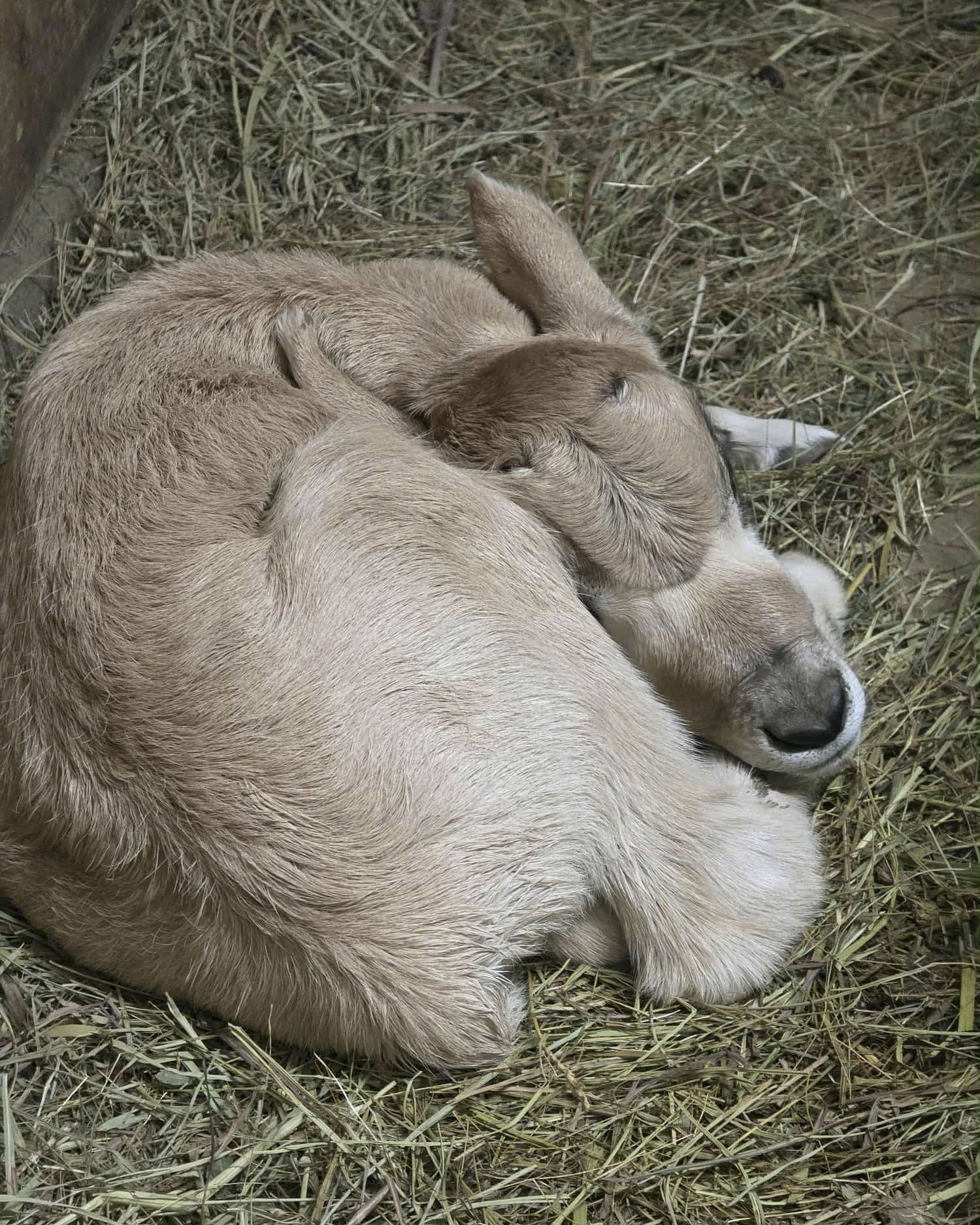
- The significance of the addax in its ecosystem
- Care and development of an addax calf
- Behavior and social structure of addax
- Conservation efforts for addax species
- The importance of zoological institutions in wildlife conservation
The addax, a critically endangered antelope species native to the Sahara Desert, plays a vital role in its ecosystem. This desert-dweller has adapted brilliantly to the harsh conditions of its environment. The addax thrives in an arid habitat, where water is scarce. With their long legs and broad hooves, addax can traverse sandy terrain efficiently, covering large distances in search of food and water. They primarily feed on grasses, leaves, and shrubs, acting as herbivores that contribute to the management of vegetation in their ecosystem. This grazing helps maintain the balance of plant species, preventing overgrowth and ensuring diverse ecological niches.
However, the addax faces numerous threats, most notably habitat loss due to human activities and poaching for bushmeat. The pressure from agriculture, mining, and urban development reduces their natural habitat, making survival increasingly challenging. With the birth of an addax calf just before Thanksgiving, the significance of protection and conservation becomes even more pronounced. This newborn calf symbolizes not only the resilience of the addax but also the urgent need for conservation efforts aimed at preserving their dwindling population.
Care and development of an addax calf is an essential aspect of ensuring survival for this endangered species. Calves are born after a gestation period of approximately five to six months, and within hours, they can stand and walk, showcasing the instinctual behaviors crucial for survival in the wild. Initially, they rely on their mothers for protection and nutrition. High-fat content in maternal milk helps the calf grow rapidly during its first few months of life. This rapid growth is vital as it enhances the calf’s mobility and reduces vulnerability to predators. The care provided by the mother is critical, offering warmth and security. The bond between the mother and calf deepens through physical contact and vocalizations, laying the foundation for social skills the calf will need in its later life.
The social structure of addax herds consists of unique dynamics that contribute to their survival. Typically, herds contain females and their offspring, while males may form bachelor groups or join mother-offspring units during the mating season. Within the herd, communication occurs through a variety of sounds and body language, facilitating group cohesion and alerting members to potential dangers. Observations suggest that addax utilize their keen sense of hearing and eyesight to detect predators, ensuring herd safety through collective vigilance.
The challenges addax face in the wild extend beyond immediate threats; they highlight urgent conservation needs. Conservation efforts for the addax species include habitat restoration, anti-poaching initiatives, and breeding programs in zoological institutions. Habitat restoration focuses on re-establishing native vegetation and resources crucial for the addax’s survival. Anti-poaching efforts involve collaboration with local communities and authorities to establish effective monitoring of these species in their natural environment.
Captive breeding programs in accredited zoos serve as a critical strategy for maintaining genetic diversity and increasing population size. These programs prioritize natural behaviors and habitats, aimed at preparing individuals for potential reintroduction into the wild. These institutions act as custodians of species like the addax, promoting awareness and education to inspire public involvement in conservation efforts.
The importance of zoological institutions extends beyond mere species propagation. They serve as educational platforms, reaching diverse audiences about the plight of species like the addax. Through interactive displays, wildlife encounters, and outreach programs, zoos foster connection and understanding between the public and wildlife. This engagement is essential for building a conservation mindset and encouraging individuals to participate in preservation efforts.
Saturday mornings may be synonymous with slowing down and enjoying cozy moments, but for the addax calf, they symbolize a time of growth and learning. Just as individuals cherish their leisurely weekends, the nurturing environment provided by the mother and the support of zoological institutions enable the addax species to thrive against the odds.
Every new addition to the addax population reminds us of the strength of wildlife and the importance of commitment to their wellbeing. The birth of an addax calf illustrates the need to balance conservation with appreciation of the natural world. Educating ourselves and others about species like the addax cultivates a sense of responsibility, urging society to take action. By sharing knowledge and fostering connection with the animal kingdom, we can make strides toward a future where species like the addax can flourish.
Understanding the lifecycle and behaviors of species is crucial for effective conservation. Biologists study the addax’s reproductive patterns, dietary preferences, and social interactions to identify strategies that maximize their survival chances. The ongoing challenge is to apply this knowledge effectively in conservation planning and execution.
In the face of many complex factors threatening the addax, cooperative efforts involving local communities, governments, and scientific organizations are paramount. Through these collaborations, strategies can be refined based on real-world observations and experiences. The goal is not only to increase population numbers but also to restore a functional ecosystem where the addax can thrive.
Various organizations work diligently to raise awareness and tackle conservation challenges. Fundraising initiatives often support projects focused on anti-poaching activities or habitat restoration. Funds collected often go directly to the ground, financing field operations that are critical for animal populations’ sustainability. This collective investment enables the ongoing study of the behavior and well-being of species like the addax.
Public engagement serves a dual purpose: it educates the community about the ecological importance of species and encourages grassroots support for conservation resources. Combine meaningful storytelling with scientific data, and individuals can easily grasp the significance of the addax both ecologically and culturally. An understanding of the species’ role within its ecosystem can create advocates who are committed to promoting sustainable practices in their communities.
Connecting with local communities is another strategic approach to conservation. Understanding their perspectives and challenges allows for building trust and collaboration. These interactions form a foundation where both conservation goals and community needs can align. In turn, communities become empowered stakeholders, invested in the future of species like the addax.
Raising awareness about the harsh realities faced by critically endangered species enhances urgency and importance. People are often moved by compelling stories, whether through social media campaigns, educational materials, or wildlife presentations. Communicating the resilience of the addax while emphasizing its vulnerabilities can inspire commitment to action.
Efforts to classify and establish protected areas can play a vital role in conserving the addax. Establishing these areas reduces habitat disturbance, providing a sanctuary for endangered species. Protection from agriculture, mining, and other development pressures can significantly improve the success of both wildlife and local ecosystems.
The birth of the addax calf can serve as a beacon of hope for conservationists. It carries the potential to grow into a vital contributor to its species’ survival. Every addax calf represents an opportunity to reinforce conservation action and commitment. Supporting these initiatives enables the creation of programs that invest in future generations of addax, as well as the ecosystems they inhabit.
Efforts made to conserve and protect the addax go beyond the survival of a single species. They reflect broader commitments to biodiversity and sustainability, highlighting the intricate relationships among species within an ecosystem. Preserving the addax and its habitats leads to healthier ecosystems overall, fostering resilience to environmental changes.
Saturday mornings may often be filled with the warmth of leisure, but they also serve as a reminder of the dedication needed to support wildlife, especially when it comes to precious species like the addax. Beyond cozy moments, they symbolize the perseverance required to foster hope for the future of wildlife conservation.
Through collaborative practices, community engagement, and educational outreach, there is immense potential for a brighter future both for the addax and the numerous species relying on similar habitats. The journey continues, driven by the passion for protecting vulnerable wildlife, celebrating their beauty, and ensuring a sustainable coexistence between humanity and nature.
*****
Source Description
Saturday mornings are for snoozing!
Especially if you’re this precious!
The addax calf born a few days before Thanksgiving is doing great and staying warm with mama. Good job little one!
